Cultivating Creativity: Gardening as Art & Self-Expression
By Epic Gardening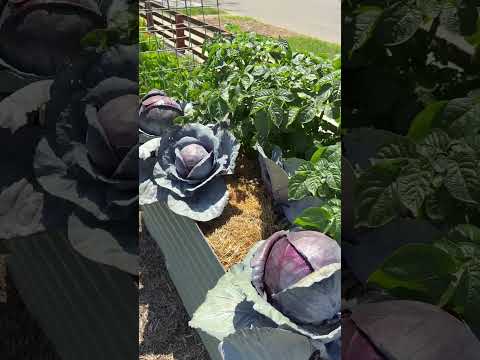
TL;DR: Gardening is a dynamic and personal art form, involving deliberate design and continuous adaptation to create living, evolving masterpieces.
- Gardening mirrors art with deliberate design and aesthetic focus.
- It offers profound self-expression through shaping nature.
- Gardens are living canvases, constantly evolving with seasons.
- Adaptability is crucial as nature continuously transforms the artwork.
- Understanding natural processes deepens the artistic experience.
Why it matters: Viewing gardening as an art form elevates its practice beyond mere cultivation, fostering deeper engagement and creativity in shaping natural spaces.
Do this next: Reflect on how you can incorporate artistic design principles into your current gardening projects.
Recommended for: Gardeners of all levels seeking to enrich their practice with artistic intention and self-expression.
The author of the article views gardening as a deeply personal and fulfilling artistic endeavor, drawing parallels between the creative process in gardening and traditional art forms like painting or sculpture. This perspective emphasizes that gardening transcends mere cultivation; it becomes a medium for self-expression, a way to interact with and shape the natural world according to one's vision.
One of the primary arguments presented is that gardening, much like art, involves a deliberate design process. Gardeners consider elements such as color palettes, textures, forms, and spatial arrangements when planning their landscapes. They envision how different plants will interact, how light will play upon foliage, and how the overall composition will evolve over time. This foresight and intentionality are hallmarks of artistic creation, where the artist conceives a final product and then works to bring it into being. The choice of specific plant varieties, their placement, and the integration of hardscaping elements like paths or water features are all deliberate decisions aimed at achieving a particular aesthetic and functional outcome.
Furthermore, the article highlights the dynamic and evolving nature of gardening as an art form. Unlike a static painting or sculpture, a garden is a living canvas that continuously changes with the seasons, the weather, and the growth of its inhabitants. This constant flux requires gardeners to be adaptable and responsive, much like an artist who might revise a piece as it develops. The gardener observes how their "artwork" is maturing, making adjustments, pruning, and nurturing to guide its development. This ongoing interaction with the living medium fosters a deep connection and understanding of natural processes, adding another layer to the artistic experience. The passage of time is not a limitation but an integral part of the garden's beauty, revealing new forms and colors throughout the year.
The author also touches upon the sensory richness inherent in gardening, which further reinforces its artistic qualities. A garden engages all the senses: the visual beauty of blooming flowers and lush foliage, the fragrant scents of herbs and blossoms, the tactile experience of soil and leaves, the sounds of rustling leaves and buzzing insects, and even the taste of homegrown produce. This multi-sensory engagement elevates gardening beyond a simple hobby, transforming it into an immersive and holistic experience akin to appreciating a complex work of art that appeals to various facets of human perception.
Moreover, the article suggests that gardening offers a unique form of personal satisfaction and a sense of accomplishment. The act of nurturing life, transforming a patch of earth into a vibrant ecosystem, and witnessing the tangible results of one's efforts provides a profound sense of fulfillment. This creative satisfaction is comparable to the joy an artist experiences upon completing a masterpiece. The garden becomes a reflection of the gardener's personality, patience, and dedication, a living testament to their creative spirit.
In essence, the article posits that gardening is a legitimate and profound art form. It involves design, creativity, continuous engagement, sensory appeal, and offers deep personal satisfaction. By framing gardening in this manner, the author encourages readers to view their own gardening endeavors through an artistic lens, appreciating the intricate beauty and creative potential within their own green spaces. It's a call to recognize the artistry in cultivating life and shaping the natural environment.
Source: youtube.com
Related Analysis
- Farmers Convert Six Weeks of Rhubarb Into 25-Year Supply — Initial signals suggest a rhubarb preservation technique can extend a brief seasonal harvest into 25 years of storage—a …
- Compost Builds Soil Microbiomes—But Human Waste Divides Practitioners — A small but consistent set of signals indicates composting's soil benefits are well-documented, while human-waste compos…
Explore more in Food Systems & Growing — the full hub for this knowledge area.