DIY Home Biogas: 700L System for Energy Self-Sufficiency
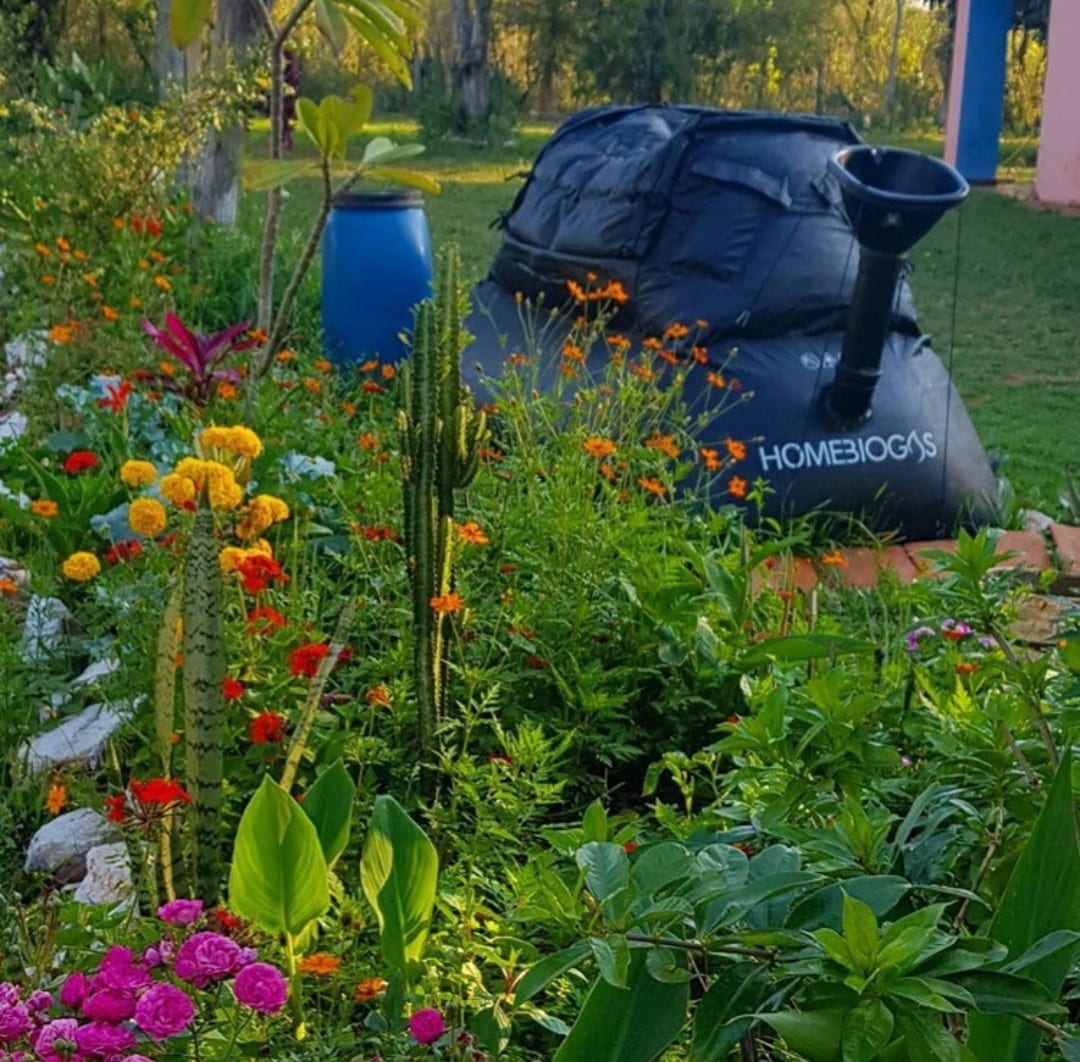
TL;DR: A home biogas system converts organic waste into cooking gas and fertilizer using low-tech components, enhancing household self-sufficiency.
- DIY biogas systems use sealed digesters for anaerobic digestion.
- Feedstock like manure and food scraps produce biogas and digestate.
- Gas recirculation or mechanical stirring prevents stratification.
- Temperature and pH monitoring optimize bacterial activity.
- Digestate provides valuable NPK-rich liquid fertilizer.
Why it matters: Implementing a home biogas system significantly reduces household waste, provides renewable energy for cooking, and produces nutrient-rich fertilizer, thereby decreasing reliance on external resources and closing nutrient loops.
Do this next: Research local regulations and material availability to plan your anaerobic digester size and construction.
Recommended for: Homeowners, small-scale farmers, and permaculture practitioners seeking to integrate waste-to-energy solutions and nutrient cycling into their systems.
HomeBiogas provides a comprehensive DIY blueprint for home biogas systems, emphasizing low-tech components for self-sufficient waste-to-energy conversion in permaculture contexts. Core elements: sealed digester tank (min 700L/185 gallons) of concrete, steel, plastic, or membranes to handle pressure and anaerobicity. Feeding system: 100cm/3ft long, 7.5cm/3in diameter PVC inlet pipe for organic waste. Stirring via gas recirculation, mechanical, or hydraulic mixer to avoid stratification and speed fermentation. Ventilation exhaust prevents H2S buildup. Temperature control with heating if needed for bacterial optima (mesophilic 30-40°C). Monitoring: gas meters, pressure gauges, pH, temp sensors, composition analyzers. Digestate outlet: 60cm/2ft, 7.5cm PVC pipe/valve for fertilizer extraction. Pre-build: select digester type/size based on feedstock (manure, scraps) and use (cooking gas, compost). Assemble per schematic: integrate inlet, outlet, gas line, stirrer, vents. Practical tips: withstand internal pressure with robust materials; oxygen-free via seals. Startup with cow dung slurry for seeding bacteria. Yields 1-2m³ biogas daily from 6-person household waste, plus liquid fertilizer rich in NPK. Low-tech adaptations use PVC, basic valves—hand tools suffice. Beyond components, insights on feedstock ratios (1:1 waste:water), retention time (20-40 days), and troubleshooting (pH 6.8-7.2). Field-tested by company systems worldwide; DIY version empowers off-grid resilience. Integrates with solar/greenhouse for temp stability. Concrete dimensions, materials lists, and assembly logic offer practitioner depth, distinguishing from vague guides. Enhances regenerative cycles: waste to fuel/fertilizer, reducing reliance on external inputs.