Bermuda Grass, Weed Fabric, & Jumping Worms: Your Q&A Guide
By The Permaculture Consultant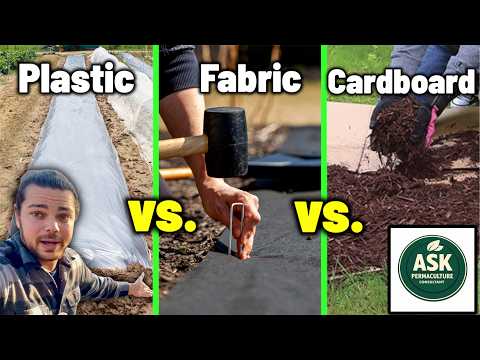
TL;DR: Aggressive Bermuda grass needs a multi-pronged approach like solarization or sheet mulching, while weed fabric is generally not recommended.
- Bermuda grass spreads aggressively via rhizomes and seeds.
- Solarization uses clear plastic to kill grass with heat.
- Sheet mulching smothers grass with organic layers.
- Weed fabric has limited long-term effectiveness.
- Manual removal is crucial for small infestations.
Why it matters: Effective weed management is crucial for successful permaculture, allowing desired plants to thrive without competition for resources.
Do this next: Consider solarization or sheet mulching for persistent Bermuda grass.
Recommended for: Gardeners and permaculturists seeking sustainable strategies for managing aggressive weeds and understanding the implications of common gardening practices.
This article addresses several common challenges and questions encountered in permaculture and gardening, specifically focusing on Bermuda grass management, the use of weed fabric, and the impact of jumping worms.
Regarding Bermuda grass, the article emphasizes its persistent nature and the difficulty of eradication once established. It highlights that Bermuda grass spreads aggressively through both seeds and an extensive network of rhizomes and stolons, making it highly resilient. The recommended approach for managing Bermuda grass involves a multi-pronged strategy. One effective method is solarization, which entails covering the affected area with clear plastic sheeting during hot, sunny periods. This process heats the soil to temperatures lethal to the grass, effectively killing both the surface growth and the underground root systems. For solarization to be successful, it typically requires several weeks of consistent high temperatures and direct sunlight. Another strategy discussed is sheet mulching, which involves layering organic materials like cardboard, compost, and wood chips over the Bermuda grass. This method smothers the grass by blocking sunlight and inhibiting its growth, while simultaneously enriching the soil. While effective, sheet mulching often requires a significant depth of material and can take time to completely suppress the grass. The article also touches upon the importance of consistent vigilance and manual removal for smaller infestations, stressing that any remaining root fragments can lead to regrowth.
The discussion then moves to weed fabric, also known as landscape fabric. The article generally advises against its use in permaculture systems due to several drawbacks. While weed fabric can initially suppress weeds by blocking light, its long-term effectiveness is often limited. Over time, soil and organic matter can accumulate on top of the fabric, providing a medium for new weed seeds to germinate and grow. Furthermore, weed fabric can impede the natural processes of soil building and nutrient cycling. It restricts the movement of beneficial organisms, such as earthworms and fungi, which are crucial for healthy soil structure and fertility. The fabric can also interfere with water infiltration, leading to runoff or uneven moisture distribution. When it degrades, weed fabric can break down into microplastics, contaminating the soil and potentially harming the ecosystem. Instead of weed fabric, the article advocates for organic mulches like wood chips, straw, or leaves. These materials effectively suppress weeds, conserve soil moisture, regulate soil temperature, and, as they decompose, contribute organic matter and nutrients to the soil, fostering a healthier and more productive environment.
Finally, the article addresses the emerging threat of jumping worms, an invasive species that can significantly alter soil ecosystems. Jumping worms, also known as Asian jumping worms or snake worms, are characterized by their vigorous, thrashing movements when disturbed. Unlike native earthworms that create stable burrows and improve soil structure, jumping worms consume organic matter very rapidly, leaving behind a distinctive granular, coffee-ground-like soil texture. This rapid consumption depletes the soil's organic layer, which is vital for plant growth, water retention, and nutrient availability. The article explains that this alteration can lead to soil compaction, increased erosion, and reduced plant vigor, negatively impacting forests, gardens, and agricultural lands. Preventing the spread of jumping worms is crucial, as eradication is extremely difficult once they are established. Recommendations include inspecting new plant purchases, soil, and mulch for the presence of these worms or their cocoons. It is also advised to clean tools and footwear after working in areas where jumping worms might be present to avoid inadvertently transporting them. The article underscores the importance of public awareness and careful gardening practices to mitigate the spread and impact of this invasive species.