Pinto Peanut: The Soil-Feeding Lawn Alternative (Arachis pintoi)
By Discover Permaculture with Geoff Lawton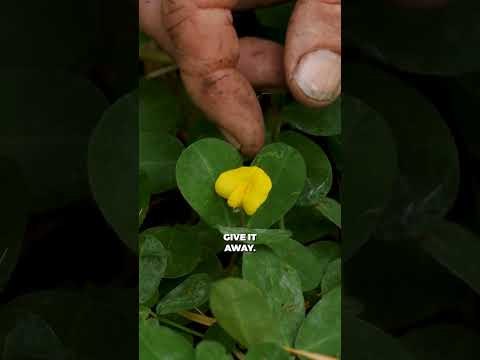
TL;DR: Pinto Peanut offers a sustainable, low-maintenance alternative to traditional lawns, enriching soil and suppressing weeds.
- Pinto Peanut is a perennial nitrogen-fixing legume.
- Enriches soil naturally, reducing fertilizer needs.
- Dense growth suppresses weeds effectively.
- Extensive root system prevents soil erosion.
- Low-maintenance, thriving in diverse conditions.
Why it matters: Adopting Pinto Peanut can significantly reduce reliance on synthetic fertilizers and herbicides, fostering healthier soil ecosystems and promoting sustainable land management.
Do this next: Consider planting Pinto Peanut as a living mulch or lawn alternative in your garden.
Recommended for: Home gardeners, permaculture designers, and land managers seeking sustainable lawn alternatives and soil improvement strategies.
This article discusses the benefits and applications of Pinto Peanut ( *Arachis pintoi*), a groundcover plant that offers many advantages over traditional lawns, particularly in permaculture systems. The plant is highlighted for its ability to mimic the appearance of a well-maintained lawn while simultaneously enriching the soil and providing other ecological services.
Pinto Peanut is a perennial legume, meaning it lives for multiple years and forms a symbiotic relationship with nitrogen-fixing bacteria in its root nodules. This process converts atmospheric nitrogen into a form usable by plants, effectively fertilizing the soil naturally. This eliminates the need for synthetic nitrogen fertilizers, reducing input costs and environmental impact. Unlike conventional lawns that often deplete soil nutrients and require frequent chemical applications, Pinto Peanut actively builds soil fertility.
Beyond nitrogen fixation, Pinto Peanut contributes to soil health in several other ways. Its dense growth habit acts as an excellent living mulch, suppressing weeds by outcompeting them for light and resources. This reduces the need for manual weeding or herbicides. The plant's extensive root system helps to prevent soil erosion, especially on slopes or in areas prone to heavy rainfall, by binding the soil particles together. Furthermore, as the plant sheds leaves and eventually dies back, it adds organic matter to the soil, improving its structure, water retention capacity, and overall microbial activity. This leads to a healthier, more resilient soil ecosystem.
From a practical standpoint, Pinto Peanut is described as a low-maintenance alternative to traditional turfgrass. It generally requires less frequent mowing, and in some applications, may not need mowing at all, depending on the desired aesthetic and function. Its ability to thrive in various soil types and tolerate some shade makes it a versatile option for different landscape designs. It is also noted for its drought tolerance once established, reducing the need for supplemental irrigation compared to many common lawn grasses, which can be a significant advantage in water-scarce regions.
The plant's aesthetic qualities are also mentioned. It produces small, bright yellow flowers, adding a touch of color to the landscape. Its low-growing, spreading habit creates a dense, green carpet that can be walked on, similar to a lawn, making it suitable for pathways, groundcover in orchards, or as an understory plant in food forests. This combination of functionality and visual appeal makes it a strong candidate for permaculture designs where productivity and beauty are both valued.
In summary, Pinto Peanut is presented as a highly beneficial plant for sustainable land management. Its key attributes include natural nitrogen fixation, weed suppression, erosion control, soil organic matter enhancement, low maintenance requirements, drought tolerance, and aesthetic appeal. These characteristics make it a valuable tool for anyone looking to create more resilient, productive, and ecologically sound landscapes, particularly within a permaculture framework.