From Farm Builder to Future: 18 Years, 18 Builds, New Chapter
By Justin Rhodes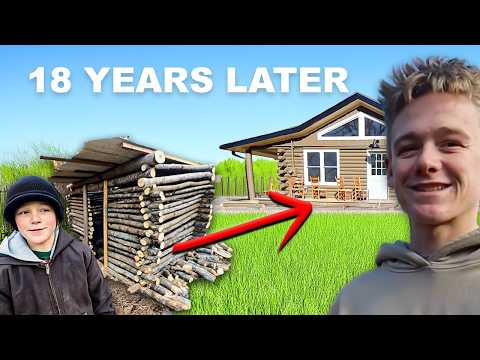
TL;DR: After 18 years building a permaculture farm, a dedicated builder starts his own venture, showcasing long-term skill development and sustainable infrastructure.
- Long-term farm development requires diverse skills.
- Mentorship is crucial for practical permaculture.
- Sustainable building uses natural and recycled materials.
- Transitioning from farm builder to independent farmer is possible.
- Permaculture ethos integrates function with ecology.
Why it matters: This story highlights the dedication and comprehensive skill development necessary for establishing and maintaining sustainable agricultural systems, offering a model for aspiring permaculture practitioners.
Do this next: Explore local permaculture farms for volunteer opportunities to gain hands-on experience.
Recommended for: Aspiring permaculture practitioners, farm builders, and those interested in long-term skill development and sustainable agriculture.
The article chronicles the journey of a young man, referred to as the "farm builder," who dedicated 18 years to constructing the infrastructure of a permaculture farm and is now embarking on his own independent farming venture. His story highlights the dedication, skill, and personal growth involved in developing a sustainable agricultural system.
The narrative begins with the farm builder's arrival at the permaculture farm at a young age, initially as a volunteer seeking to learn about sustainable living and farming practices. Over nearly two decades, he became an integral part of the farm's development, contributing significantly to its physical infrastructure. His responsibilities grew from basic tasks to overseeing and executing complex construction projects. He was instrumental in designing and building various essential components of the farm, including animal housing, irrigation systems, fencing, and even residential structures. His work was characterized by a deep understanding of permaculture principles, ensuring that each build was not only functional but also integrated seamlessly into the farm's ecological design, promoting sustainability and efficiency.
Throughout his tenure, the farm builder demonstrated a remarkable aptitude for practical skills, learning carpentry, plumbing, electrical work, and various other trades through hands-on experience. He developed a keen eye for problem-solving and an innovative approach to utilizing natural and recycled materials, aligning with the permaculture ethos of minimizing waste and maximizing resourcefulness. His contributions were not limited to physical construction; he also played a role in the day-to-day operations of the farm, gaining a comprehensive understanding of animal husbandry, crop cultivation, and overall farm management.
A significant aspect of his journey was the mentorship he received from the farm owner, Justin Rhodes. This mentorship extended beyond technical skills, encompassing philosophical approaches to farming, community building, and personal development. The farm builder's dedication and commitment were evident in the consistent quality and longevity of the structures he created, which have served the farm reliably for many years. His work ethic and willingness to tackle diverse challenges made him an invaluable asset to the farm's growth and success.
After 18 years of dedicated service and learning, the farm builder made the decision to establish his own permaculture farm. This transition represents a natural progression for someone who has acquired such extensive knowledge and practical experience. His new endeavor is a testament to his entrepreneurial spirit and his desire to apply the principles and techniques he mastered to his own land. The article suggests that his new farm will likely incorporate many of the sustainable design elements and efficient systems he helped implement at his previous workplace.
His departure from the original farm is portrayed not as an ending, but as a new beginning, both for him and for the ongoing legacy of permaculture. His story serves as an inspiring example of how long-term dedication to a sustainable lifestyle can lead to personal fulfillment and the creation of new, thriving ecological systems. The skills and knowledge he accumulated over nearly two decades provide a strong foundation for his future success as an independent permaculture farmer, demonstrating the practical application of permaculture education and experience.
Source: youtube.com
Related Analysis
- Farms Build Resilience, Pivot to Regenerative Soil — New initiatives and analysis explicitly frame regenerative agriculture as a direct solution for climate resilience, focu…
- Federal Policy Pivots, Builds Indigenous Agriculture Frameworks — Federal policy trends are integrating Indigenous knowledge with soil science in regenerative agriculture, shifting polic…
Related on PermaNews
- HyCare Digital: Biozidfreie Schädlingskontrolle & Hygiene-Revolution (Article)
- Vermiculture: A Viable Solution for Sustainable Agriculture (Article)
- How We Plant LESS…and Harvest MORE (Video)
- How We Flipped Our High Tunnel to Produce 1000's of Pounds of Food (Video)
- It's Priceless Eating What You Grow. We Grow Food In Containers On The Rocks All Year Round (Video)
- Montana Permaculture: 10,000-Gallon Drought-Proof Cistern Array (Case Study)
Explore more in Food Systems & Growing — the full hub for this knowledge area.