Roger Meyer: Jujube Cultivation & Varieties Explained
By Diego Footer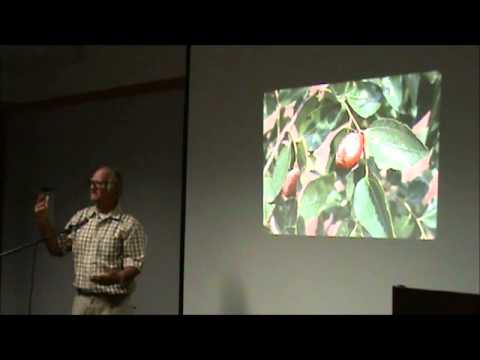
PermaNews Brief
Key Takeaways
Jujube trees offer a resilient and nutritious fruit option, thriving in diverse climates with minimal water once established, and are best propagated through grafting for consistent yield.
- Jujubes are adaptable to various climates, especially arid regions.
- They require well-draining soil and full sun exposure.
- Grafting ensures desired fruit characteristics and vigor.
- Proper pruning enhances tree structure and fruit yield.
- Drought tolerance makes jujubes valuable in water-scarce areas.
Why It Matters
Jujubes present a sustainable and valuable crop alternative, particularly important for food security in changing environmental conditions.
What to Do Next
Explore local nurseries for grafted jujube varieties suitable for your region.
Recommended for: Home gardeners and permaculture enthusiasts interested in cultivating resilient and nutritious fruit trees in challenging environments.
Roger Meyer, a prominent figure in the world of rare fruit cultivation, shared extensive insights into the cultivation and varieties of jujube, a fruit gaining increasing recognition for its resilience and nutritional value. His expertise, honed over decades of practical experience, offers a comprehensive guide for both aspiring and experienced growers.
Jujubes, also known as Chinese dates, are remarkably adaptable trees, thriving in a wide range of climates. They are particularly well-suited to arid and semi-arid regions due to their exceptional drought tolerance once established. This characteristic makes them a valuable crop in areas facing water scarcity. While they can withstand cold temperatures, prolonged periods of extreme cold during the growing season can impact fruit production. They prefer full sun exposure for optimal growth and fruit development.
Soil requirements for jujubes are not overly stringent. They can grow in various soil types, from sandy to clay, as long as there is good drainage. Waterlogged conditions are detrimental to their health. Meyer emphasized the importance of proper site selection, ensuring adequate sunlight and drainage to prevent common issues.
Propagation of jujubes is primarily done through grafting, which ensures the desired characteristics of a specific cultivar are maintained. While they can be grown from seed, the resulting trees may not be true to type and can take longer to bear fruit. Grafting onto rootstock also offers benefits such as increased vigor and disease resistance. Meyer discussed various grafting techniques suitable for jujubes, highlighting the importance of clean cuts and proper cambium alignment for successful unions.
Pruning is an essential aspect of jujube cultivation, influencing both tree structure and fruit yield. Meyer advocated for a balanced approach, focusing on removing dead or diseased branches, improving air circulation within the canopy, and shaping the tree for easier harvesting. He noted that jujubes produce fruit on new growth, so strategic pruning can encourage a continuous supply of fruiting wood.
Pest and disease issues are generally minimal for jujubes, which is another attractive feature for growers seeking low-maintenance crops. However, Meyer did mention a few potential problems, such as certain insect pests that might occasionally target young shoots or ripening fruit. He stressed the importance of regular observation to detect any issues early and implement appropriate organic or conventional control methods if necessary.
Meyer delved into a wide array of jujube varieties, each possessing unique characteristics in terms of fruit size, shape, flavor, texture, and ripening time. He highlighted popular cultivars known for their sweetness and crispness, suitable for fresh eating, as well as varieties better suited for drying or processing. Some varieties are known for their larger fruit size, while others are prized for their prolific bearing. He also discussed the importance of selecting varieties that are well-suited to the local climate and intended use. For instance, some varieties might perform better in cooler climates, while others excel in hotter environments.
The ripening process of jujubes was also a key point of discussion. Meyer explained that jujubes can be harvested at different stages of ripeness, depending on personal preference. When fully ripe, the fruit develops a reddish-brown color and a slightly wrinkled skin, resembling a small date. At this stage, they are at their sweetest and have a chewy texture. Earlier harvests yield a crispier, apple-like texture.
Meyer's insights underscored the jujube's potential as a sustainable and productive fruit tree for various agricultural settings, from home gardens to commercial orchards. Its hardiness, low maintenance requirements, and diverse culinary applications make it a valuable addition to the permaculture landscape. His detailed explanation of cultivation practices and variety selection provides a solid foundation for anyone interested in growing this remarkable fruit.
Source: youtube.com
Related Analysis
- Eastern US Farmers Put Silvopasture Economics to the Test — A small but consistent set of signals indicates eastern US farmers are pressure-testing silvopasture not on ecological g…
- Baltimore Researchers Reject Yield as Urban Farm Success Metric — Several sources suggest urban agriculture is being recast from food supplement to food sovereignty tool, with peer-revie…
Explore more in Food Systems & Growing — the full hub for this knowledge area.