Andrew Millison: Great Green Wall & Global Ecology Restoration
By Nate Hagens (host)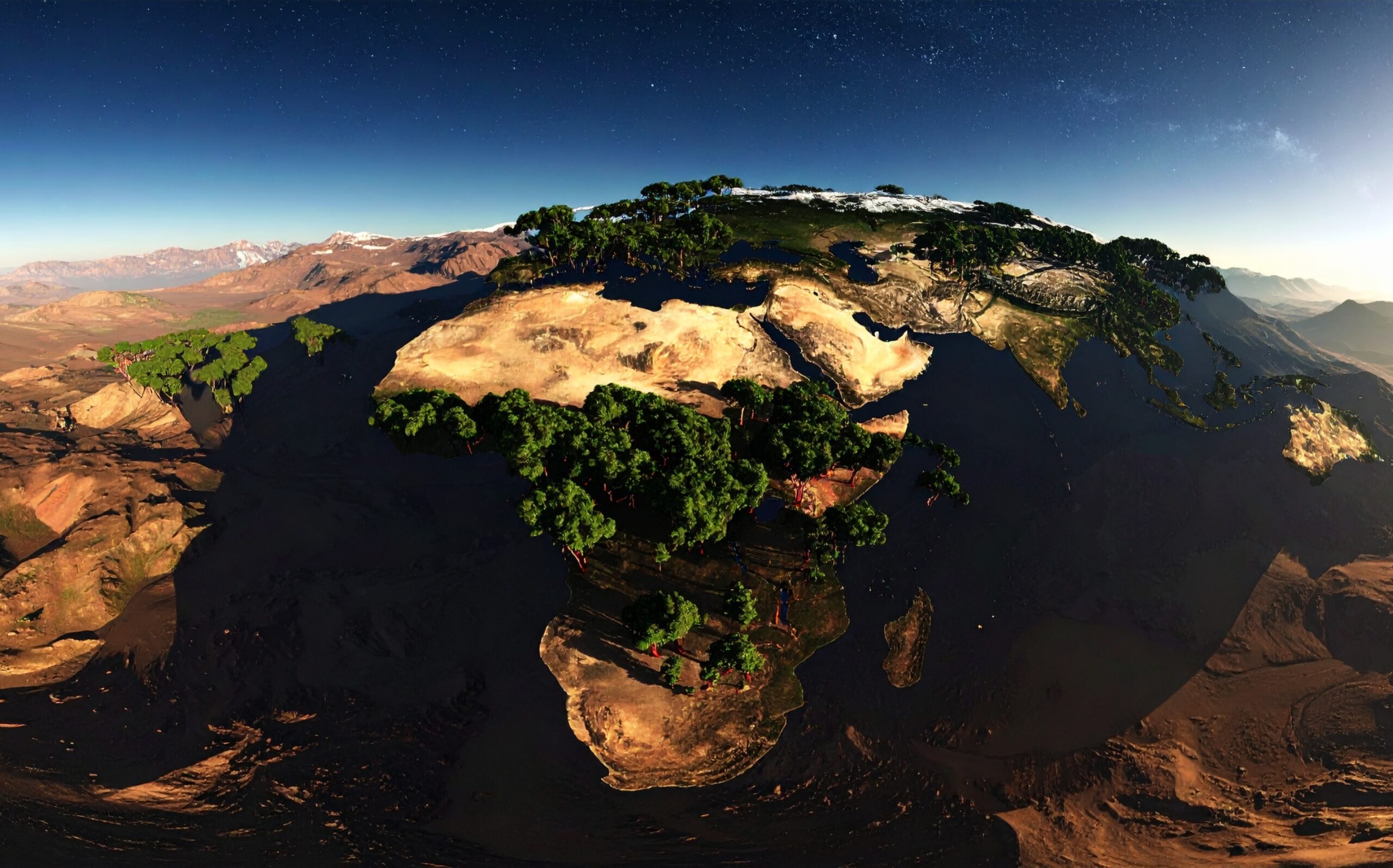
PermaNews Brief
Key Takeaways
Large-scale permaculture design can reverse desertification and ecological decline through regenerative practices, as exemplified by the Great Green Wall.
- Landscape-scale permaculture restores soil, vegetation, and water cycles.
- Strategic tree planting improves local rainfall and microclimates.
- Earthworks and natural regeneration are practical interventions.
- Community involvement is vital for project success and longevity.
- Restored lands boost food security and reduce social conflict.
Why It Matters
Implementing permaculture principles at scale offers tangible solutions for ecological restoration, directly addressing climate change impacts and enhancing community resilience.
What to Do Next
Research local organizations involved in land restoration or permaculture initiatives in your region.
Recommended for: Academics, policymakers, and practitioners focused on large-scale ecological restoration and sustainable land management.
This podcast episode features Andrew Millison in conversation with host Nate Hagens about using permaculture design at landscape scale to address desertification and ecological degradation, focusing on the Great Green Wall initiative in the Sahel and broader land-restoration efforts. The discussion centers on practical, scalable permaculture interventions that rebuild soil health, increase vegetation cover, and re-establish hydrological cycles in regions suffering from erosion and recurrent drought. Millison explains how tree planting, when done with appropriate species selection and spatial design, can alter local rain relationships—improving infiltration, shading soils, and creating microclimates that encourage further vegetative establishment; he connects these processes to permaculture’s emphasis on patterns, guild design, and stacking functions so that each element contributes multiple services such as food, fodder, shade, and erosion control. The episode reviews recent climatic events—referring to unusually high rains in parts of the Sahel in 2024—and how such variability interacts with restoration work, underscoring the need for adaptive, context-sensitive strategies rather than one-size-fits-all approaches. Practical techniques discussed include contour earthworks, assisted natural regeneration, water-harvesting earthworks, and community-led nursery programs that ensure local ownership and maintenance of plantings. The conversation highlights socio-economic benefits: restored landscapes can enhance food security, provide livelihoods, and reduce conflict drivers by improving land productivity. Millison and the host examine challenges—such as securing long-term funding, aligning projects with local governance, and scaling up effective practices—while pointing to successful case examples where integrated design led to measurable ecological improvements. The episode concludes by advocating for knowledge transfer and capacity building, stressing that permaculture training, participatory design, and local stewardship are critical for the Great Green Wall’s success and for replicable, resilient landscape restoration worldwide.
Source: thegreatsimplification.com
Related Analysis
- Bavarian Trial Puts Keyline Water Design to a Real Test — A certified permaculture designer's 2023–2025 field trial applies Keyline plowing to 5ha in Bavaria. Initial signs sugge…
- Projects Pivot to Integrate Rainwater Harvesting with Energy — New evidence indicates a shift toward integrating rainwater cisterns with renewable energy systems in permaculture proje…
Related on PermaNews
- Ernst Götsch's Cacao Syntropy: Master Agroforestry Now (How-To Guide)
- Finnish Off-Grid: Rocket Mass Heater Performance in Greenhouse (Case Study)
- Berlins schwimmende Gärten: Permakultur auf dem Wasser (Case Study)
- Rodale Report 2025: Thermal Mass Boost in Solar Greenhouses (Case Study)
- AUTarcaMatricultura La Palma: Permakultur & Energieautarkie (How-To Guide)
- Earthaven Ecovillage: 30 Years Off-Grid with Hydro & Solar (Video)
Explore more in Water, Climate & Adaptation — the full hub for this knowledge area.