Permaculture Garden 2026: Grow Your Own Veggies!
By Block 929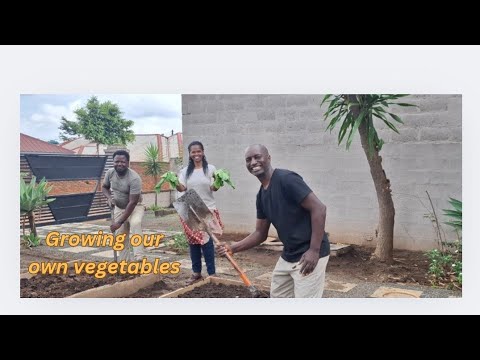
PermaNews Brief
Key Takeaways
Establish a home permaculture garden with raised beds to achieve food self-sufficiency by 2026, focusing on healthy soil and natural systems.
- Prioritize site assessment for sunlight, water, and wind.
- Utilize raised beds for efficient space and soil management.
- Build soil fertility with compost and mulch, avoiding synthetics.
- Select crops suited to local climate for year-round production.
- Implement companion planting and intercropping for pest control and biodiversity.
- Design zones for frequently harvested items near the house.
- Practice water harvesting with swales or rain barrels.
- Address beginner pitfalls like overplanting or ignoring microclimates.
Why It Matters
Adopting permaculture principles in home gardening reduces reliance on external food sources, enhances ecological health, and creates resilient food systems.
What to Do Next
Assess your garden space for sunlight, water access, and wind patterns to inform your permaculture design.
Recommended for: Anyone looking to start a resilient home permaculture garden and reduce their reliance on purchased vegetables.
This YouTube video documents Phase One of establishing a home permaculture garden using raised beds constructed from wooden planks, with the ultimate goal of achieving food self-sufficiency by 2026 through sustainable vegetable production. The content focuses on practical permaculture design principles that emphasize healthy soil development and integration of natural systems to mimic ecosystems, reducing reliance on external inputs like purchased vegetables. Key elements covered include initial planning stages, such as site assessment for sunlight, water access, and wind patterns, which are foundational in permaculture to optimize resource use. Challenges highlighted involve material sourcing for raised beds, soil preparation using compost and mulch to build fertility without synthetic fertilizers, and selecting appropriate vegetable crops suited to the local climate for year-round productivity. Progress updates show the transformation from bare ground to structured beds planted with high-yield varieties like leafy greens, root vegetables, and nitrogen-fixing legumes to enhance soil health naturally. The video stresses permaculture ethics of earth care, people care, and fair share, applying them to home-scale gardening by designing zones where most frequently harvested items are placed closest to the house for efficiency. Viewers gain insights into companion planting to deter pests organically, water harvesting techniques like swales or rain barrels, and biodiversity promotion through intercropping flowers and herbs that attract pollinators. It addresses common beginner pitfalls, such as overplanting or ignoring microclimates, and offers solutions like sheet mulching to suppress weeds and retain moisture. The narrative builds motivation for self-reliance amid rising food costs and supply chain uncertainties, projecting that by fully implementing phases, viewers could eliminate vegetable purchases. Detailed demonstrations include bed construction steps: measuring and cutting planks, assembling frames, filling with layered organic matter for hugelkultur-inspired mounds that decompose over time, providing long-term nutrients. Crop selection prioritizes perennials and successional sowing for continuous harvest, with tips on seed saving to cut costs further. The video's hands-on approach, combined with time-lapse footage of growth, illustrates resilience building against climate variability through diverse plant guilds. Overall, it serves as an inspiring blueprint for urban and suburban homesteaders aiming for abundance in 2026, emphasizing observation, adaptation, and minimal maintenance for thriving ecosystems that produce abundantly while regenerating the land.
Source: youtube.com
Related Analysis
- Compost Researchers Pivot From Soil Mass to Microbial Precision — Several sources suggest compost is being repositioned from a soil amendment to a targeted microbial intervention — with …
- Regenerative Farmers Push Soil Biology Metrics Beyond Yield Data — Several sources suggest regenerative practitioners are moving toward microbial soil metrics as practical management tool…
Explore more in Food Systems & Growing — the full hub for this knowledge area.