Hügelkultur: Raised Beds Thriving Without Irrigation
By paul wheaton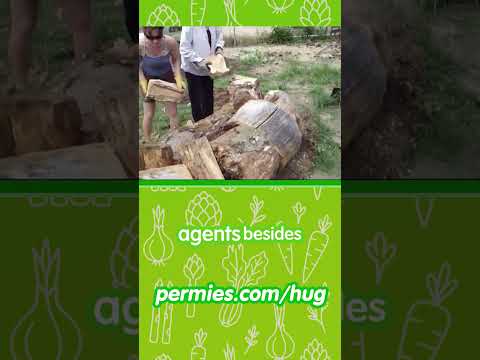
TL;DR: Hügelkultur gardening uses decaying wood in raised beds to create self-sustaining, water-retaining, and nutrient-rich growing environments, ideal for water conservation.
- Hügelkultur uses decaying wood to retain water and nutrients.
- Raised beds with organic layers minimize need for irrigation.
- Decomposition enriches soil, reducing external fertilizer needs.
- Improved soil structure from decaying wood aids root growth.
- The method aligns with permaculture principles for self-sufficient ecosystems.
Why it matters: Hügelkultur offers a sustainable way to grow plants by significantly reducing water consumption and improving soil fertility, addressing critical environmental concerns.
Do this next: Consider building a Hügelkultur bed to conserve water and enrich your garden soil naturally.
Recommended for: Gardeners interested in sustainable practices, water conservation, and natural soil enrichment.
Hügelkultur, a gardening technique that involves creating raised beds from decaying wood and other organic materials, offers a sustainable approach to cultivation, particularly beneficial in environments where water conservation is a priority. This method leverages the natural process of decomposition to create a self-sustaining and fertile growing medium, significantly reducing the need for artificial irrigation.
The core principle of Hügelkultur lies in burying large pieces of wood, such as logs and branches, at the base of a raised bed. As these woody materials decompose, they act like sponges, absorbing and retaining substantial amounts of water. This stored moisture is then slowly released into the surrounding soil, providing a consistent water supply to plants even during dry spells. This natural irrigation system is a key advantage, as it minimizes water runoff and evaporation, making it an efficient water-saving strategy.
Beyond water retention, the decomposition of wood contributes to soil fertility in several ways. As microorganisms break down the organic matter, they release a steady stream of nutrients into the soil, enriching it over time. This continuous nutrient supply reduces the need for external fertilizers, aligning with permaculture principles of creating self-sufficient ecosystems. The decaying wood also improves soil structure, increasing aeration and drainage, which are crucial for healthy root development. The raised nature of the beds further enhances drainage, preventing waterlogging and promoting a more favorable environment for plant growth.
The construction of a Hügelkultur bed typically involves layering various organic materials. After placing the logs and branches at the bottom, smaller woody debris, leaves, grass clippings, and compost are added in successive layers. This stratification creates a diverse and nutrient-rich environment that supports a wide range of beneficial soil organisms. The decomposition process generates a small amount of heat, which can slightly extend the growing season, particularly in cooler climates.
One of the long-term benefits of Hügelkultur is its ability to create a thriving soil food web. The diverse organic matter attracts and supports a multitude of earthworms, fungi, bacteria, and other microorganisms that are essential for healthy soil. These organisms break down organic matter, cycle nutrients, and improve soil structure, contributing to the overall resilience and productivity of the garden. Over several years, as the wood continues to decompose, the bed gradually settles and transforms into a rich, dark, and highly fertile soil.
Hügelkultur beds can be designed in various shapes and sizes to suit different gardening needs and available space. Their raised structure also offers ergonomic benefits, reducing the need for bending and kneeling, which can be particularly advantageous for gardeners with physical limitations. The initial effort of constructing a Hügelkultur bed is often offset by the reduced maintenance requirements in subsequent years, as the bed becomes increasingly self-sufficient in terms of water and nutrient provision.
In summary, Hügelkultur presents a highly effective and sustainable method for gardening, particularly in contexts where water conservation and soil enrichment are paramount. By harnessing the natural processes of decomposition and water retention, these raised beds offer a resilient and productive growing environment that minimizes external inputs and fosters a healthy, thriving ecosystem.