Permaculture Irrigation: Water System Design & Strategy
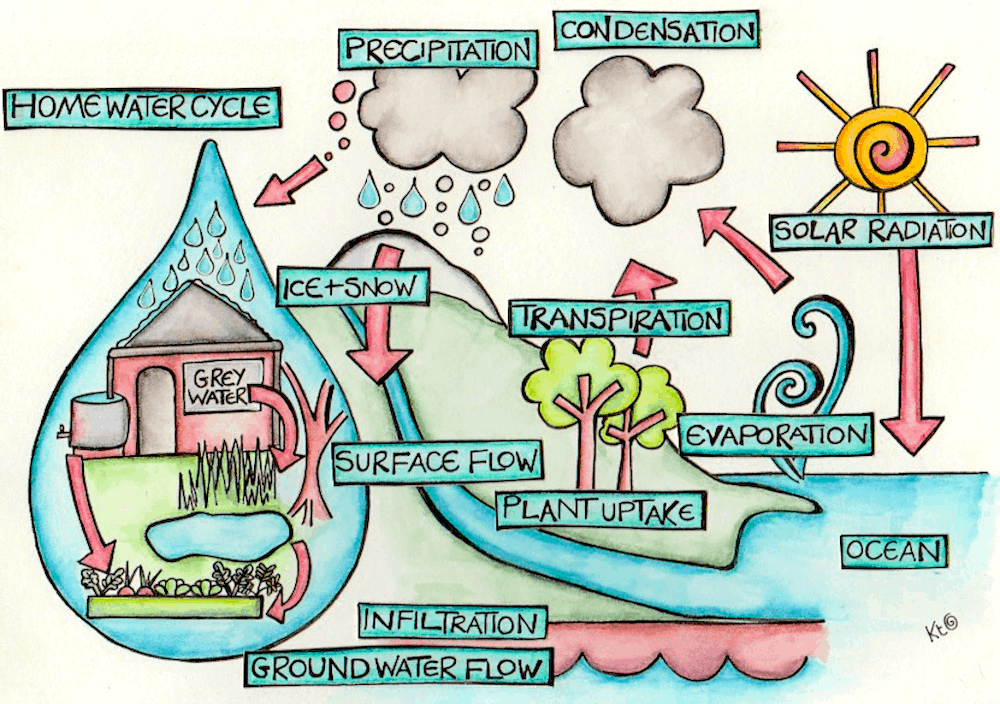
TL;DR: Implement permaculture water systems to create resilient landscapes that thrive with minimal external water input by integrating passive and active harvesting techniques.
- Integrate water systems across your site for maximum efficiency.
- Utilize zoning for effective water distribution.
- Harvest water passively with earthworks like swales.
- Collect water actively in ponds and storage tanks.
- Mulch extensively to retain soil moisture.
- Design closed-loop systems using greywater and runoff.
Why it matters: Effective water management is crucial for permaculture, ensuring plant health, biodiversity, and ecosystem resilience, especially in changing climates.
Do this next: Start by observing your site's natural water flow and identifying areas for passive harvesting using simple earthworks like small swales or terraces.
Recommended for: Homeowners, gardeners, and land managers interested in implementing sustainable water management practices adapted to diverse environments.
This article explores core permaculture strategies for harnessing water power through sustainable irrigation systems. It delves into fundamental designer techniques for connecting with natural water flows, emphasizing integration across sites. Key elements include zoning for efficient distribution, passive harvesting via earthworks, and active collection in storages. Discussions cover swales, keylines, ponds, and mulching to minimize waste and maximize retention. The focus is on creating closed-loop systems where greywater and runoff fuel growth without external dependencies. Practical insights aid in scaling from small gardens to large properties, promoting biodiversity and yield optimization. It positions water as a central permaculture element, with designs that evolve landscapes into thriving ecosystems.