24-Hour Fruit Tree Farm Fix: A Permaculture Challenge
By Justin Rhodes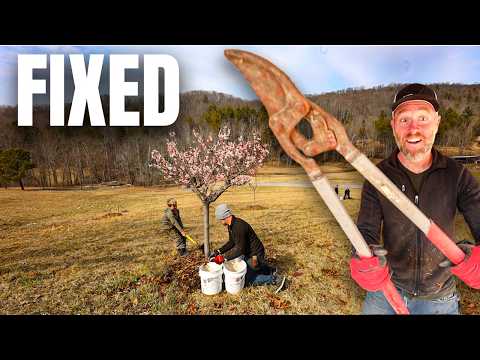
TL;DR: A farming family tackles extensive fruit tree restoration in 24 hours, focusing on pruning, organic pest control, and soil health to boost productivity and tree vitality.
- Intensive 24-hour fruit tree care significantly improves tree health.
- Pruning enhances air circulation and sunlight for better growth.
- Organic pest control targets overwintering insects and fungal issues.
- Soil health is crucial for long-term fruit tree productivity.
- Comprehensive care can rejuvenate neglected fruit trees quickly.
Why it matters: Neglected fruit trees can be revived with concentrated effort, leading to improved yields and a more resilient permaculture system, reducing reliance on external inputs.
Do this next: Watch the video to see the specific techniques and organic solutions applied during the 24-hour fruit tree care marathon.
Recommended for: Home orchardists and permaculture practitioners looking for practical methods to rejuvenate fruit trees and enhance their farm's productivity.
The article details an ambitious project undertaken by a farming family to address the health and productivity of all their fruit trees within a single day. The farm, which had been established for some time, featured a variety of fruit trees, including apples, peaches, plums, and cherries, many of which were showing signs of neglect or suboptimal growth. The family recognized that while they had focused on other aspects of their permaculture system, the fruit trees had not received consistent, dedicated attention, leading to issues like disease, pest infestations, and poor fruit production.
The primary goal of this intensive 24-hour effort was to implement a comprehensive care regimen across all trees. This involved several key steps. First, a significant amount of time was dedicated to pruning. The family aimed to remove dead, diseased, or crossing branches to improve air circulation, sunlight penetration, and overall tree structure. This was particularly crucial for older trees that had become overgrown and were struggling with fungal issues. They employed various pruning techniques, including thinning cuts and heading cuts, tailored to the specific needs and growth habits of each tree species.
Following pruning, the next major task was to address pest and disease control. The family opted for organic and permaculture-aligned solutions. This included applying dormant oil sprays to smother overwintering insect eggs and fungal spores, especially on apple and peach trees known to be susceptible to certain pests. They also utilized homemade concoctions, such as neem oil solutions, for targeted applications on trees showing active signs of infestation. For trees with visible cankers or other fungal infections, they carefully scraped away affected tissue and applied natural sealants to prevent further spread.
Soil health was another critical component of their one-day intervention. The family understood that healthy soil is fundamental to healthy trees. They focused on enriching the soil around the base of each tree. This involved applying a generous layer of compost, which provides essential nutrients and improves soil structure. They also incorporated wood chips as mulch. This mulching served multiple purposes: it helped retain soil moisture, suppressed weed growth that would compete for resources, and slowly broke down to further enrich the soil over time. For some trees, they also added specific mineral amendments based on their observations of nutrient deficiencies.
The article also highlighted the logistical challenges of such an undertaking. The family had to organize their tools, materials, and labor efficiently to cover all the trees within the tight timeframe. This involved dividing tasks among family members, ensuring everyone understood their roles, and having all necessary supplies readily accessible. Despite the demanding nature of the work, the family maintained a positive attitude, viewing it as a significant investment in the long-term health and productivity of their orchard.
In conclusion, the 24-hour fruit tree overhaul was a testament to the family's commitment to their permaculture principles. It demonstrated a proactive approach to orchard management, addressing years of accumulated neglect in a concentrated burst of effort. The comprehensive strategy, encompassing pruning, organic pest and disease management, and soil enrichment, aimed to revitalize the entire fruit tree population, setting the stage for improved health, vigor, and fruit yields in subsequent seasons. The experience underscored the importance of consistent care and the potential for significant positive impact through dedicated, focused work.