Expert Fruit Tree Pruning with Tom del Hotal
By Diego Footer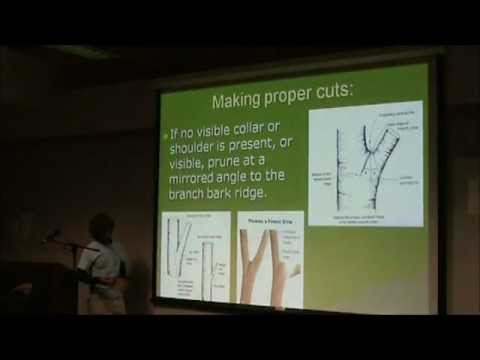
TL;DR: Mastering fruit tree pruning involves understanding a tree's natural growth patterns to enhance health, maximize fruit, and ensure longevity.
- Pruning maintains tree health and maximizes fruit production.
- Understand tree architecture before pruning.
- Pruning enhances natural growth and open structure.
- Dormant pruning shapes and removes diseased wood.
- Summer pruning manages vigor and improves fruit quality.
Why it matters: Effective pruning directly impacts the yield and lifespan of fruit trees, contributing to sustainable orchard management and bountiful harvests.
Do this next: Learn the specific growth habits of your fruit trees.
Recommended for: Orchard managers and home gardeners seeking to optimize fruit tree health and yield.
Tom del Hotal, a seasoned expert in fruit tree management, offers valuable insights into the art and science of pruning, emphasizing its crucial role in maintaining tree health, maximizing fruit production, and ensuring the longevity of an orchard. His approach is rooted in understanding the tree's natural growth patterns and responding to its specific needs, rather than adhering to rigid, one-size-fits-all rules.
One of the foundational principles del Hotal highlights is the importance of understanding the tree's architecture. He explains that each species has a characteristic growth habit, and successful pruning works with, rather than against, this natural form. For instance, some trees naturally grow upright, while others spread horizontally. Pruning should aim to enhance these natural tendencies, creating a strong, open structure that allows for good air circulation and sunlight penetration. This open structure is vital for preventing fungal diseases, which thrive in damp, shaded conditions, and for ensuring that all parts of the tree receive adequate light for fruit development.
Del Hotal stresses that pruning is not merely about removing branches; it's about making deliberate choices that influence the tree's future growth and productivity. He categorizes pruning into several key types, each serving a distinct purpose. Dormant pruning, typically performed in late winter or early spring before bud break, is primarily for shaping the tree, removing dead or diseased wood, and encouraging new growth in desired directions. This is also the ideal time to address structural issues, such as crossing branches or weak crotches, which can lead to breakage under the weight of fruit or strong winds.
Summer pruning, on the other hand, is generally lighter and focuses on managing vigor and improving fruit quality. This might involve removing water sprouts (vigorous, upright shoots that don't produce fruit) or thinning out excessive foliage to allow more sunlight to reach developing fruit. Del Hotal cautions against excessive summer pruning, as it can stress the tree and reduce its ability to photosynthesize effectively. He emphasizes that the timing of pruning is critical, as different times of the year elicit different responses from the tree.
A significant aspect of del Hotal's philosophy is the concept of "training" young trees. He explains that early pruning decisions have a profound impact on the tree's long-term structure and productivity. By carefully selecting and encouraging scaffold branches (the main structural branches of the tree) in the first few years, growers can establish a strong framework that will support heavy fruit loads for decades. He advocates for a gradual approach, avoiding the removal of too much wood at once, which can shock the tree and trigger an undesirable flush of vigorous, unproductive growth.
Del Hotal also delves into the practical techniques of making proper cuts. He emphasizes the importance of clean cuts made at the correct angle and location to promote rapid healing and prevent disease entry. He discusses the "branch collar," a swollen area at the base of a branch, and explains that cuts should be made just outside this collar, as it contains specialized cells that facilitate wound closure. Improper cuts, such as flush cuts or stub cuts, can leave the tree vulnerable to pests and diseases.
Beyond the technical aspects, del Hotal conveys a deeper understanding of the tree as a living system. He encourages growers to observe their trees closely, learning to read their signals and respond accordingly. He notes that a healthy tree will exhibit balanced growth, with a good ratio of vegetative growth to fruit production. If a tree is producing too much wood and not enough fruit, or vice versa, pruning can be used to rebalance its energy allocation.
In essence, Tom del Hotal's teachings on fruit tree pruning are a holistic guide, moving beyond mere technique to encompass a deep respect for the tree's biology and an understanding of its long-term needs. His insights empower growers to cultivate healthy, productive, and resilient fruit trees, contributing to a more sustainable and fruitful orchard ecosystem.