Nonprofit Teaches Seed Saving To Restore Farmers' Food Sovereignty
PermaNews Brief
Key Takeaways
A nonprofit empowers farmers through seed-saving education, reclaiming food sovereignty in the Philippines.
- Focus on cultural autonomy over mere food security
- Seed saving enhances resilience against external inputs
- Educational support preserves indigenous agricultural practices
- Community engagement fosters local knowledge retention
- Long-term benefits from adapted crop varieties
Why It Matters
This initiative illustrates the importance of localized seed-saving practices for food sovereignty, improving ecological resilience and community autonomy.
What to Do Next
Explore local seed-saving groups to join or support.
Permaculture Context
For permaculture designers and regenerative practitioners, the Global Seed Savers model offers something more instructive than inspiration — it offers a replicable framework. The distinction the organization draws between sovereignty and food security is one that every serious practitioner should internalize, because it reframes seed saving from a survival tactic into an act of design intelligence. When you save seeds from your strongest plants across multiple seasons, you are not simply cutting costs or hedging against supply chain disruption; you are co-designing with your specific ecology, selecting for traits that no commercial breeder is optimizing for your microclimate, your soil chemistry, your rainfall patterns. This is adaptive plant breeding at the community scale, and it compounds over time in ways that purchased inputs never can. The practical implication is straightforward: if you are serious about building genuine resilience, seed saving needs to move from an occasional practice to a core system — documented, shared with neighbors, and treated with the same rigor you would bring to water harvesting or soil building. Sovereignty, as this work reminds us, is something you grow deliberately.
Recommended for: Practitioners interested in sustainable agriculture and food sovereignty.
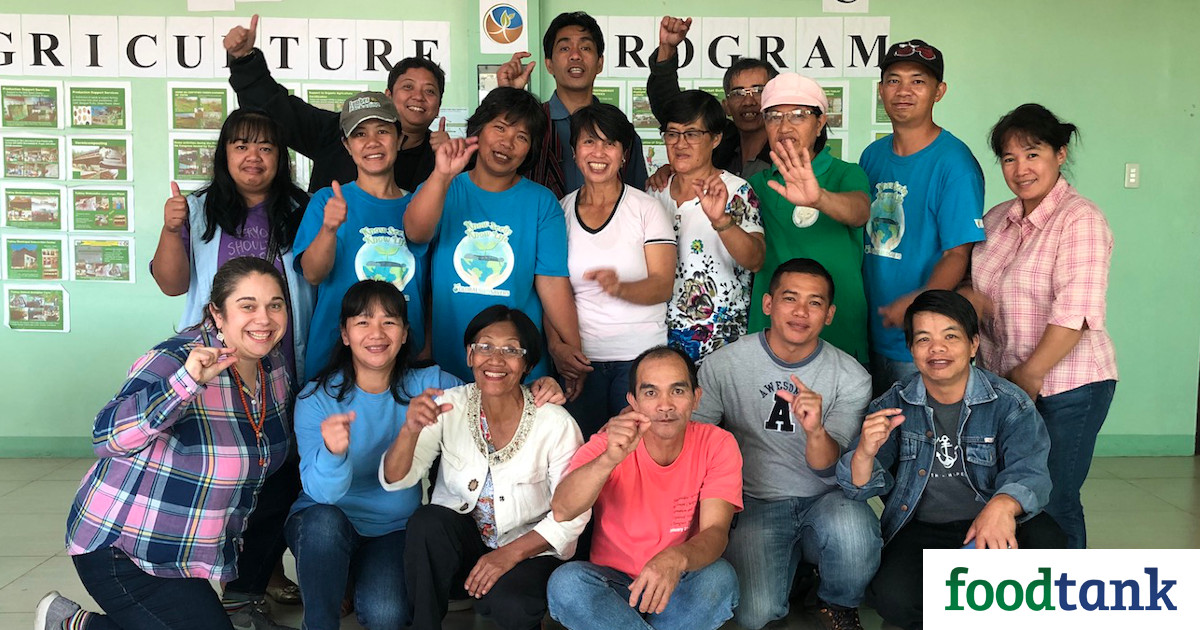
This Food Tank report focuses on a concrete example of seed-saving education being used to restore farmers’ food sovereignty. It profiles Global Seed Savers, a nonprofit working with smallholder farmers in the Philippines, and explains that the organization provides farmers with resources and education to preserve the indigenous practice of seed saving. The article is particularly useful because it ties a traditional agricultural practice to a real-world sovereignty program rather than treating seed saving as an abstract sustainability concept. It states that by saving seeds from the best crops season after season, farmers can build a diverse seed supply adapted to local environmental conditions, which is a practical mechanism for improving resilience and reducing dependence on outside inputs. A notable detail is the explicit statement from the founder that the organization focuses on “sovereignty, not simply food security,” which clarifies the project’s goals and distinguishes cultural and decision-making autonomy from narrow yield-based interventions. The piece is relevant to practitioners interested in regenerative living, community seed systems, and self-sufficiency because it shows how educational support and on-the-ground farmer engagement can preserve seed traditions while supporting adaptation to local conditions. It also demonstrates a case-study model: nonprofit facilitation, local farmer participation, and the long-term accumulation of adapted crop genetics. Although the snippet is limited, the article appears to go beyond generic seed-saving advice by showing how institutional support can help communities retain indigenous knowledge and strengthen food sovereignty in practice. Readers seeking examples of implementation in a development or agroecology context would likely find this article more concrete than a general explainer, especially because it links seed saving to a specific geography, a specific organization, and a specific social objective.
Source: foodtank.com
Related Analysis
- Global Water Bankruptcy Forces Agricultural Adaptation — UN report reveals water bankruptcy across surface waters, glaciers, and groundwater, forcing immediate agricultural adap…
Related on PermaNews
- Federal Policy Shift: Native Regenerative Ag for Soil & Carbon (Article)
- Navigating Global Water Bankruptcy: A UN Call for Agricultural Change (Article)
- Traditional Seed Saving: Crop Diversity & Resilience Secrets (How-To Guide)
- Milkwood: Build a Seed Bank – Save Tomato & Cucumber Seeds (Video)
- Seed Saving Mastery: Permaculture's Genetic Diversity Key (How-To Guide)
- Seed Saving: A Revolutionary Act for Biodiversity & Food (Article)
Explore more in Food Systems & Growing — the full hub for this knowledge area.