Bridging Soil & Human Health: 10 Key Connections
By Rodale Institute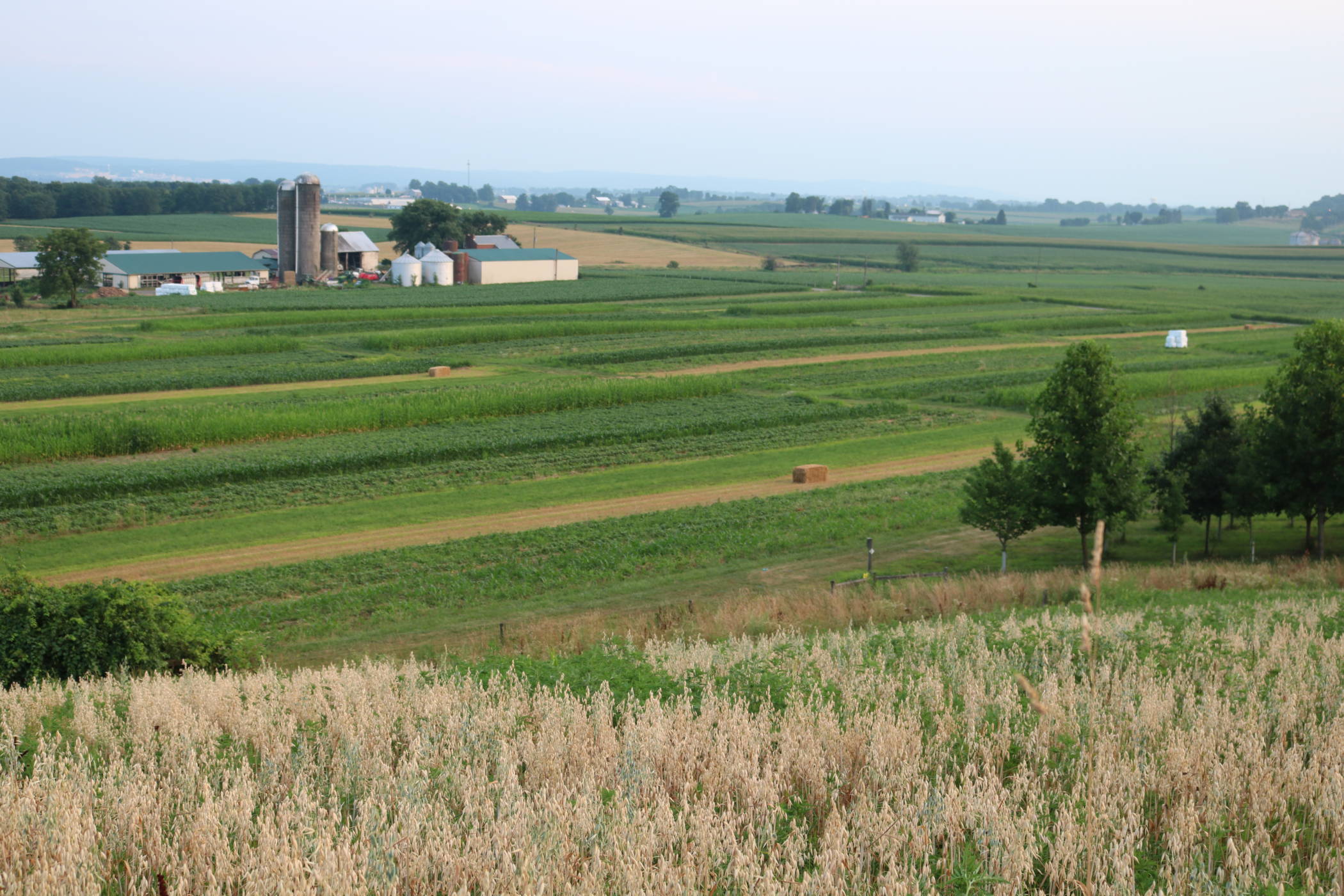
PermaNews Brief
Key Takeaways
Global experts champion integrated research and communication to connect soil and human health for a sustainable future.
- Long-term studies needed for soil-human health links.
- Regional research sites capture diverse soil impacts.
- Dedicated center for soil, food, and health interactions.
- Synthesize existing data across disciplines.
- Foster interdisciplinary cooperation for holistic understanding.
Why It Matters
Understanding the intricate links between soil health, food systems, and human well-being is vital for developing sustainable agricultural practices and promoting public health.
What to Do Next
Explore local initiatives connecting farming practices to community health outcomes or advocate for more integrated agricultural research.
Recommended for: Researchers, policymakers, and advocates interested in the foundational science linking agriculture and human well-being.
This article synthesizes recommendations from the Soil Health Institute's 2018 Conference on Connections Between Soil Health and Human Health, where researchers and subject experts from around the world identified priorities for advancing understanding of soil-human health linkages. The recommendations include utilizing long-term agricultural studies to track soil health outcomes, developing research sites across varied geographical areas to capture regional variation, and establishing a dedicated center focused on interactions between soil health, food systems, and human health. Increased communication to stakeholders at regional and global scales was identified as essential, requiring integration of existing data across disciplines into comprehensive summaries. Cooperation among research fields was prioritized, with specific focus on identifying fields affecting human health including soil microbiome composition, nutrient density of food crops, and human-soil interactions affecting community wellbeing. Rodale Institute pioneered long-term agricultural research through its Farming Systems Trial, which has collected comparative data on conventional and organic grain production for nearly 40 years across varied weather events and environmental conditions, tracking impacts on soil health. The Vegetable Systems Trial has been monitoring nutrient density data of conventional and organic produce and is designed to run for over 20 years, providing insights into long-term connections between soil health and human nutrition. These longitudinal studies provide the temporal depth necessary to understand how soil management practices—including composting, cover cropping, and reduced tillage—affect not only soil properties but ultimately human health outcomes through food nutrient density and system resilience.
Source: rodaleinstitute.org
Related Analysis
- Global Water Bankruptcy Forces Agricultural Adaptation — UN report reveals water bankruptcy across surface waters, glaciers, and groundwater, forcing immediate agricultural adap…
- High-Salt Fertilizers Block Soil Microbes, Kempf Says — High-salt fertilizers disrupt soil microbes and microbial colonization, trapping farmers in chemical dependency. Biologi…
- Fertilizer Shortage Forces Reckoning on Nitrogen Sources — Fertilizer supply crisis drives farms toward nitrogen-fixing cover crops, compost, and legume rotations as alternatives.
Related on PermaNews
- Ernst Götsch's Cacao Syntropy: Master Agroforestry Now (How-To Guide)
- Designing Regenerative Resilience: Participatory Living Labs (How-To Guide)
- Lo—TEK: Indigenous Tech for Climate Solutions (Article)
- Nakivale's Regenerative Toilets: Refugee Resilience, Circular Sanitation (Case Study)
- Pippin Home Designs: Regenerative Home Design Explained (How-To Guide)
- Federal Policy Shift: Native Regenerative Ag for Soil & Carbon (Article)
Explore more in Food Systems & Growing — the full hub for this knowledge area.