Rehydrating Dry Compost: Is It Still Viable?
By Matt Powers - Regenerative Soil & Permaculture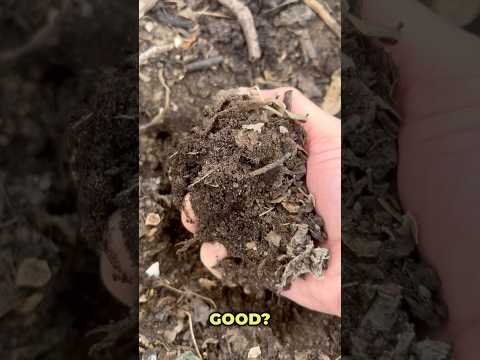
TL;DR: Dried-out compost piles are often salvageable through rehydration, as microorganisms can become dormant and reactivate.
- Dry compost isn't dead; microbes go dormant.
- Moisture is crucial for microbial activity.
- Insufficient water, heat, and sun cause drying.
- Rehydrate thoroughly, not just the surface.
- Turning while watering helps deep penetration.
Why it matters: Understanding compost rehydration prevents discarding viable material, saving effort and resources for gardeners and farmers.
Do this next: Watch the full video to see detailed rehydration techniques.
Recommended for: Home gardeners and compost enthusiasts looking to troubleshoot and optimize their composting process.
A common question in composting circles revolves around whether a compost pile that has dried out significantly is still viable for use. The general consensus among experienced composters is that a dried-out compost pile is not necessarily ruined and can often be rehydrated and brought back to an active state. The key factor is understanding what causes a compost pile to dry out and how to effectively address it.
Compost piles require a certain level of moisture to facilitate the decomposition process. Microorganisms, such as bacteria and fungi, which are responsible for breaking down organic matter, thrive in a moist environment. When a compost pile dries out, the activity of these microorganisms slows down considerably, or even halts entirely. This doesn't mean they are all dead; many can enter a dormant state and reactivate once favorable conditions return.
The primary reason for a compost pile drying out is insufficient moisture. This can happen due to a lack of rainfall, excessive heat and sun exposure, or simply not adding enough water during the initial setup or subsequent turning. A compost pile that is too open and exposed to the elements will lose moisture more rapidly than one that is covered or in a shadier location. The type of materials in the compost also plays a role; a pile with a high proportion of dry, woody materials will tend to dry out faster than one with more green, succulent matter.
To revive a dried-out compost pile, the most crucial step is rehydration. This involves thoroughly wetting the pile. It's not enough to just spray the surface; the water needs to penetrate deep into the core of the pile. This can be achieved by slowly adding water while turning the pile, ensuring that all layers get moistened. Some composters recommend creating a depression in the center of the pile and slowly filling it with water, allowing it to seep in. Another effective method is to use a pitchfork or aerator to create channels for water to penetrate. The goal is to achieve a moisture level similar to a wrung-out sponge – damp but not waterlogged.
Once rehydrated, the compost pile may take some time to become active again. The dormant microorganisms need time to wake up and resume their work. Turning the pile regularly after rehydration can help to aerate it and distribute moisture and microorganisms evenly, accelerating the decomposition process. Adding a fresh layer of "green" materials, such as kitchen scraps or fresh grass clippings, can also provide a boost of nitrogen and moisture, further stimulating microbial activity.
It's important to note that while a dried-out compost pile can be revived, it's generally more efficient to maintain consistent moisture levels from the outset. Regular monitoring of the pile's moisture content and adjusting watering as needed can prevent it from drying out in the first place. Covering the pile with a tarp or a layer of finished compost can also help retain moisture and regulate temperature.
In conclusion, a dried-out compost pile is not a lost cause. With proper rehydration and a little patience, the microbial activity can be restored, allowing the decomposition process to continue. The key is understanding the importance of moisture for microbial life and taking proactive steps to maintain optimal conditions within the compost pile.