Bali's Secret Food Forest: Abundance Masterclass
By Huw Richards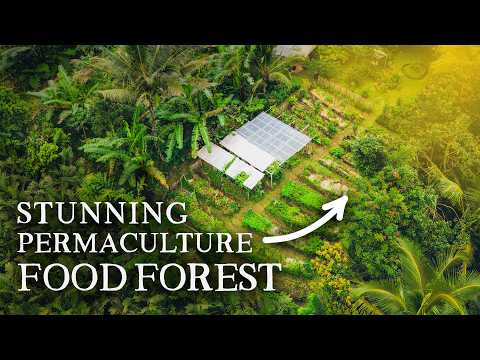
PermaNews Brief
Key Takeaways
A Balinese family’s food forest showcases a thriving, self-sustaining ecosystem through permaculture principles like biodiversity, water management, and soil health.
- Multi-layered design maximizes space and yield.
- Water retention techniques minimize waste and ensure moisture.
- Organic methods enrich soil and boost productivity.
- Biodiversity supports a resilient ecosystem.
- Local plant selection thrives in specific climates.
Why It Matters
This example demonstrates practical applications of permaculture for creating productive and resilient landscapes, offering valuable insights for sustainable food production and ecological restoration.
What to Do Next
Explore local plant species suitable for multi-layered planting in your region.
Recommended for: Anyone interested in designing and maintaining highly productive, self-sustaining food systems using permaculture principles.
A permaculture enthusiast recently explored a remarkable food forest in Bali, highlighting its innovative design and the abundance it generates. This particular forest, established by a local Balinese family, serves as a compelling example of how permaculture principles can be effectively applied to create a thriving and self-sustaining ecosystem.
The forest's design emphasizes biodiversity, with a wide array of plant species coexisting and supporting each other. This multi-layered approach, characteristic of permaculture, includes tall canopy trees providing shade, mid-story fruit trees, and understory plants like herbs and groundcovers. This intricate layering maximizes the use of space and sunlight, leading to higher yields and a more resilient system. The selection of plants is not arbitrary; it focuses on species that are well-suited to the local climate and soil conditions, many of which are indigenous or naturalized.
One of the key features observed was the sophisticated water management system. Instead of relying solely on external irrigation, the forest incorporates techniques to capture and retain rainwater. Swales and contour planting are utilized to slow down water runoff, allowing it to infiltrate the soil and replenish groundwater. This minimizes water waste and ensures that plants receive adequate moisture, even during drier periods. The natural topography of the land is leveraged to guide water flow efficiently throughout the system.
Soil health is another cornerstone of this Balinese food forest. The family employs various organic methods to enrich the soil, such as composting, mulching, and the integration of nitrogen-fixing plants. These practices enhance soil structure, increase fertility, and support a vibrant microbial community, which in turn contributes to healthier and more productive plants. The continuous addition of organic matter also helps to sequester carbon, contributing to environmental benefits beyond food production.
The forest demonstrates a closed-loop system, where waste is minimized and resources are recycled. For instance, fallen leaves and plant debris are not removed but are allowed to decompose, returning valuable nutrients to the soil. This natural cycling of nutrients reduces the need for external inputs like synthetic fertilizers, making the system more sustainable and cost-effective.
Beyond its ecological benefits, the food forest also serves as a significant source of food and income for the family. It provides a diverse range of fruits, vegetables, herbs, and medicinal plants throughout the year. This consistent supply of fresh produce contributes to food security and offers opportunities for selling surplus goods in local markets, demonstrating the economic viability of permaculture. The variety of crops also ensures a balanced diet for the family.
The design also incorporates elements that attract beneficial insects and wildlife, which play crucial roles in pollination and pest control. By creating a hospitable environment for these creatures, the forest maintains a natural balance, further reducing the need for chemical interventions. This integrated pest management approach is a hallmark of permaculture.
In essence, this Balinese food forest stands as a testament to the power of permaculture to create abundant, resilient, and sustainable food systems. It showcases how thoughtful design, ecological understanding, and traditional knowledge can be combined to foster a harmonious relationship between humans and nature, yielding both environmental and economic benefits. The forest serves as an educational model, illustrating practical applications of permaculture principles in a tropical setting.
Source: youtube.com
Related Analysis
- Rainforest Alliance Launches Certification Tied to Soil Results — A developing direction in regenerative ag certifications demands measurable soil outcomes, not just practice adoption. R…
- Campbell's Corporate Grants Push Farmers Into Regenerative Trials — Campbell's Grower Grants are funding real-acre regenerative trials, offering a corporate-backed mechanism for on-farm ex…
Related on PermaNews
- AUTarcaMatricultura La Palma: Permakultur & Energieautarkie (How-To Guide)
- PRI Jordan: Arid Zone Permaculture Yields 5 Tons/Hectare (Case Study)
- Amazonas: Chakra Waldgärten – Dynamische Agroforst-Wunder (Case Study)
- CIT-ED Pioneers Tribal Food Forest for Climate & Food Security (Case Study)
- Explore the Permaculture Design Certificate Course for Sustainable Living (How-To Guide)
- Jordan Greywater Reuse: Wetlands for Arid Permaculture (2025 Pilot) (Case Study)
Explore more in Food Systems & Growing — the full hub for this knowledge area.