Quail for Quick Protein: A Permaculture Perspective
By Josh Robinson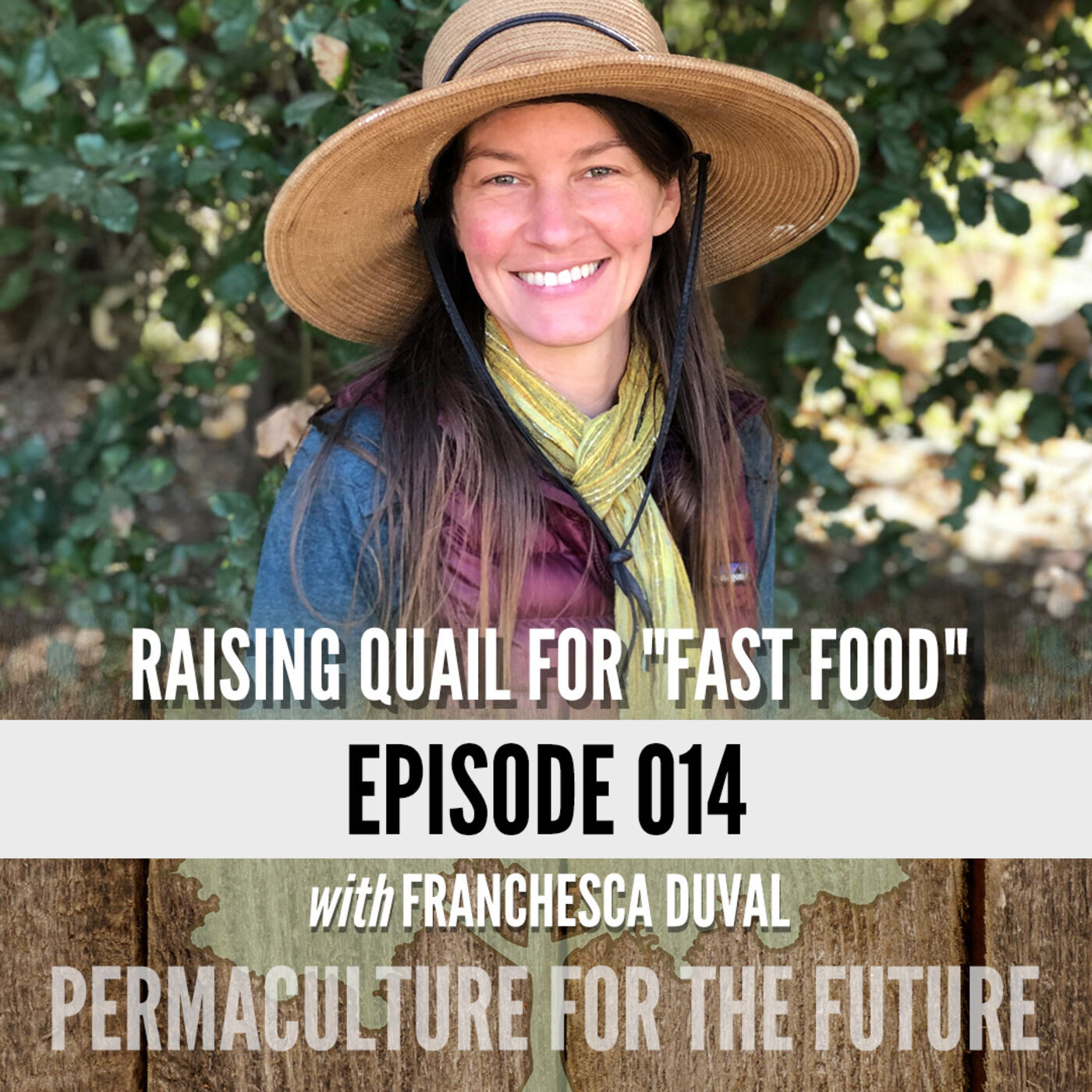
TL;DR: Quail offer a fast-growing, space-efficient alternative to chickens for homesteaders aiming for quick egg and meat production.
- Quail mature faster than chickens, yielding quick eggs and meat.
- Essential equipment includes proper housing, feeders, and brooders.
- Precise incubation is crucial for successful quail egg hatching.
- Consistent care ensures healthy flocks for breeding and production.
- Quail eggs and meat provide nutrient-rich protein.
- Understanding quail temperament helps prevent stress.
Why it matters: Integrating quail into small-scale farming diversifies protein sources and optimizes space, making self-sufficiency more attainable.
Do this next: Consider if raising quail for eggs or meat aligns with your homesteading goals.
Recommended for: Homesteaders and small-scale farmers interested in efficient, fast-turnover poultry for eggs and meat production.
Raising quail presents a compelling alternative to chickens, particularly for those seeking a quicker turnaround for both eggs and meat. The process of integrating quail into a homestead or farm environment involves several key considerations, from initial setup to ongoing care and breeding.
For individuals new to quail husbandry, certain basic equipment is essential. This typically includes appropriate housing that provides protection from predators and the elements, feeders and waterers designed for smaller birds, and a substrate for the enclosure. The specific needs of quail differ from chickens due to their smaller size and different behavioral patterns.
The life cycle of quail, from hatching to maturity, is significantly faster than that of chickens. Hatching quail eggs requires an incubator with precise temperature and humidity control. Once hatched, chicks need a brooder with a heat source to maintain warmth during their vulnerable early weeks. As they grow, they can be transitioned to larger enclosures. Breeding quail involves selecting healthy, productive birds to ensure strong genetics for future generations. Maintaining a healthy flock necessitates consistent access to fresh food and water, regular cleaning of their living environment, and monitoring for any signs of illness.
Quail can be raised for both egg production and meat. For egg layers, a balanced diet rich in protein and calcium is crucial to support consistent laying. Quail eggs are smaller than chicken eggs but are known for their rich flavor and nutritional value. When raising quail for meat, they reach processing size much faster than chickens, offering a quicker harvest cycle. This efficiency makes them an attractive option for those looking to produce their own protein.
Beyond the practical aspects, understanding the temperament and emotional characteristics of quail is beneficial for successful husbandry. While generally docile, quail can exhibit stress if overcrowded or housed in unsuitable conditions. Providing adequate space, enrichment, and a calm environment contributes to their well-being and productivity. Observing their behavior can help identify any issues early on, allowing for timely intervention.
Franchesca Duval, associated with Alchemist Farm, offers valuable insights into these practices. Her work at Alchemist Farm, located in Sebastopol, California, emphasizes a holistic approach to poultry farming. The farm focuses on chicken genetics, particularly in relation to egg color and texture, aiming to connect people with the origins of their food through aesthetically pleasing products.
Alchemist Farm operates as a humane chicken and quail hatchery, integrating regenerative agriculture principles. Their model demonstrates that a family-run business can achieve ecological responsibility while remaining economically viable. The farm distinguishes itself through several environmentally conscious and ethical practices. They power their operations entirely with renewable energy sources and maintain a zero-waste policy, including plastic-free shipping for all products.
A notable ethical stance at Alchemist Farm is their refusal to cull male chicks upon hatching. Instead, these chicks are donated to local families in need, who then raise them for food, addressing both food insecurity and animal welfare concerns. Furthermore, all breeding groups at the farm are kept on pasture rather than in confined cages, promoting natural behaviors and better animal health.
The farm also prioritizes breeding for temperament, ensuring that their birds, including roosters, are non-aggressive. This allows for safe interaction, even with young children, reflecting a commitment to creating a harmonious environment for both animals and humans. Annually, Alchemist Farm dedicates a portion of its proceeds to charitable organizations, demonstrating a broader commitment to social and environmental causes. In recent years, beneficiaries have included organizations focused on combating childhood hunger and preserving natural ecosystems. The farm is also a participant in the 1% for the Planet initiative, further solidifying its dedication to environmental stewardship.