Grow Food in 20 Seconds: A Quick-Start Guide
By Huw Richards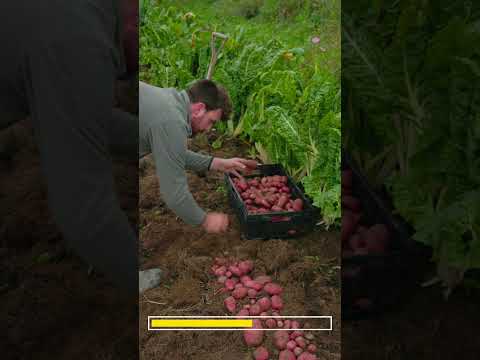
TL;DR: Cultivate food efficiently with minimal time and effort by starting small, optimizing soil health, and using smart watering techniques.
- Start with easy-to-grow plants suited to your climate.
- Improve soil with organic matter for better plant health.
- Water deeply and infrequently to encourage strong roots.
- Focus on a few plants for quick wins and confidence.
- No-dig gardening minimizes soil disturbance.
Why it matters: Adopting streamlined gardening methods makes food production accessible, even with limited time or experience, fostering self-sufficiency.
Do this next: Begin by enriching a small patch of soil with compost for your first easy-to-grow plants.
Recommended for: New gardeners and those seeking efficient, low-effort food production in various settings.
The article from HuwsNursery discusses a streamlined approach to gardening, focusing on efficient methods for cultivating food, particularly for those with limited time or experience. It emphasizes that successful food production doesn't require extensive hours or complex techniques, but rather a strategic understanding of plant needs and simplified practices.
One of the core tenets presented is the importance of starting small and scaling up gradually. Instead of attempting to cultivate a large, diverse garden from the outset, the article suggests beginning with a few easy-to-grow plants that are well-suited to the local climate and personal preferences. This approach helps build confidence and provides tangible results quickly, encouraging continued engagement. Examples of such beginner-friendly crops often include leafy greens like lettuce and spinach, radishes, and certain herbs, which tend to have shorter growing cycles and are less demanding in terms of care.
The article highlights the significance of proper soil preparation as a foundational element for healthy plant growth. It advocates for enriching the soil with organic matter, such as compost, to improve its structure, fertility, and water retention capabilities. This initial investment in soil health can significantly reduce the need for constant intervention later on, as nutrient-rich soil naturally supports robust plant development and resilience against pests and diseases. The concept of "no-dig" gardening is implicitly supported, where disturbing the soil minimally helps preserve its delicate ecosystem.
Efficient watering techniques are also a key component of the "20-second" gardening philosophy. Instead of haphazard watering, the article suggests focusing on deep, infrequent watering to encourage roots to grow deeper into the soil, making plants more drought-tolerant. Utilizing methods like drip irrigation or soaker hoses can further optimize water usage and minimize evaporation, ensuring that water reaches the plant roots directly and efficiently. Mulching is presented as a crucial practice to conserve soil moisture, suppress weeds, and regulate soil temperature, thereby reducing the frequency of watering and weeding tasks.
Pest and disease management is approached with a focus on prevention and natural solutions. The article encourages creating a healthy garden ecosystem that naturally deters pests, rather than relying heavily on chemical interventions. This includes promoting biodiversity by planting a variety of crops, attracting beneficial insects, and maintaining vigorous plant health through proper nutrition and care. Regular, quick inspections of plants can help identify potential issues early, allowing for prompt and less intensive interventions, such as hand-picking pests or applying simple organic remedies.
The article also touches upon the importance of strategic plant placement and companion planting. Understanding which plants thrive together and which can deter pests or enhance growth can lead to a more productive and resilient garden. For instance, planting marigolds near vegetables can help repel nematodes, while basil can improve the growth and flavor of tomatoes. This intelligent design reduces the need for constant monitoring and intervention.
Finally, the concept of continuous harvesting and succession planting is introduced to maximize yield from a small space. By harvesting crops regularly and replanting new ones as soon as space becomes available, gardeners can ensure a steady supply of fresh produce throughout the growing season. This dynamic approach keeps the garden productive and minimizes periods of barrenness, making the most of the cultivated area with minimal additional effort. The overall message is that gardening can be an accessible and rewarding activity, even for those with limited time, by adopting smart, efficient, and nature-aligned practices.