DIY Gopher Baskets: Fruit Tree Root Protection Guide
By Deanna Talerico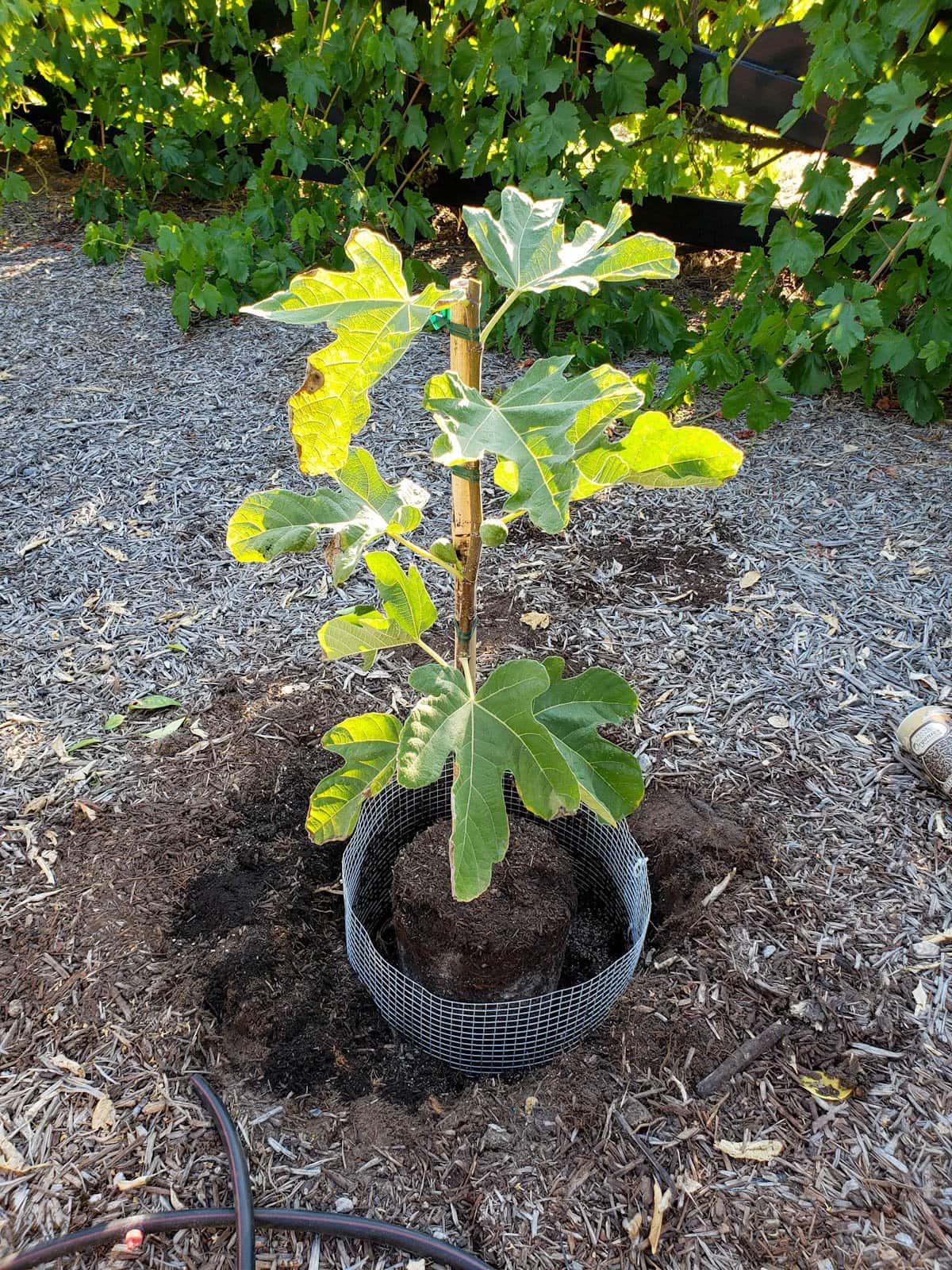
TL;DR: Protect young fruit tree roots from gophers by creating and installing DIY hardware cloth baskets.
- Gophers threaten young trees by eating roots.
- Galvanized hardware cloth forms a protective barrier.
- Half-inch mesh deters gophers, allows root growth.
- Proper sizing is crucial for root development.
- Secure construction prevents gopher entry points.
Why it matters: Gopher damage can quickly kill young fruit trees, wasting time and resources; these baskets offer an effective, low-cost preventative solution.
Do this next: Gather galvanized half-inch hardware cloth, wire cutters, and gloves to construct your first gopher basket this weekend.
Recommended for: Home gardeners and small-scale orchardists looking for a sustainable way to protect newly planted fruit trees from gophers in North America.
Gophers pose a significant threat to young trees, particularly fruit trees, by consuming their roots. A practical and cost-effective solution to this problem involves constructing a DIY gopher basket from hardware cloth. This protective barrier encases the root ball of the tree, preventing gophers from accessing and damaging the roots while still allowing for healthy growth.
The primary material required for these baskets is galvanized hardware cloth, specifically with a half-inch mesh size. This mesh is small enough to deter gophers but large enough to permit root expansion. The galvanized coating is crucial for preventing rust, ensuring the basket's longevity underground. Other essential tools include heavy-duty wire cutters, work gloves to protect hands from sharp wire edges, and a measuring tape.
The construction process begins by determining the appropriate size for the basket. For most young fruit trees, a piece of hardware cloth measuring approximately 4 feet by 4 feet is suitable. This size allows for a basket that can accommodate a 5-gallon nursery pot, providing ample space for root development. The hardware cloth is then cut to these dimensions using the wire cutters.
Once cut, the square piece of hardware cloth is folded in half to create a rectangle. The two short ends of this rectangle are then brought together and overlapped by about an inch. This overlap is secured by bending the protruding wire ends from one side around the wires of the other side, effectively creating a cylinder. It's important to ensure a tight and secure connection to prevent gophers from finding an entry point.
After forming the cylinder, one end is closed to create the bottom of the basket. This is achieved by gathering the wire ends at one edge of the cylinder and twisting them together securely. Imagine cinching a drawstring bag; the goal is to create a robust, closed base. Any sharp wire ends should be bent inwards to prevent injury during handling and planting.
When planting the tree, the gopher basket is placed into the prepared planting hole. The tree's root ball, after being gently removed from its nursery pot and any circling roots are loosened, is then carefully placed inside the hardware cloth basket. The basket should be positioned so that the top edge is slightly above the soil line to prevent gophers from burrowing over the top.
Backfilling the hole with soil is the next step. It's important to ensure that the soil fills all voids within and around the basket, making good contact with the root ball. Once the hole is filled, the soil should be gently firmed around the base of the tree. Watering thoroughly after planting helps settle the soil and eliminate air pockets.
While gopher baskets offer excellent protection, it's also beneficial to consider other gopher deterrents as part of an integrated pest management strategy. These can include planting gopher-repellent plants nearby, such as castor bean (though toxic to pets and humans), gopher purge, or daffodils. Additionally, maintaining a clean garden free of weeds and debris can reduce attractive habitats for gophers. Regular monitoring of the garden for signs of gopher activity, such as mounds or tunnels, allows for early intervention if a gopher manages to bypass the basket or establishes itself elsewhere in the garden. The DIY gopher basket, however, remains a fundamental and highly effective method for safeguarding the roots of newly planted trees from these persistent pests.