Fillet Fish Like a Pro: Maximize Yield, Minimize Waste
By Self Suffishing Me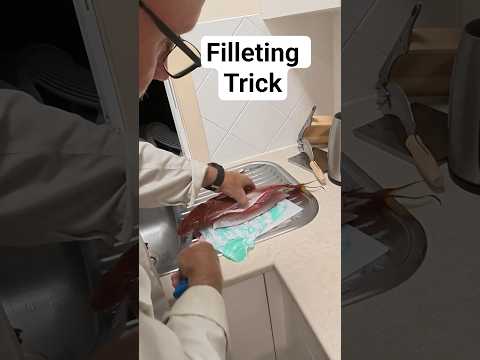
TL;DR: Mastering fish filleting techniques enhances yield and reduces waste, offering a sustainable approach to food preparation.
- Learn to maximize meat yield from fish.
- Minimize waste with precise cuts.
- Master rib cage and skinning methods.
- Efficient filleting saves time and effort.
- Improve your food preparation skills.
Why it matters: Efficient fish filleting directly supports sustainable food practices by maximizing usable protein and minimizing discards, benefiting both your kitchen and the environment.
Do this next: Practice the described filleting technique on a whole fish to refine your skills.
Recommended for: Anyone interested in sustainable food preparation, culinary skills, and efficient use of resources.
The article describes an efficient method for filleting fish, focusing on maximizing yield and minimizing waste. The technique begins by making an initial cut behind the fish's pectoral fin, extending down to the backbone. This cut should be angled slightly towards the head to ensure that as much meat as possible is retained on the fillet.
Following this, the knife is carefully guided along the top of the backbone, moving towards the tail. The goal here is to keep the blade as close to the bone as possible, separating the flesh cleanly. It's important to maintain a consistent, shallow angle to avoid cutting into the ribs prematurely. Once the knife reaches the tail section, the fillet is almost entirely detached from the backbone, save for the rib cage.
The next step involves addressing the rib cage. Instead of cutting through the ribs, which can be messy and leave small bone fragments, the method suggests carefully cutting *around* them. This is achieved by angling the knife underneath the ribs, following their natural curve. This technique allows for the removal of the entire rib cage section with minimal loss of edible meat. The knife is then run along the underside of the ribs, separating them from the main fillet.
After the first fillet is removed, the fish is flipped over, and the process is repeated on the other side. The same principles apply: an initial cut behind the pectoral fin, careful separation along the backbone, and then precise removal of the rib cage by cutting underneath them.
Once both fillets are off the bone, the next stage involves skinning. The article recommends placing the fillet skin-side down on a cutting board. A small cut is made at the tail end of the fillet, just through the skin, creating a small flap. Holding this flap firmly, the knife is then angled slightly downwards, almost parallel to the cutting board, and drawn along the length of the fillet, separating the skin from the flesh. The key here is to apply gentle pressure and maintain a consistent angle to ensure a clean separation without leaving too much meat on the skin or cutting through the skin itself.
Finally, any remaining pin bones are addressed. Depending on the species of fish, there might be a line of small, fine bones running along the lateral line of the fillet. These can be removed using a pair of pliers or by making a small V-shaped cut along the line of bones, excising them entirely. The article emphasizes that this method, while requiring some practice, ultimately leads to higher quality fillets with less waste, making the most of each catch. The focus is on precision and understanding the anatomy of the fish to achieve optimal results.