Off-Grid Solar Power Systems & Kits
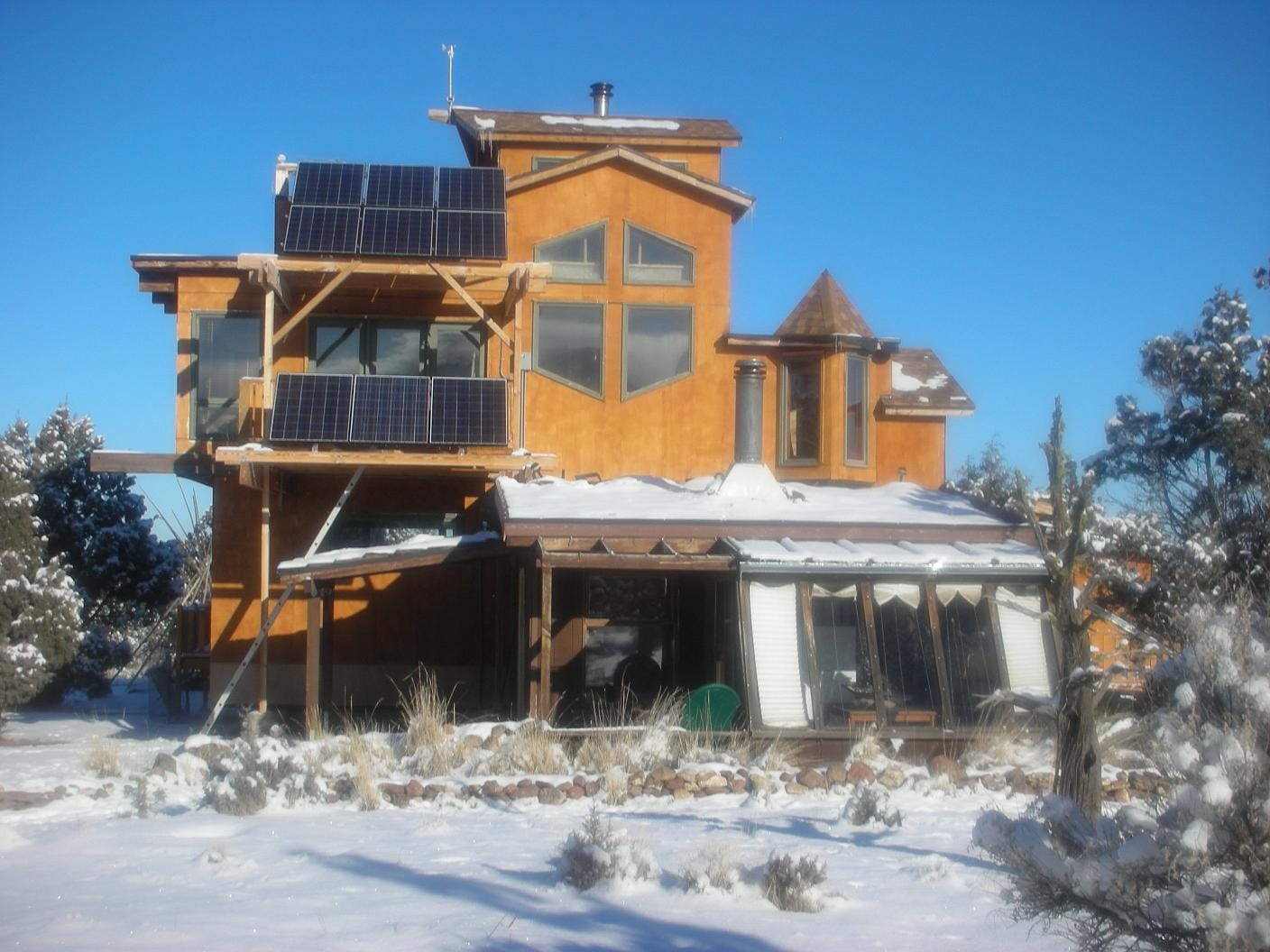
PermaNews Brief
Key Takeaways
Off-grid solar systems require careful planning for energy needs and component matching.
- Calculate power needs before sizing systems
- Understand daily sun hours for solar generation
- Match components to prevent system failure
- Essential hardware ensures autonomy
- A primer for basic off-grid system design
Why It Matters
With the rise in renewable energy interest, understanding off-grid solar systems empowers individuals to pursue energy independence tailored to their needs.
What to Do Next
Assess your power requirements and evaluate available sunlight.
Permaculture Context
For permaculture designers and homesteaders, the discipline of load-first solar planning maps almost perfectly onto the broader ethic of designing from function outward rather than from aesthetics or aspiration. Too many off-grid setups fail not because the sun stopped shining but because someone bought panels before they understood their actual energy behavior — running a chest freezer, a well pump, and a workshop compressor on a system sized for a weekend cabin. The real leverage point here is the concept of daily sun hours, which varies dramatically by latitude, season, and site topography, meaning that a system performing adequately in July may leave you critically short in December. For practitioners building toward genuine resilience, this suggests treating energy design as a site-specific, seasonal analysis rather than a product purchase. It also reinforces a deeper permaculture principle: observe before you act. Spend time understanding what you genuinely consume, what you could reduce through passive design or behavioral shifts, and only then commit to hardware. A smaller, well-matched system almost always outperforms an oversized one poorly integrated into daily life.
Recommended for: Homeowners and small-site planners exploring renewable energy options.
This page provides a practical overview of off-grid solar power systems and kits, explaining the basic logic of standalone energy production and storage for locations that do not rely on the utility grid. The most useful part for practitioners is the sizing guidance: it states that system size depends on the amount of power required, the duration of use, and the amount of solar energy available in a particular location through daily sun hours. That framing is important because it pushes system design beyond simple panel counts and toward actual load analysis, which is the core of resilient off-grid planning.
The page also identifies the major components needed for a complete off-grid setup, including inverters, charge controllers, and solar batteries or lithium battery storage systems. This is operationally valuable because off-grid systems fail when components are mismatched or when battery storage is underspecified. By noting that the first step is calculating the power needed to run appliances, the source reinforces a load-first design process: estimate total wattage, convert that into energy over time, and then size the solar array and storage accordingly. The content also emphasizes that off-grid solar system design is complex and requires specialized equipment, which is a realistic caution for homeowners, cabin owners, and small-site planners.
In practical terms, the source is best used as an entry-level system design primer rather than a deep technical manual. It is most useful for someone trying to understand the relationship between loads, solar generation, storage, and backup functionality before buying parts or assembling a kit. Because it describes the key building blocks in a complete off-grid architecture, it can help a buyer compare packages and identify whether a kit includes the essential hardware needed for autonomous operation. The page is especially relevant for practical resilience and self-sufficiency projects where the goal is to power critical loads without dependence on the grid.
Source: thesolarstore.com
Related on PermaNews
- Finnish Off-Grid: Rocket Mass Heater Performance in Greenhouse (Case Study)
- Rodale Report 2025: Thermal Mass Boost in Solar Greenhouses (Case Study)
- Earthaven Ecovillage: 30 Years Off-Grid with Hydro & Solar (Video)
- 2025: Rocket Mass Heaters in PHI-Certified Earthship Tiny Homes (Case Study)
- Off-Grid Water: Cistern Design & Sizing for Security (How-To Guide)
- Net-Zero Greenhouse Design: Year-Round Food Production via ATTRA (How-To Guide)