77-Year-Old's Off-Grid New Life on 40 Acres
By Living Big In A Tiny House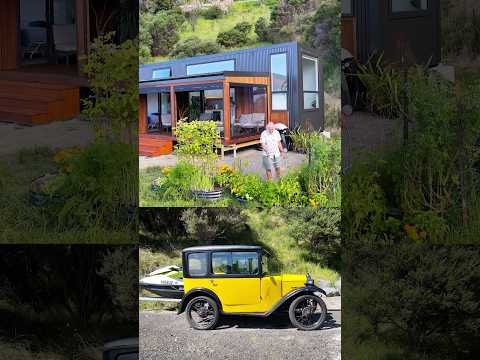
TL;DR: A 77-year-old man built an off-grid homestead on 40 acres in New Zealand, focusing on self-sufficiency and sustainable living.
- Acquired 40 acres for a new off-grid life.
- Drilled a well for a reliable water source.
- Installed solar power for water pump and home.
- Constructed a modest and efficient cabin.
- Cultivated a productive permaculture garden.
Why it matters: This story highlights how dedication and thoughtful planning can lead to a self-sufficient lifestyle, even at an advanced age, offering inspiration for sustainable living.
Do this next: Consider how a phased approach to self-sufficiency could work for your own context.
Recommended for: Anyone interested in off-grid living, permaculture, or embracing significant life changes at any age.
A 77-year-old individual embarked on a significant life change, transitioning to an off-grid existence, demonstrating a remarkable commitment to self-sufficiency and a simpler way of living. His journey began with the acquisition of a 40-acre property, a substantial piece of land that provided the canvas for his vision. This property was largely undeveloped, presenting both challenges and opportunities for creating a sustainable homestead from the ground up.
One of the initial and most crucial steps in establishing his off-grid lifestyle was the development of a reliable water source. He successfully drilled a well, a fundamental requirement for any independent living situation, ensuring a consistent supply of fresh water for domestic use and potential agricultural endeavors. This well was then equipped with a solar-powered pump, highlighting his dedication to renewable energy and minimizing reliance on conventional power grids. The integration of solar power extended beyond the water pump, as he also installed a comprehensive solar panel system to generate electricity for his home and other needs. This system was designed to provide ample power, allowing him to maintain a comfortable living standard while remaining independent of external utilities.
His dwelling on the property is a modest yet functional cabin, constructed with a focus on practicality and efficiency. The cabin serves as his primary residence, providing shelter and a base for his daily activities. Beyond the cabin, he dedicated considerable effort to cultivating a productive garden. This garden is a cornerstone of his self-sufficiency, providing a significant portion of his food supply. He grows a variety of fruits and vegetables, carefully selecting crops that thrive in his local climate and contribute to a balanced diet. The garden also incorporates permaculture principles, such as companion planting and soil enrichment, to maximize yields and minimize resource input.
In addition to gardening, he has embraced animal husbandry, raising chickens on his property. These chickens provide a steady supply of fresh eggs, further reducing his reliance on external food sources. The integration of chickens into his homestead also contributes to the ecological balance of his land, as their waste can be used as fertilizer for the garden.
His daily routine is structured around the rhythms of nature and the demands of maintaining his off-grid lifestyle. He spends a considerable amount of time tending to his garden, caring for his chickens, and performing general maintenance tasks around his property. This hands-on approach to living ensures that he is actively engaged in the upkeep and development of his homestead. Despite his age, he exhibits a high level of physical activity and mental engagement, demonstrating the benefits of an active and purpose-driven life.
The decision to move off-grid at 77 was driven by a desire for greater independence, a connection to nature, and a simpler existence away from the complexities of modern urban life. He sought to create a life where he was less dependent on external systems and more reliant on his own efforts and the resources of his land. This transition represents a deliberate choice to prioritize self-reliance and environmental stewardship. His story serves as an inspiring example of how individuals can adapt and thrive in unconventional living situations, even later in life, by embracing sustainable practices and a resilient mindset.