Orchard Reimagined: Permaculture Transformation Story
By Grounded Permaculture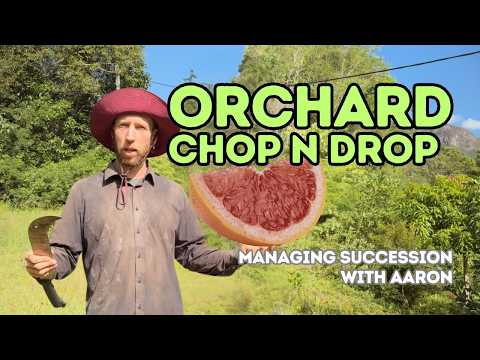
PermaNews Brief
Key Takeaways
Transforming an orchard using permaculture principles enhances productivity, resilience, and biodiversity through improved soil health, water management, and ecological design.
- Revitalize orchards with permaculture principles for better yields.
- Improve soil health via composting, mulching, and cover cropping.
- Implement swales and earthworks for effective water management.
- Boost biodiversity to create a resilient orchard ecosystem.
- Assess existing conditions to inform your transformation strategy.
Why It Matters
Applying permaculture in orchards leads to healthier trees, reduced resource input, and a more robust ecosystem, ensuring long-term food security and environmental benefits.
What to Do Next
Start by soil testing and mapping your orchard to understand its current health and needs.
Recommended for: Orchardists, land managers, and permaculture enthusiasts interested in restorative agriculture and sustainable food production.
The article, "Lush Living: A Tale of Orchard Transformation," details a multi-year project to revitalize an existing orchard, transforming it into a more productive, resilient, and biodiverse system using permaculture principles. The narrative begins with the initial assessment of the orchard, which, while established, suffered from neglect and a lack of integrated ecological design. Many trees were struggling due to poor soil health, inadequate water management, and competition from aggressive weeds. The initial phase focused on understanding the existing conditions, including soil composition, drainage patterns, and the health of individual trees. This involved soil testing to identify nutrient deficiencies and pH imbalances, as well as mapping out the existing tree species and their general vigor.
A key aspect of the transformation involved improving soil fertility and structure. This was achieved through a multi-pronged approach. Extensive composting was initiated, utilizing organic matter from on-site sources and local waste streams. This compost was then regularly applied as a thick mulch around the base of the trees, serving to suppress weeds, retain moisture, and slowly release nutrients. Additionally, cover cropping was introduced in the inter-rows between the fruit trees. These cover crops, chosen for their nitrogen-fixing and biomass-producing qualities, were periodically cut and left as a "chop and drop" mulch, further enriching the soil and contributing to a healthy soil food web. The article emphasizes the importance of fostering microbial life in the soil as a foundation for long-term orchard health.
Water management was another critical area of intervention. The original orchard relied heavily on inconsistent rainfall, leading to periods of drought stress for the trees. To address this, a system of swales and small earthworks was implemented. These contours, strategically placed on the landscape, were designed to slow down and spread rainwater, allowing it to infiltrate the soil more effectively rather than running off. This passive water harvesting technique significantly improved soil moisture retention, reducing the need for supplemental irrigation and making the orchard more resilient to dry spells. The article also touches upon the integration of a small pond at the lowest point of the property, which serves as a reservoir for excess water and a habitat for beneficial wildlife.
Beyond soil and water, the transformation also focused on enhancing biodiversity. The original orchard was largely a monoculture of fruit trees, offering limited habitat for beneficial insects and other wildlife. To counteract this, a diverse array of understory plants, including nitrogen-fixing shrubs, dynamic accumulators, and pollinator-attracting flowers, were introduced. These plants were strategically placed to create guilds around the fruit trees, providing a range of ecological services such as pest deterrence, nutrient cycling, and habitat for beneficial insects. The article highlights the observation of an increase in pollinator activity and a reduction in pest pressure following these biodiversity enhancements.
The long-term vision for the orchard, as described in the article, is to create a self-sustaining, resilient ecosystem that requires minimal external inputs. This involves continuous observation, adaptation, and a commitment to working with natural processes rather than against them. The transformation from a struggling, conventional orchard to a thriving, permaculture-inspired food forest is presented as an ongoing journey, demonstrating the practical application of ecological design principles in a real-world setting. The narrative underscores the benefits of such an approach, including increased yields, improved tree health, enhanced biodiversity, and a more robust and sustainable agricultural system.
Source: youtube.com
Related Analysis
- Colorado Beekeeper Lost 85% of Hives in 2021 — A Colorado beekeeper lost 85% of his hives in 2021. The sudden collapse raises questions about pesticide exposure in com…
- Bee Colony Losses Rise as Research Funding Declines — US beekeepers mobilize against colony losses and shrinking research budgets. Learn how apiarists are adapting to reduced…
Related on PermaNews
- Ernst Götsch's Cacao Syntropy: Master Agroforestry Now (How-To Guide)
- Finnish Off-Grid: Rocket Mass Heater Performance in Greenhouse (Case Study)
- Berlins schwimmende Gärten: Permakultur auf dem Wasser (Case Study)
- Rodale Report 2025: Thermal Mass Boost in Solar Greenhouses (Case Study)
- AUTarcaMatricultura La Palma: Permakultur & Energieautarkie (How-To Guide)
- Earthaven Ecovillage: 30 Years Off-Grid with Hydro & Solar (Video)
Explore more in Food Systems & Growing — the full hub for this knowledge area.