Native Seeds: Revitalizing Ecosystems on Public Lands
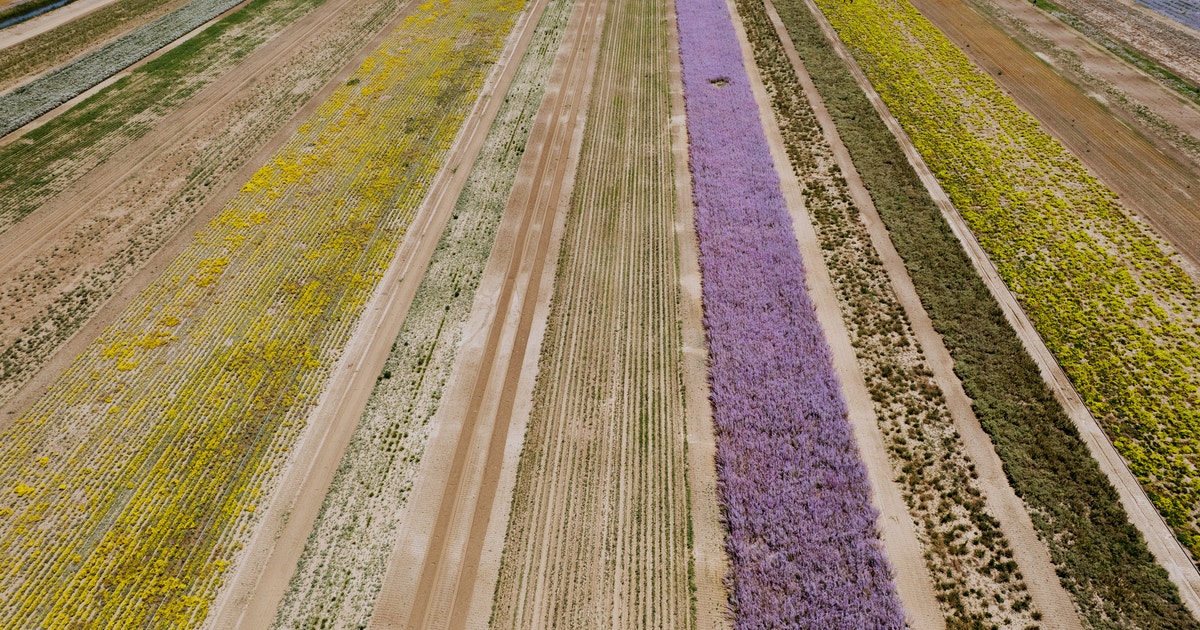
TL;DR: Collaboration between land management and native seed producers is restoring vital ecosystems by scaling up the use of regionally adapted native seeds.
- Native seeds are crucial for ecosystem resilience.
- Regional ecotypes are preferred over generic seed mixes.
- Low-input methods are used for seed propagation.
- Restoration shows dramatic recovery on public lands.
- Partnerships support ecological and economic benefits.
Why it matters: Restoring degraded lands with native species is essential for biodiversity, soil health, and climate resilience, offering a blueprint for large-scale ecological regeneration.
Do this next: Research local native seed initiatives and consider contributing to or starting a native seed increase plot in your area.
Recommended for: Land stewards, restoration ecologists, permaculturists, and homesteaders interested in native plant propagation and large-scale ecosystem recovery.
This Audubon Magazine article explores practitioner-led initiatives since 2000 by the Bureau of Land Management (BLM) and partners to scale native seed production for restoring ecosystem resilience on public lands. It details specific sourcing strategies, such as identifying regionally adapted ecotypes from remnant prairies and degraded sites, ensuring seeds match local soils, climates, and pollinator needs for self-sufficient restoration. Propagation techniques include custom grow-out protocols at native seed farms, where contractors like Native Seed Networks cultivate millions of pounds annually using low-input methods: direct seeding into prepared beds, minimal irrigation to mimic natural conditions, and hand-harvesting to preserve seed quality. Project results show dramatic recovery, with over 1,000 restoration sites rehabilitated post-wildfires, reducing erosion by 70% and boosting native plant cover from 10% to 80% within three years. Emphasis is on non-generic seed selection—avoiding broad-stock mixes in favor of site-specific collections—to enhance long-term viability against climate shifts. Practical details cover seed cleaning via air-screen machines, viability testing through tetrazolium staining, and storage in climate-controlled vaults at 4°C and 30% humidity for up to 20 years. The article highlights partnerships with Indigenous groups for traditional knowledge integration, such as basket-weaving harvest methods, and economic impacts: creating 500+ jobs in rural areas. For regenerative living, it offers lessons on applying these to private lands, like establishing seed increase plots with 10x12-foot isolation distances and monitoring germination rates above 80%. Challenges addressed include supply shortages (only 1% of needed seeds available) and solutions like incentive programs paying $200+/pound for high-quality lots. This provides concrete pathways for homesteaders to contribute to large-scale resilience while building personal seed banks.