Goat Keeping 101: Milk, Meat & Homesteading with Stephanie Harren
TL;DR: Integrating goats into a homestead requires careful planning for breed selection, parasite and nutritional management, and robust fencing to ensure animal well-being and productivity.
- Choose goat breeds carefully for milk, meat, or small spaces.
- Implement robust parasite control, especially in humid regions.
- Install sturdy fencing to prevent escapes and protect herds.
- Supplement goat diets beyond grazing for optimal health.
- Consider specific breeds like Nubian, Nigerian Dwarf, or Pygmy.
Why it matters: Proper goat integration supports sustainable homesteading through diversified animal products and land management, contributing to self-sufficiency and ecological balance.
Do this next: Listen to the full podcast episode to gain detailed insights on goat management.
Recommended for: Beginner homesteaders and aspiring small-scale farmers interested in raising goats for various purposes.
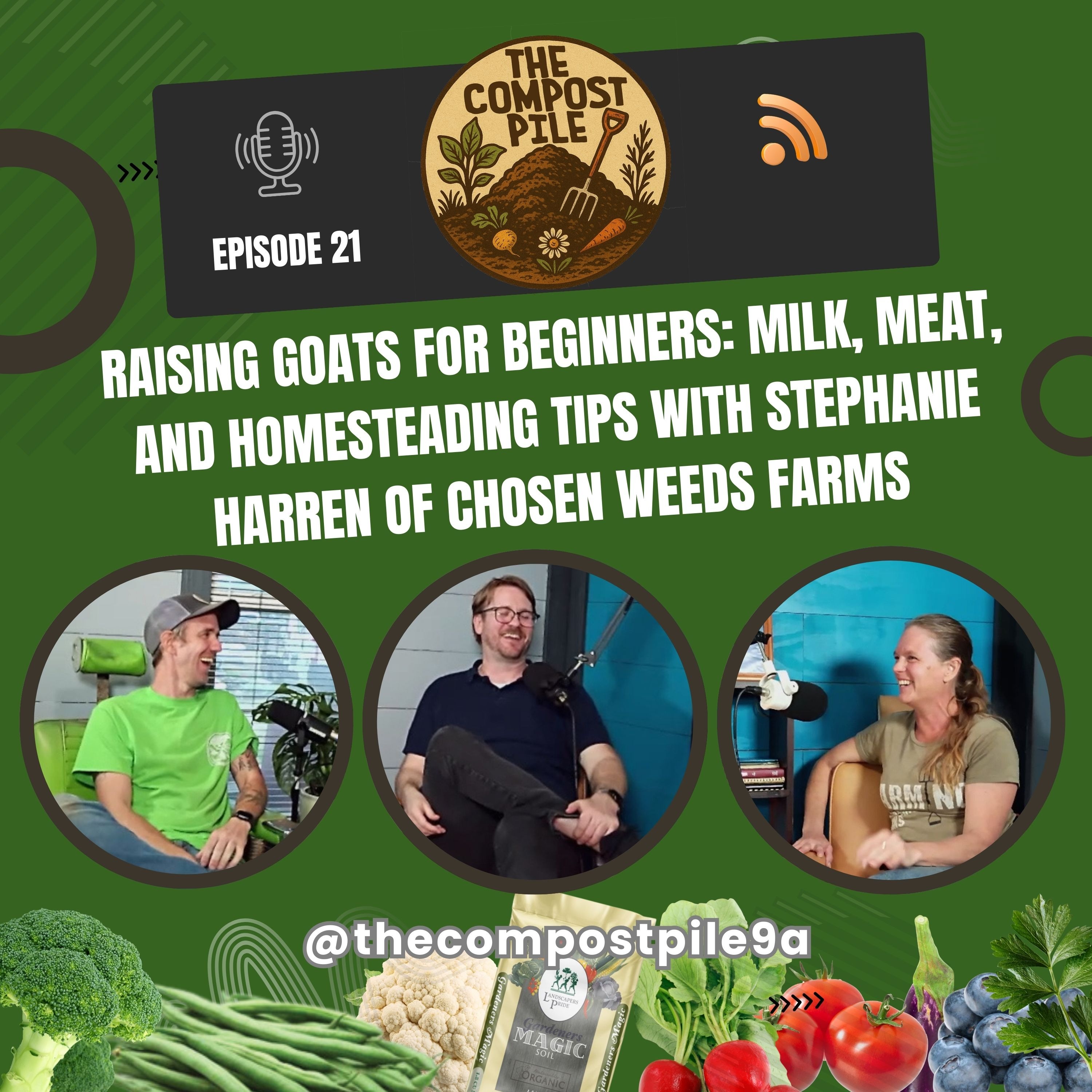
The Compost Pile podcast recently featured an episode dedicated to the practicalities of raising goats, with insights from Stephanie Harren of Chosen Weeds Farm. The discussion aimed to provide a comprehensive overview for individuals considering integrating goats into their homesteads, covering various aspects from initial selection to daily management and product utilization.
A primary focus of the conversation was on selecting the appropriate goat breed, with specific mentions of Nubian, Nigerian Dwarf, and Pygmy goats. The choice of breed is crucial as it dictates the goat's primary purpose, whether for milk, meat, or as a smaller, more manageable option for limited spaces. Understanding the characteristics and needs of different breeds is a foundational step for any aspiring goat owner.
Parasite management was highlighted as a significant challenge, particularly in humid environments like Southeast Texas, where Chosen Weeds Farm is located. The discussion likely delved into strategies for mitigating parasite pressure, which could include rotational grazing, regular fecal testing, and appropriate deworming protocols. Effective parasite control is essential for maintaining the health and productivity of a goat herd.
Fencing was another critical topic, acknowledging goats' reputation as escape artists. The conversation likely explored various fencing solutions designed to contain goats effectively, emphasizing the importance of sturdy construction and appropriate height to prevent escapes. Proper fencing not only keeps goats in but also protects them from predators.
Feeding goats was also addressed, moving beyond simple grazing to include supplementary feeding strategies. This would involve discussing the nutritional requirements of goats, the types of forage they consume, and when and how to supplement their diet with hay, grains, or mineral supplements to ensure optimal health and production.
For those interested in dairy, the episode provided information on producing goat milk, which can then be used to create various homestead products like cheese. This aspect of goat keeping offers a path to greater self-sufficiency and the enjoyment of fresh, homemade dairy items. The discussion likely covered the milking process, milk handling, and basic cheesemaking principles.
The conversation also touched upon the general pros and cons of raising goats, specifically within the context of Southeast Texas, but with broader applicability. This would encompass factors such as climate suitability, availability of resources, and the time and effort required for goat care.
Finally, the episode aimed to educate beginners on common mistakes to avoid. This practical advice would help new goat owners circumvent typical pitfalls, leading to a more successful and less stressful experience. The overall message was to provide real-world advice to help listeners determine if goats are a suitable addition to their garden, homestead, or backyard farm, emphasizing that proper management practices are key to a healthy and productive herd.