Limestone Farm: 1-Acre Permaculture Homestead Transformation!
By Happen Films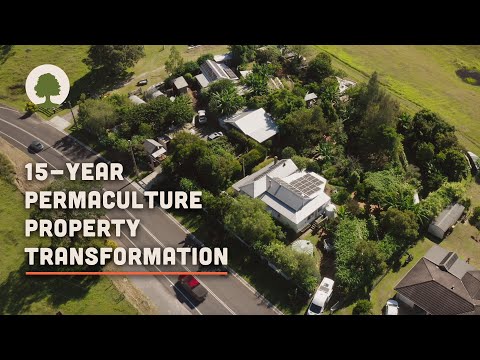
PermaNews Brief
Key Takeaways
A one-acre plot transformed into a permaculture homestead demonstrates intensive sustainable living practices for small spaces.
- Small plots can achieve high productivity with permaculture.
- Soil regeneration is fundamental for resilient ecosystems.
- Water harvesting maximizes resource utilization and minimizes runoff.
- Diverse plantings enhance biodiversity and system functions.
- Polycultures build mutually beneficial plant relationships.
Why It Matters
Even limited land can yield abundant, resilient ecosystems, offering a scalable model for sustainable living and food production in various contexts.
What to Do Next
Explore local resources for organic matter like compost and wood chips to begin soil regeneration efforts.
Recommended for: Anyone interested in applying permaculture principles to create a productive and resilient homestead on limited land.
A recent case study highlights the successful transformation of a one-acre property into a productive permaculture homestead, demonstrating the potential for sustainable living even on relatively small land parcels. The project, undertaken by Limestone Permaculture Farm, showcases a comprehensive approach to integrating various permaculture principles to create a resilient and abundant ecosystem.
The initial state of the property presented typical challenges associated with suburban or semi-rural plots, including compacted soil, limited biodiversity, and a lack of established productive systems. The owners embarked on a multi-year plan to address these issues, focusing on soil regeneration as a foundational element. This involved extensive use of organic matter, including compost, wood chips, and cover crops, to improve soil structure, water retention, and nutrient availability. The long-term strategy aimed to cultivate a living soil food web, reducing the need for external inputs and fostering natural fertility.
Water management was another critical aspect of the design. The property incorporated various water harvesting techniques, such as swales and rain gardens, to capture and infiltrate rainwater, minimizing runoff and maximizing its utilization within the landscape. These features not only conserve water but also contribute to passive irrigation of plants and help recharge groundwater. The strategic placement of water-loving plants in these areas further enhances their effectiveness.
Biodiversity was actively promoted through the planting of a diverse range of edible and support species. This included a mix of fruit trees, berry bushes, perennial vegetables, and nitrogen-fixing plants, all chosen for their ecological functions and contributions to the overall system. The design emphasized polycultures and guild plantings, where different species are grown together to create mutually beneficial relationships, such as pest deterrence, nutrient cycling, and habitat provision for beneficial insects. This approach contrasts sharply with conventional monoculture farming, which often relies on external interventions to manage pests and diseases.
The homestead also integrated animal systems, specifically chickens, which play a multifaceted role in the permaculture design. The chickens are managed in a way that allows them to forage, control pests, and contribute to soil fertility through their droppings. Their movement is often guided to specific areas to prepare beds for planting or to clean up after harvests, demonstrating a thoughtful integration of livestock into the productive landscape.
Energy efficiency and waste reduction were also key considerations. The property owners implemented strategies to minimize their ecological footprint, including composting all organic waste, recycling, and exploring renewable energy options. The design of structures on the property also considered passive solar principles to reduce heating and cooling demands.
The overall design of the Limestone Permaculture Farm exemplifies the zone concept, a core permaculture principle where elements are placed according to the frequency of human interaction. High-use areas, such as the kitchen garden, are located closest to the dwelling, while less frequently visited areas, like food forests or woodlots, are further away. This thoughtful arrangement optimizes efficiency and reduces labor.
The project demonstrates that a significant level of food self-sufficiency and ecological regeneration can be achieved on a relatively small land area. It serves as an inspiring example for individuals and communities interested in adopting permaculture principles to create resilient, productive, and environmentally sound living systems. The success of Limestone Permaculture Farm underscores the potential for transforming conventional landscapes into thriving, biodiverse ecosystems that provide for human needs while enhancing ecological health.
Source: youtube.com
Related Analysis
- Food Forest Courses Shift From Theory to Build-Ready Skills — Several food forest courses now open with site assessment and guild-building rather than design theory, suggesting a dev…
- Practitioners Build Silvopasture Playbook Before Researchers Catch Up — A small but consistent set of signals from the Northeast U.S. shows farmers actively piloting silvopasture while formal …
Related on PermaNews
- After a Decade of Work: Building an Affordable Earth Home (Video)
- Family wanted to start over. They helped build opt-in village, applications open (Video)
- Holmgren's RetroSuburbia: Downshifting for a Resilient Future (Article)
- 20 Rainwater Harvesting Design Tips for Permaculture (Video)
- Permaculture's Core: Ancient Tech for Modern Design (Video)
- Unlock the 12 Permaculture Principles: Your Guide to a Sustainable Future (How-To Guide)
Explore more in Food Systems & Growing — the full hub for this knowledge area.