Thornscrub Root-Coppicing: Regenerative Permaculture Technique
By Crime Pays But Botany Doesn't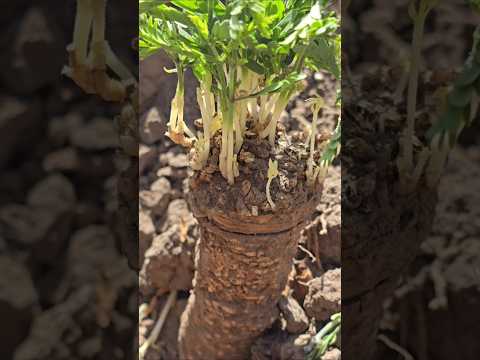
TL;DR: Root-coppicing, a technique involving strategic root cutting, stimulates plant growth and enhances vitality, especially in thornscrub plants adapted to harsh conditions.
- Root-coppicing boosts plant regeneration and vigor.
- It targets subterranean parts to trigger new growth.
- Enhances resilience to drought and soil degradation.
- Careful consideration of plant species and timing is crucial.
- Increases biomass production in thornscrub environments.
Why it matters: This technique offers a way to improve plant health and productivity in challenging environments, leading to more resilient ecosystems and increased biomass.
Do this next: Watch the video to understand the nuances of root-coppicing for specific plant species and environments.
Recommended for: Permaculture practitioners and regenerative agriculturists interested in advanced plant management techniques for challenging environments.
The practice of root-coppicing, a lesser-known but potentially valuable technique in permaculture and regenerative agriculture, involves the strategic cutting of a plant's roots to stimulate new growth and enhance its overall vitality. While traditional coppicing focuses on cutting the above-ground stems, root-coppicing targets the subterranean parts of the plant, leveraging its natural regenerative capabilities. This method is particularly relevant for certain types of plants, especially those found in thornscrub ecosystems, which are often adapted to harsh conditions and exhibit robust root systems.
The fundamental principle behind root-coppicing is to trigger a stress response within the plant that encourages it to send out new shoots and develop a more extensive and vigorous root network. When roots are cut, the plant perceives this as damage and responds by allocating resources to repair and regenerate. This can lead to a denser root ball, improved nutrient uptake, and increased resilience against environmental stressors such as drought or soil degradation. For thornscrub plants, which frequently encounter such challenges, this technique can be particularly beneficial in promoting their survival and productivity.
The application of root-coppicing is not a one-size-fits-all approach and requires careful consideration of the plant species, its age, and the specific environmental context. Different plants will respond differently to root disturbance, and an understanding of their physiological characteristics is crucial for successful implementation. For instance, plants with a strong taproot system might react differently compared to those with a fibrous root system. The timing of the root cut is also important, often coinciding with dormant periods to minimize stress and maximize regenerative potential.
One of the primary benefits of root-coppicing in thornscrub environments is its potential to enhance biomass production. By stimulating new growth, the technique can lead to a greater yield of leaves, stems, and even fruits, which can be valuable for fodder, fuel, or other uses. This increased biomass can also contribute to improved soil health by adding organic matter and fostering microbial activity. Furthermore, a more robust root system can help stabilize soil, reduce erosion, and improve water infiltration, all of which are critical in arid and semi-arid regions where thornscrub ecosystems are prevalent.
The method can also play a role in managing plant size and shape. By strategically cutting roots, growers can influence the plant's growth habit, potentially keeping it more compact or encouraging a bushier form. This can be advantageous in situations where space is limited or where a particular plant architecture is desired for ease of harvesting or integration into a polyculture system. For thornscrub species that can grow quite large and dense, root-coppicing offers a way to manage their growth and prevent them from becoming overly dominant.
While the concept of root-coppicing holds significant promise, it is still an area that requires further research and practical experimentation. The long-term effects on plant health, productivity, and ecosystem dynamics need to be thoroughly investigated. However, for those engaged in permaculture and regenerative practices, particularly in challenging environments like thornscrub, exploring root-coppicing could offer innovative solutions for enhancing plant vitality, increasing resource yields, and fostering more resilient and productive landscapes. The technique represents a thoughtful intervention that works with the plant's inherent capacity for regeneration, aligning with the core principles of sustainable land management.