Rodale No-Till: Organic Success for Grain Farmers
By Rodale Institute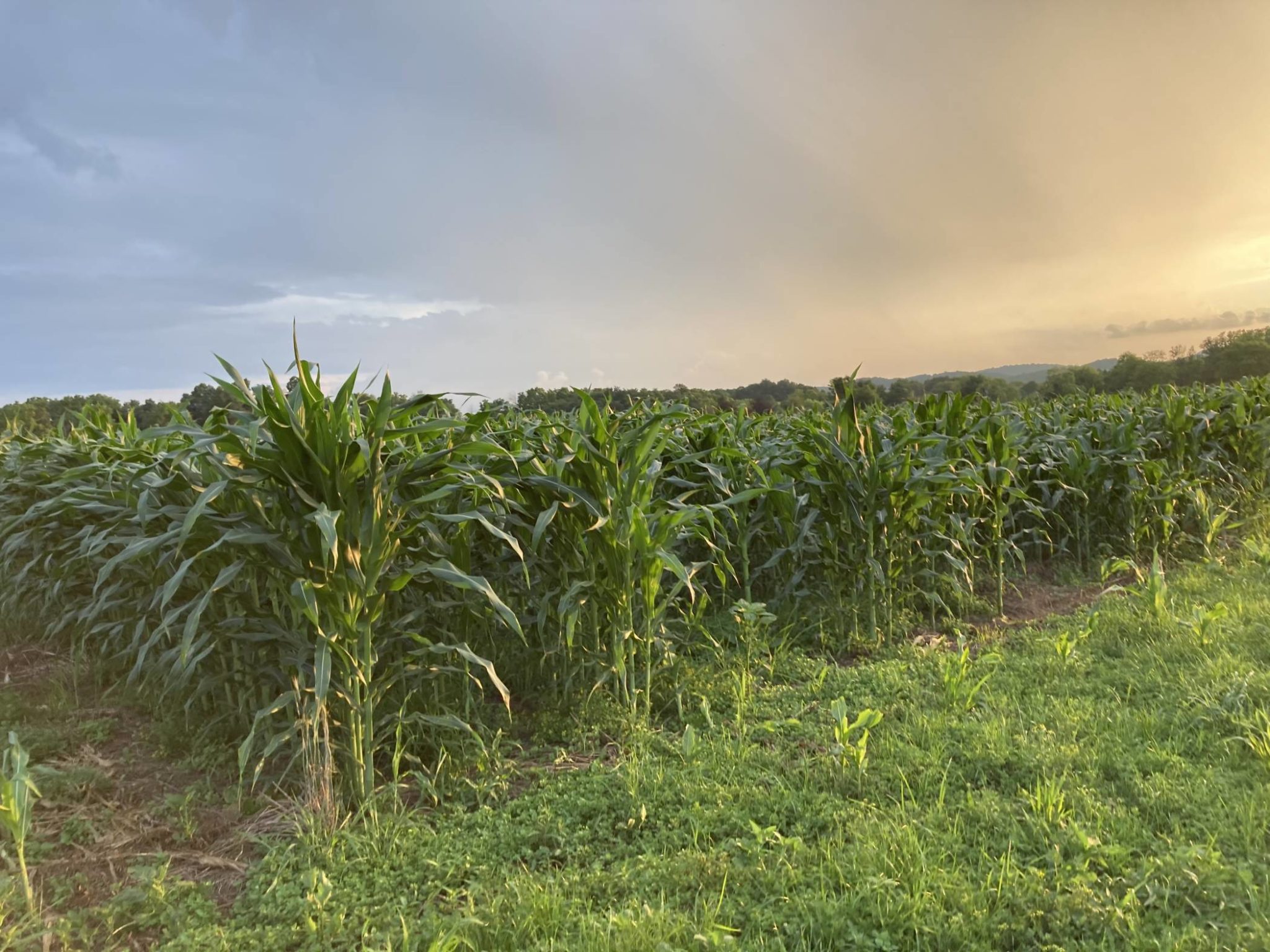
PermaNews Brief
Key Takeaways
Organic no-till methods using cover crops effectively control weeds and maintain corn yields similar to conventional tillage, offering economic and environmental benefits.
- Organic no-till matches conventional tillage for corn yield.
- Weed suppression is superior with no-till cover cropping.
- Roller-crimper terminates cover crops, enabling direct planting.
- Reduced labor, fuel, and synthetic herbicide inputs.
- Improved profitability and soil resilience are key benefits.
Why It Matters
Adopting organic no-till practices can significantly improve farm profitability and environmental sustainability, contributing to healthier farming systems.
What to Do Next
Explore local resources for cover crop varieties suitable for roller-crimping or planting into living covers.
Recommended for: Farmers seeking to transition to or improve organic no-till systems for grain production, especially corn, while enhancing soil health and reducing costs.
This on-farm trial conducted by Rodale Institute demonstrates the practical viability of cover crop-based organic no-till systems for commercial grain production. The research, part of a USDA NRCS Conservation Innovation Grant project, tested innovative weed management and soil health approaches on an organic dairy farm in Kutztown, Pennsylvania, focusing on corn production without conventional tillage-based weed control.
The trial compared three distinct management approaches: roller-crimper (RC) treatment, planting into living cover (PLC), and traditional plow and cultivate (PC) methods. Results showed that both RC and PLC treatments achieved significantly superior weed suppression compared to conventional tillage, with substantially less weed biomass. Critically, there was no difference in weed density, leaf nutrient content, or corn silage yield across treatments, demonstrating that organic no-till systems can effectively control weeds while maintaining nutrient availability and productivity equivalent to standard organic tillage practices.
The roller-crimper implement, invented at Rodale Institute, mechanically terminates cover crops in a single tractor pass, allowing seeds to be planted directly into the cover crop mulch. This approach eliminates the need for synthetic herbicides while reducing labor and fuel inputs compared to traditional cultivation methods. The cash crop then grows directly through the cover crop residue, which provides mulch benefits and soil protection.
Beyond agronomic performance, the trial documented significant economic and environmental advantages. The robust results provide evidence to farmers of the feasibility of these innovative systems and the potential to improve profitability, reduce nitrogen losses to the environment, and improve long-term soil resilience. The trial attracted substantial attention during Rodale Institute's Annual Organic Field Day in July 2019, indicating strong farmer interest in scaling these practices. The research demonstrates that organic no-till is not merely theoretical but operationally viable at commercial scale with measurable benefits for soil health, environmental stewardship, and farm economics.
Source: rodaleinstitute.org
Related Analysis
- High-Salt Fertilizers Block Soil Microbes, Kempf Says — High-salt fertilizers disrupt soil microbes and microbial colonization, trapping farmers in chemical dependency. Biologi…
- Fertilizer Shortage Forces Reckoning on Nitrogen Sources — Fertilizer supply crisis drives farms toward nitrogen-fixing cover crops, compost, and legume rotations as alternatives.
Related on PermaNews
- Ernst Götsch's Cacao Syntropy: Master Agroforestry Now (How-To Guide)
- Designing Regenerative Resilience: Participatory Living Labs (How-To Guide)
- Lo—TEK: Indigenous Tech for Climate Solutions (Article)
- Nakivale's Regenerative Toilets: Refugee Resilience, Circular Sanitation (Case Study)
- Pippin Home Designs: Regenerative Home Design Explained (How-To Guide)
- Federal Policy Shift: Native Regenerative Ag for Soil & Carbon (Article)
Explore more in Food Systems & Growing — the full hub for this knowledge area.