Asparagus: Seed or Crown? No-Dig Growing Guide
By Charles Dowding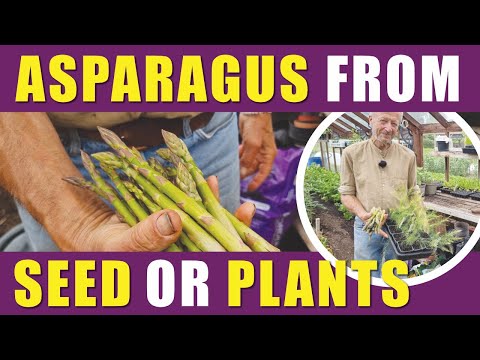
PermaNews Brief
Key Takeaways
Cultivating perennial asparagus provides abundant harvests for decades, with no-dig methods enhancing soil health and yield.
- Asparagus is a rewarding, long-term perennial crop.
- No-dig planting enriches soil and suppresses weeds.
- Grow from seed for economy, crowns for quicker harvest.
- Seedlings need indoor start and hardening off.
- Proper soil pH and drainage are crucial for success.
Why It Matters
Asparagus offers a sustainable solution for continuous food production, reducing annual planting efforts and improving garden ecosystem health through no-dig practices.
What to Do Next
Prepare a no-dig bed with rich organic matter for planting asparagus crowns or seedlings.
Recommended for: Home gardeners and permaculturists interested in establishing productive, low-maintenance perennial food systems.
Asparagus, a perennial vegetable, offers a rewarding harvest for many years once established, making the initial effort worthwhile. The plant thrives in well-drained soil and a sunny location, ideally with at least six hours of direct sunlight daily. While it can be grown from seed, which is a more economical option, it requires patience as the first harvest typically occurs in the third year. Growing from crowns, which are one-year-old root systems, accelerates the process, allowing for a small harvest in the second year.
When starting from seed, it's beneficial to sow them indoors in early spring, around February or March, in trays or modules. A good quality seed compost is recommended. Once the seedlings have developed a few true leaves and are robust enough, they can be transplanted into larger pots, such as 3-inch containers. This indoor growing period allows the young plants to establish a strong root system before being moved outdoors. Hardening off the seedlings is crucial before permanent planting to acclimate them to outdoor conditions. This involves gradually exposing them to increasing periods of outdoor air and sunlight over a week or two.
For outdoor planting, whether from seed-grown plants or crowns, a no-dig approach is highly beneficial for asparagus. This method involves preparing the bed by laying down a thick layer of organic matter, such as well-rotted compost, directly onto the existing soil or grass. This enriches the soil, improves drainage, and suppresses weeds without disturbing the soil structure. Asparagus prefers a slightly alkaline to neutral soil pH, so a soil test can be helpful to determine if any amendments are needed. If the soil is too acidic, adding some lime can help adjust the pH.
When planting crowns, dig a trench about 6-8 inches deep and 12 inches wide. Create a small mound of soil or compost at the bottom of the trench for each crown. Spread the roots of the crown over this mound, ensuring they are evenly distributed. Then, cover the crown with about 2-3 inches of soil or compost, leaving the growing tips exposed. As the plant grows, gradually fill in the trench with more soil or compost until it is level with the surrounding ground. This gradual mounding encourages stronger root development. Space crowns about 12-18 inches apart within the row, and allow 3-5 feet between rows to ensure adequate air circulation and space for growth.
For seed-grown plants, once they are hardened off and the risk of frost has passed, they can be planted directly into the prepared no-dig bed. Dig a small hole for each plant, ensuring it's deep enough to accommodate the root ball. Gently place the plant in the hole, backfill with soil or compost, and firm lightly around the base. Maintain similar spacing as with crowns.
Consistent watering is essential, especially during the first year of establishment and dry periods. Asparagus plants are heavy feeders, so regular top-dressing with compost or other organic fertilizers will support their growth and productivity. Weeding is also important, particularly in the early stages, as young asparagus plants can be easily outcompeted by weeds. The no-dig method, with its thick layer of mulch, significantly reduces weed pressure.
Patience is key with asparagus. During the first year after planting crowns or the first two years after planting seeds, it's generally recommended not to harvest any spears. This allows the plant to put all its energy into developing a strong root system, which will support abundant harvests in subsequent years. In the second year (for crowns) or third year (for seeds), a light harvest can be taken for a few weeks. From the third year onwards, a full harvest can typically be enjoyed for 6-8 weeks in spring. When harvesting, snap or cut the spears when they are about 6-8 inches tall, just above the soil line. Stop harvesting when the spears become thin
Source: youtube.com
Related Analysis
- Research Flips Silvopasture Case From Ecological to Economic — A June 2026 study quantifies silvopasture's economic and ecological returns for dairy farms in the eastern US, giving pr…
- Food Forest Courses Shift From Theory to Build-Ready Skills — Several food forest courses now open with site assessment and guild-building rather than design theory, suggesting a dev…
Related on PermaNews
- Unlock Amazing Soil: Compost & No-Dig for Any Space (Video)
- Year-Round Harvest: The 6-Month Storage Perennial Vegetable (Video)
- Year-Round Garlic: Perennial Allium Sativum Harvests! (Video)
- Robin Greenfield: No-Dig Food Forest from Scratch (How-To Guide)
- April-Garten: Spargel, Rhabarber, Gurken & Melonen säen (Video)
- Perennial Veggies: Easy, Continuous Harvests (#Permaculture) (Video)
Explore more in Food Systems & Growing — the full hub for this knowledge area.