Build Your Own Earthship: Earthship Academy 2024 Training Guide
By Heiko Lampe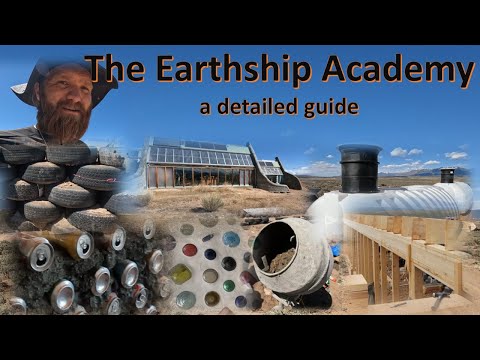
PermaNews Brief
Key Takeaways
This training video offers practical insights into earth-based construction techniques for builders.
- Focus on adobe and plaster mixture ratios
- Keep adobe and plaster separate
- Materials impact workflow and organization
- Learning from experienced instructors
- Handling different applications distinctly matters
Why It Matters
Understanding material behavior is crucial for effective natural building, especially for avoiding common mistakes in earthship construction.
What to Do Next
Watch the video for detailed guidance on building techniques.
Permaculture Context
For permaculture practitioners, the real significance of this kind of hands-on training lies in closing the gap between design principles and embodied craft. Understanding that adobe and plaster behave differently at a material level — requiring distinct water ratios, tools, and sequencing — is exactly the type of granular knowledge that separates a finished wall that lasts decades from one that cracks and fails within a season. Earthship construction sits at the intersection of passive solar design, water harvesting, and natural building, which means practitioners are often managing several technical systems simultaneously. Knowing where each material has its own logic helps you avoid the costly mistake of treating earthen building as a single undifferentiated process. For anyone working toward genuine household resilience — particularly off-grid or in climate-vulnerable regions — this kind of material literacy reduces dependence on contractors and proprietary systems. It also deepens your relationship with local soils and resources, which is foundational to regenerative living in the truest sense. Competence in earthen finishing is not a niche skill; it is leverage toward lasting self-sufficiency.
Recommended for: Builders interested in practical skills for earth-based projects.
This video appears to be a technique-focused training recording from Earthship Academy, and the excerpt in the search results shows that it includes direct instruction on earth-based construction steps rather than broad promotional content. In the visible segment, the presenter discusses Adobe and plaster mixtures, including a ratio of two parts sand to one part clay, and stresses an important workflow detail: adobe and plaster should be kept separate because they use different water content and different tools. That distinction is practically useful for builders because it affects material preparation, batching, consistency, and job-site organization. The video therefore seems relevant not merely as inspiration but as a skills-oriented resource for people learning earthen finishing systems and possibly earthship-related wall work. Even though the search result does not expose the entire structure of the talk, the transcript snippet indicates hands-on teaching and iterative demonstration, which are common markers of a substantive workshop recording. For someone working on natural building, the likely value lies in seeing how an experienced instructor explains material behavior, mix ratios, and sequencing, especially where different earthen applications must be handled separately. The source is also relevant because Earthship construction often combines several natural building methods, including earth-filled tires, adobe, and plastering, so a training video that explains one of those core systems can help builders avoid common mistakes. The clearest practical insight in the excerpt is that material segregation and tool discipline matter as much as the mix recipe itself. That makes the recording useful for learners who need specific, repeatable guidance rather than general design theory.
Source: youtube.com
Related Analysis
- Heat Pump vs Wood Heat: Real Install and Running Costs for Rural Homes — For a rural or off-grid cabin in the US, a single-zone cold-climate air-source heat pump (mini-split) costs $3,500–$7,00…
- Community Microgrid Cost Per Household: $8,000–$18,000, Payback 7–14 Years — A hybrid solar-plus-storage community microgrid serving 8–20 households in the US costs roughly $8,000–$18,000 per house…
Related on PermaNews
- Explore the Permaculture Design Certificate Course for Sustainable Living (How-To Guide)
- 2025: Rocket Mass Heaters in PHI-Certified Earthship Tiny Homes (Case Study)
- Earthship Retrofits: PHI Standards & Regenerative Guide 2025 (Case Study)
- Mud Magic: Get Plastered (Event)
- The Resurgence of Natural Building Materials in High-End Homes (Article)
- Häuser bauen mit Stroh und Lehm – Workshop zu Strohballenbau und Lehmputz auf Stroh (Event)
Explore more in Shelter, Energy & Infrastructure — the full hub for this knowledge area.