Indoor Herb Garden: 3 Top Home Remedy Herbs Revealed
PermaNews Brief
Key Takeaways
Grow medicinal herbs indoors to create your own effective home remedies.
- Peppermint aids digestion and relieves headaches.
- Chamomile promotes relaxation and better sleep.
- Indoor herbs offer aesthetic and health benefits.
- Easy access to fresh herbs for home remedies.
- Growing herbs indoors is a rewarding practice.
Why It Matters
Cultivating medicinal herbs at home provides immediate access to natural remedies and enhances self-sufficiency for minor ailments, reducing reliance on external products.
What to Do Next
Start growing a peppermint plant in a sunny spot indoors.
Recommended for: Individuals seeking accessible, natural health solutions and a deeper connection to their well-being through home cultivation.
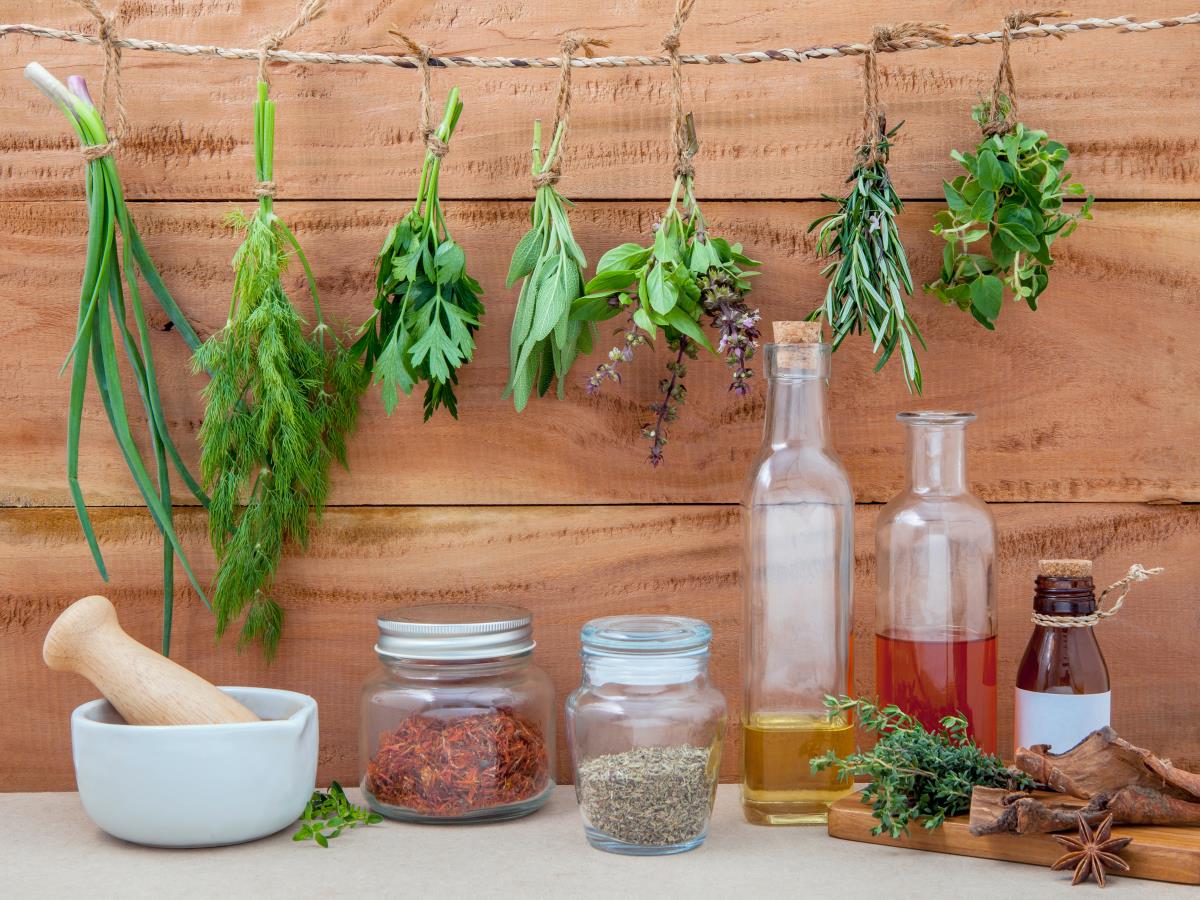
Indoor herb cultivation has gained considerable popularity, offering both aesthetic appeal and practical benefits, particularly for creating natural home remedies. For those interested in establishing an indoor garden, focusing on specific herbs known for their medicinal properties can be a rewarding starting point.
One highly recommended herb for indoor cultivation is peppermint. This versatile plant is relatively easy to grow indoors, thriving in containers with adequate light and consistent moisture. Peppermint is widely recognized for its digestive aid properties. A common application involves preparing a tea from its leaves, which can help alleviate symptoms of indigestion, bloating, and gas. The menthol content in peppermint is believed to relax the muscles of the digestive tract, contributing to its soothing effects. Beyond digestion, peppermint tea can also be beneficial for easing headaches, particularly tension headaches, due to its muscle-relaxing qualities. Furthermore, the aromatic properties of peppermint can act as a natural decongestant, making it useful for addressing symptoms of colds and allergies when inhaled as a vapor or consumed as a tea. Its refreshing scent can also be uplifting and help reduce feelings of nausea.
Another excellent choice for an indoor herb garden is chamomile. This delicate herb is known for its calming and anti-inflammatory properties, making it a staple in natural medicine. Chamomile plants are relatively compact and can flourish indoors with sufficient sunlight and well-draining soil. The flowers are the primary part used for medicinal purposes. A popular home remedy involves brewing chamomile tea, which is widely consumed to promote relaxation and improve sleep quality. The compounds in chamomile, such as apigenin, are thought to bind to specific receptors in the brain, inducing a mild sedative effect. In addition to its sleep-inducing benefits, chamomile tea can also help soothe an upset stomach and reduce inflammation, making it useful for conditions like irritable bowel syndrome or menstrual cramps. Topically, a cooled chamomile tea compress can be applied to irritated skin to alleviate redness and itching.
Finally, lavender stands out as a valuable addition to an indoor herb collection. While often associated with outdoor gardens, certain varieties of lavender can be successfully grown indoors, provided they receive ample sunlight and good air circulation. Lavender is celebrated for its distinctive fragrance and its calming and antiseptic qualities. The essential oils derived from lavender are particularly potent. For home remedies, dried lavender flowers can be used to create soothing teas that help reduce anxiety and promote relaxation. The aroma of lavender is well-known for its stress-reducing effects; a sachet of dried lavender near the bed can aid in sleep. Furthermore, lavender possesses mild antiseptic and anti-inflammatory properties. A diluted lavender infusion can be used as a gentle skin wash for minor cuts, scrapes, or insect bites, helping to cleanse the area and reduce discomfort. Its pleasant scent also makes it a natural air freshener.
In summary, cultivating an indoor herb garden with peppermint, chamomile, and lavender offers a convenient way to access natural remedies. These herbs provide a range of benefits, from aiding digestion and promoting sleep to reducing inflammation and easing stress, all while adding a touch of nature to the home environment. Their ease of growth indoors makes them ideal for beginners looking to explore the world of herbal home remedies.
Source: urbanfarmonline.com
Related Analysis
- Regenerative Farmers Flip Cover Crop Logic From Compliance to Profit — Practitioner accounts and a new meta-analysis suggest cover cropping is being reframed from conservation practice to pro…
- Farmers Convert Six Weeks of Rhubarb Into 25-Year Supply — Initial signals suggest a rhubarb preservation technique can extend a brief seasonal harvest into 25 years of storage—a …
Related on PermaNews
- Full Garden Tour For May 2026! GROWING 99% Of Our Fresh Food In Containers (Video)
- The Chicken Tractor That Does EVERYTHING (Free Plans) (Video)
- It's Priceless Eating What You Grow. We Grow Food In Containers On The Rocks All Year Round (Video)
- Re- landscaping corporate campuses into edible landscapes , if you are interested to start a project (Video)
- Ep. 424: 10 Free Feeds from Waste – Permaculture for Meat (Podcast)
- GrowTree Organics: Empowering Community Food Production (Video)
Explore more in Food Systems & Growing — the full hub for this knowledge area.