Resilient Outdoor Kitchen Countertops: Material Choices for Elements
By Ricardo Orlando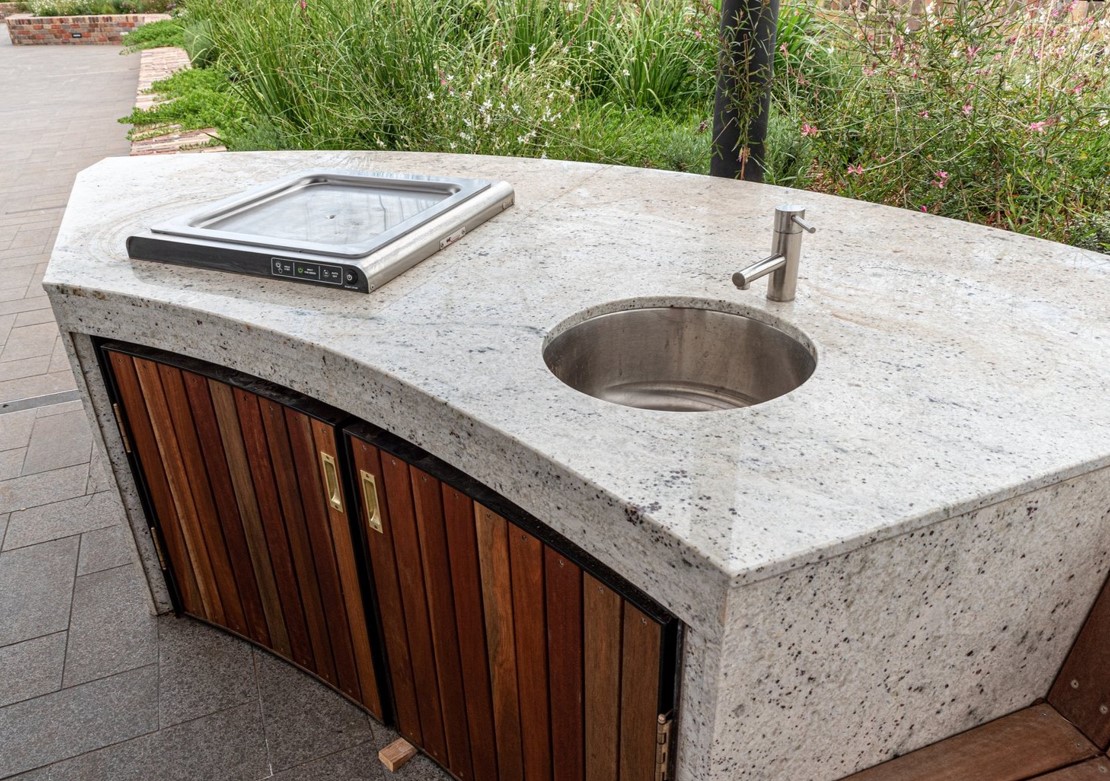
TL;DR: Selecting the right outdoor kitchen countertop material is crucial for durability and longevity against environmental factors.
- Choose materials resistant to sun, moisture, and temperature changes.
- Granite offers durability but needs regular sealing to prevent stains.
- Soapstone is non-porous and stain-resistant, developing a unique patina.
- Concrete provides customization but requires sealing and may crack over time.
Why it matters: The material choices for outdoor kitchen countertops directly impact their lifespan and ability to withstand weather and regular use.
Do this next: Research the specific climate considerations for countertop materials in your region.
Recommended for: Homeowners planning or upgrading an outdoor kitchen who want to make informed material choices for long-term durability.
Designing an outdoor kitchen necessitates careful consideration of material choices, particularly for countertops, given their constant exposure to environmental stressors. These surfaces must endure sunlight, moisture, fluctuating temperatures, and potential wear and tear from regular use. The longevity and functionality of an outdoor kitchen largely depend on selecting a countertop material that is well-suited to the local climate and the homeowner's lifestyle.
One popular and highly durable option is natural stone, such as granite. Granite is renowned for its hardness, resistance to scratches, and ability to withstand high temperatures, making it ideal for areas near grills. It is also relatively impervious to UV radiation, preventing fading over time. However, granite is a porous material and requires periodic sealing to prevent staining from food spills, oils, and other liquids. Without proper sealing, it can absorb moisture, leading to mold or mildew growth in humid environments. Regular cleaning with appropriate stone cleaners is also essential to maintain its appearance.
Another robust natural stone choice is soapstone. Soapstone is non-porous, meaning it doesn't require sealing and is naturally resistant to stains and bacteria. It also possesses excellent heat resistance. Unlike granite, soapstone develops a natural patina over time, darkening and acquiring a unique character, which some homeowners find appealing. While durable, it is softer than granite and can be susceptible to scratches, though these can often be buffed out.
Concrete countertops offer a customizable and contemporary aesthetic. They are incredibly strong and can be cast in various shapes, sizes, and colors. Concrete is also highly heat resistant. However, like granite, concrete is porous and requires sealing to prevent staining and moisture absorption. It can also develop hairline cracks over time due to temperature fluctuations, though these are often cosmetic and do not compromise structural integrity. Regular maintenance, including re-sealing, is crucial for concrete.
Stainless steel is a practical and hygienic choice, often seen in professional kitchens. It is non-porous, resistant to heat, stains, and bacteria, and very easy to clean. Its sleek, modern appearance complements many outdoor kitchen designs. The primary drawbacks of stainless steel are its susceptibility to scratches and dents, and it can become quite hot to the touch in direct sunlight. Fingerprints and smudges are also more visible on stainless steel surfaces.
Porcelain slabs are gaining popularity for outdoor applications due to their exceptional durability. They are non-porous, highly resistant to scratches, stains, heat, and UV radiation. Porcelain is also lightweight compared to natural stone, making installation potentially easier. It comes in a vast array of colors and patterns, including those that mimic natural stone or wood. The main consideration with porcelain is that while the surface is incredibly hard, the edges can be more prone to chipping if struck forcefully.
Recycled glass countertops offer an eco-friendly and visually striking option. They are made from crushed recycled glass embedded in a resin binder. These countertops are non-porous, stain-resistant, and relatively durable. They can withstand moderate heat but may not be as heat-resistant as natural stone or porcelain. The aesthetic appeal of recycled glass lies in its unique, often sparkling appearance. However, the resin binder can be susceptible to UV degradation over extended periods, potentially leading to discoloration or brittleness if not specifically formulated for outdoor use.
Ultimately, the selection of an outdoor kitchen countertop material involves balancing aesthetic preferences with practical considerations of durability, maintenance, and climate suitability. Each material presents a unique set of advantages and disadvantages, and understanding these characteristics is key to creating a long-lasting and enjoyable outdoor cooking and entertaining space.