Cob Home Off-Grid: Self-Built Sustainable Living
By Exploring Alternatives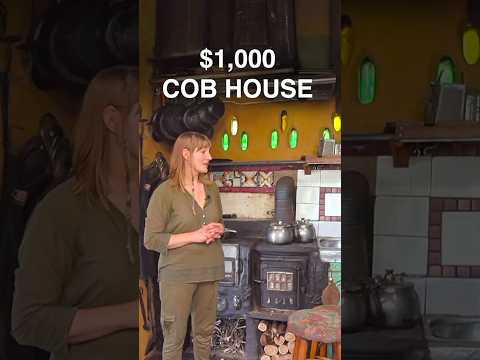
TL;DR: A couple demonstrates self-sufficiency and reduced ecological impact by living off-grid in a handmade cob home.
- Cob houses use natural, local materials.
- Off-grid living promotes self-sufficiency.
- Solar power provides renewable electricity.
- Rainwater harvesting supplies household water.
- Mindful consumption reduces energy use.
Why it matters: Embracing natural building methods and off-grid systems significantly lowers environmental impact and living costs.
Do this next: Research local cob building workshops or resources to learn natural construction techniques.
Recommended for: Anyone interested in natural building, off-grid living, or increasing their self-sufficiency and reducing their ecological footprint.
This video showcases a couple's experience living off-grid in a self-built cob home, highlighting the practicalities and philosophies behind their lifestyle choice. The dwelling itself is a testament to natural building techniques, constructed primarily from a mixture of clay, sand, and straw. This method, known as cob, is celebrated for its low environmental impact, affordability, and excellent thermal mass properties, which help regulate indoor temperatures naturally throughout the year.
The couple's journey began with a desire for greater self-sufficiency and a reduced ecological footprint. They explain that the decision to build with cob was driven by both economic considerations and a commitment to sustainable living. Traditional construction materials often come with high costs and significant embodied energy, whereas cob utilizes readily available, local resources, minimizing transportation and manufacturing impacts. The hands-on nature of cob building also allowed them to invest their own labor rather than relying heavily on expensive contractors, making the project more accessible financially.
Their off-grid setup extends beyond the house itself. They detail their independent power system, which primarily relies on solar panels. This renewable energy source provides electricity for their basic needs, including lighting, charging devices, and operating essential appliances. They emphasize the importance of energy conservation in an off-grid context, explaining how they've adapted their routines and choices to minimize power consumption. This often involves using energy-efficient appliances, line-drying laundry, and being mindful of peak usage times.
Water management is another critical aspect of their off-grid existence. They discuss their rainwater harvesting system, which collects precipitation from the roof and stores it in tanks. This water is then filtered and used for all household purposes, including drinking, cooking, and bathing. They also touch upon their greywater system, which reuses water from sinks and showers for irrigation, further conserving this precious resource. Composting toilets are employed to manage human waste, eliminating the need for a conventional septic system and returning nutrients to the soil.
The couple also delves into their approach to food production. They maintain a substantial garden, growing a significant portion of their own fruits and vegetables. This not only provides fresh, organic produce but also reduces their reliance on external food systems and minimizes their carbon footprint associated with food transportation. They discuss various gardening techniques, including companion planting and soil building, which contribute to a thriving and resilient food supply.
Beyond the technical aspects, the video explores the lifestyle implications of living off-grid in a self-built home. The couple speaks about the increased connection to nature, the satisfaction of self-reliance, and the sense of community that often develops among those pursuing similar paths. They acknowledge the challenges, such as the initial learning curve of natural building, the ongoing maintenance of off-grid systems, and the need for adaptability in the face of changing weather conditions. However, they consistently frame these challenges as opportunities for growth and problem-solving.
Ultimately, their story serves as an example of how intentional design and a commitment to sustainable practices can lead to a fulfilling and environmentally responsible way of life. They demonstrate that living off-grid in a self-built cob home is not just about survival, but about creating a harmonious relationship with the environment and fostering a deeper sense of independence.