7 Community Gardens Cultivating Resilience (U.S.)
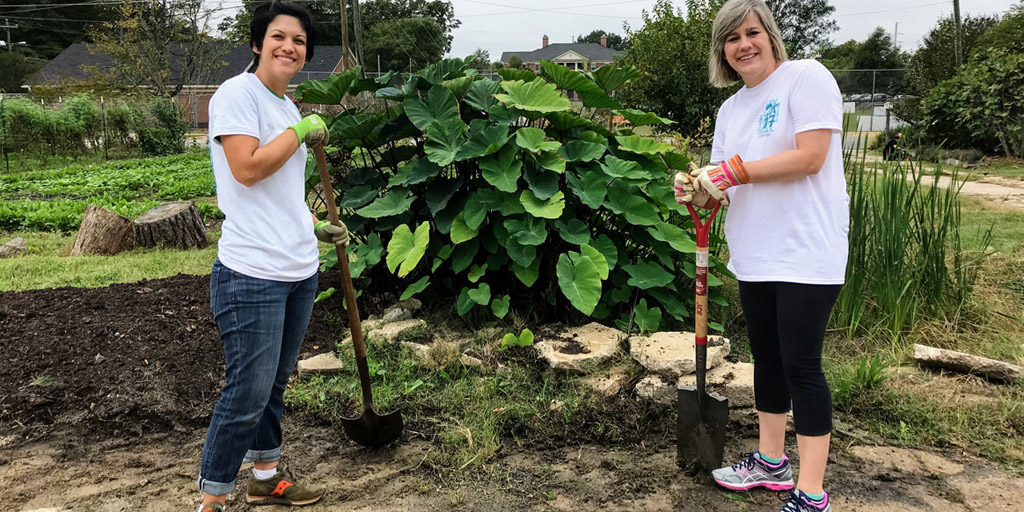
TL;DR: Community gardens across the US demonstrate permaculture principles, fostering resilience, self-sufficiency, and social connection through local food production.
- Local food systems enhance community resilience.
- Diverse models adapt to varied urban spaces.
- Volunteer engagement is crucial for success.
- Gardens offer education, health, and economic benefits.
- Free harvesting fosters community access to food.
Why it matters: Community gardens offer practical solutions for food security and localized food systems, directly impacting community well-being and environmental sustainability.
Do this next: Research local community gardens for volunteer opportunities or existing models in your area.
Recommended for: Community organizers, urban planners, educators, and individuals interested in creating or participating in local food initiatives.
This article profiles seven real-world community garden projects across the U.S. that exemplify resilience, self-sufficiency, and permaculture through hands-on food production and community building. In Inglewood, California, a 2011 campaign by local organizer Steele launched over 100 home box gardens for renters, evolving into seven large school and community gardens, including a 32-bed plot at Queen Park where community input guided crop selection for cultural relevance and nutritional needs. Unity Gardens in South Bend, Indiana, supports over 50 community gardens at churches, nonprofits, neighborhoods, and prisons on its 7-acre flagship site; these 'edible parks' allow free public harvesting with volunteer-led instruction on sustainable picking techniques to avoid plant damage, emphasizing no-sales models for pure community access. The Conetoe Family Life Center in North Carolina started a 2-acre youth gardening program in 2007 to combat poverty, expanding to five sites with 60+ child participants; half the harvest donates to needy families, while the rest funds the program via a local CSA, blending education, health services, and economic empowerment. Raleigh City Farm's 1.3-acre urban plot promotes 'dig where you live' with volunteer workdays, 'Wine and Weed Wednesdays' for casual weeding, and classes on gardening, foraging, pickling, plus yoga, fostering skill-sharing and relaxation. These cases demonstrate permaculture's core tenets—diverse, low-input systems yielding abundant food—while building social networks and food security. Practical details include volunteer coordination, seed/tool donations, site-specific planting, and event programming to maintain momentum. Challenges like urban space constraints are addressed through scalable models from home boxes to multi-acre farms, offering replicable blueprints for regenerative living. Insights reveal how gardens enhance resilience by localizing food systems, reducing reliance on industrial supply chains, and nurturing intergenerational knowledge transfer, with measurable impacts like poverty alleviation and health improvements.