2026 Garden Trends: Permaculture's Sustainable Future Unveiled
PermaNews Brief
Key Takeaways
Garden trends for 2026 prioritize ecological harmony, focusing on sustainability, biodiversity, and self-sufficiency through permaculture principles.
- Embrace wildlife-friendly practices for ecosystem health.
- Prioritize soil regeneration with no-dig and living mulches.
- Integrate edible and medicinal plants into ornamental designs.
- Utilize native plants for climate-adapted landscapes.
- Explore vertical gardening for small spaces.
- Implement water harvesting solutions like rain gardens.
- Foster community through shared gardening initiatives.
- Choose recycled and natural materials for structures.
Why It Matters
These trends offer practical ways for gardeners to contribute to environmental health, enhance food security, and build resilient landscapes in the face of climate change.
What to Do Next
Start by observing your garden to understand sun, wind, and water patterns before implementing new designs.
Recommended for: Gardeners, landscapers, and permaculture enthusiasts interested in future-proofing their outdoor spaces with sustainable and ecologically beneficial practices.
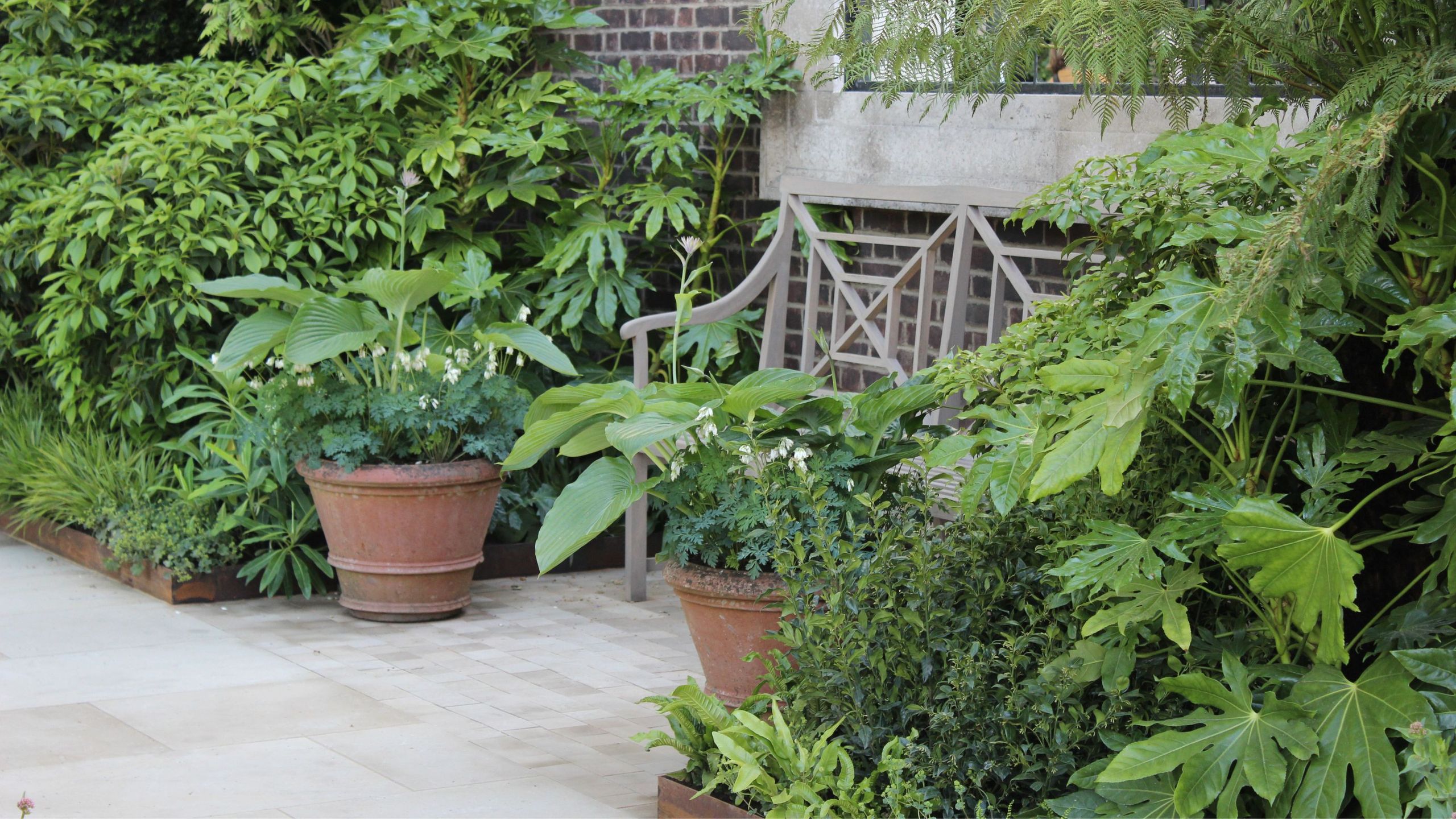
This forecast outlines key 2026 garden trends focusing on sustainability, biodiversity, and self-sufficiency, with strong permaculture influences. Wildlife-friendly gardening leads with nectar-rich plants to support pollinators and bird feeders for natural pest control, creating habitats that boost ecosystem health. Soft landscaping emphasizes soil regeneration through living mulches, no-dig methods, and permeable surfaces to reduce flooding and enhance water infiltration. Foraging gardens mimic permaculture by integrating edible and medicinal plants like borage, mint, dandelions, and herbs into ornamental designs, promoting abundance and reducing food miles. These trends shift from manicured lawns to functional, resilient landscapes that produce food while supporting wildlife. Designers predict increased use of native plants for low-maintenance, climate-adapted gardens that sequester carbon and improve biodiversity. Vertical gardening and living walls will expand edible yields in small spaces, incorporating climbers like peas and beans. Water-wise features, such as rain gardens and greywater systems, align with permaculture's water harvesting principles. Community gardens and shared plots will rise, fostering social connections and collective resource use. Materials trend toward recycled and natural elements, like reclaimed wood for raised beds and cob structures for permanence. Color palettes soften with pastels and earth tones, blending aesthetics with ecology. Technology integrates subtly, with solar-powered sensors for soil moisture and app-based planting guides. Challenges like climate variability are addressed through diverse, polycultural plantings that buffer against pests and weather extremes. Experts recommend starting small with observation zones to map sun, wind, and water patterns before scaling. These trends reflect a broader movement toward regenerative gardening, where beauty, productivity, and planetary health converge. Homeowners are encouraged to audit their yards for potential, replacing turf with guilds of fruit trees underplanted with herbs and berries. The forecast underscores permaculture's role in mainstream gardening, making sustainable practices accessible and stylish for 2026 and beyond.
Source: idealhome.co.uk
Related Analysis
- Colorado Beekeeper Lost 85% of Hives in 2021 — A Colorado beekeeper lost 85% of his hives in 2021. The sudden collapse raises questions about pesticide exposure in com…
- Bee Colony Losses Rise as Research Funding Declines — US beekeepers mobilize against colony losses and shrinking research budgets. Learn how apiarists are adapting to reduced…
Related on PermaNews
- Ernst Götsch's Cacao Syntropy: Master Agroforestry Now (How-To Guide)
- Finnish Off-Grid: Rocket Mass Heater Performance in Greenhouse (Case Study)
- Berlins schwimmende Gärten: Permakultur auf dem Wasser (Case Study)
- Rodale Report 2025: Thermal Mass Boost in Solar Greenhouses (Case Study)
- AUTarcaMatricultura La Palma: Permakultur & Energieautarkie (How-To Guide)
- Earthaven Ecovillage: 30 Years Off-Grid with Hydro & Solar (Video)
Explore more in Food Systems & Growing — the full hub for this knowledge area.