The Cooks Atelier: Beaune's Permaculture Kitchen Garden Journey
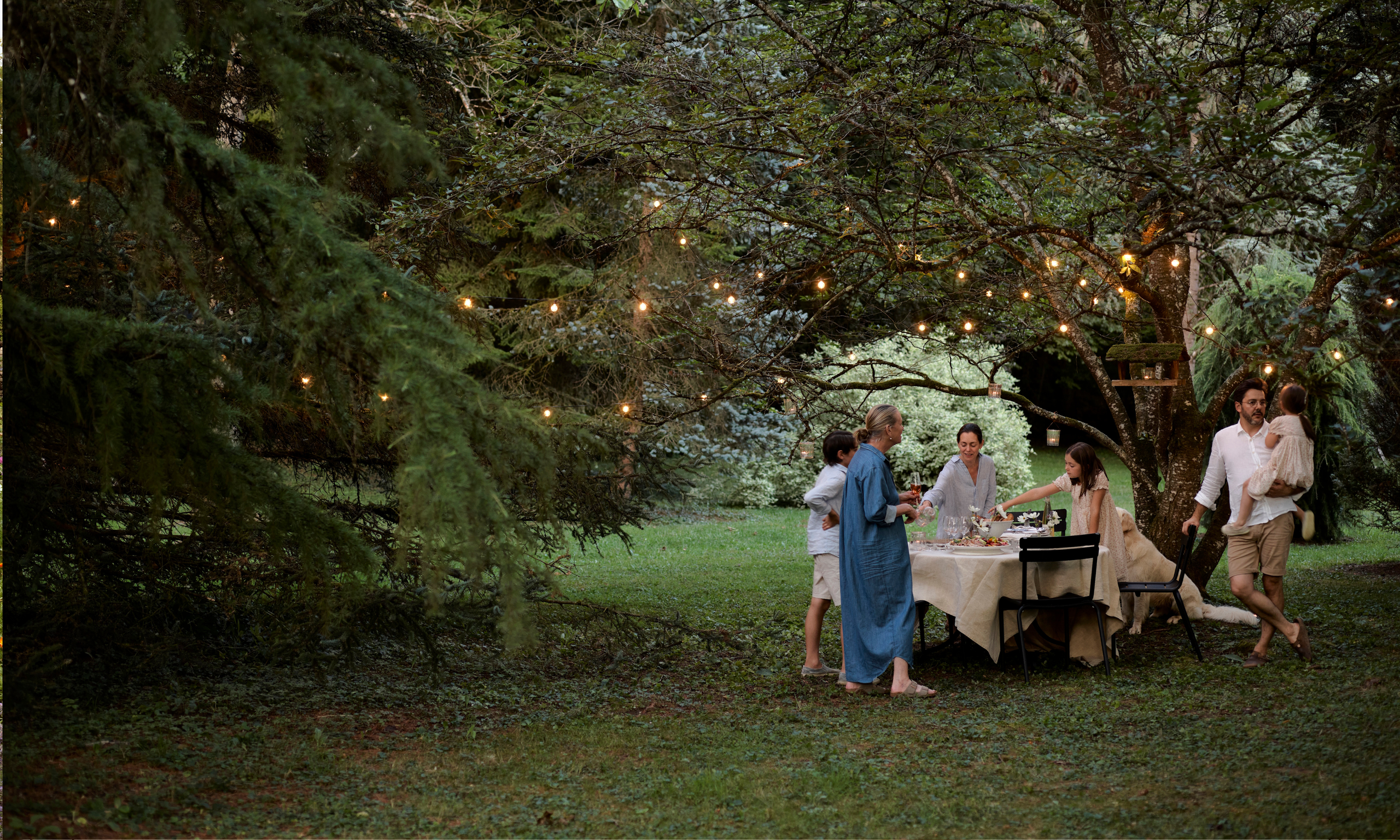
TL;DR: The Cooks Atelier transformed an ornamental garden into a productive permaculture kitchen garden in rural France, integrating diverse plants, permaculture principles, and hands-on education.
- The Cooks Atelier is a permaculture-inspired kitchen garden retreat in rural France.
- It emphasizes hands-on learning, companion planting, and biodiversity.
- The one-acre potager uses layered planting for maximum yields.
- Permaculture zoning prioritizes efficiency and accessibility.
- No-dig methods and composting improve clay soils.
- Wildlife integration boosts pollination and pest control.
- Workshops foster community and self-reliance skills.
Why it matters: This case study demonstrates how an ornamental garden can be successfully converted into a highly productive and educational permaculture system, offering a practical model for others.
Do this next: Start a compost system to improve soil health and reduce waste in your garden.
Recommended for: Anyone interested in establishing a highly productive, educational, and aesthetically pleasing permaculture kitchen garden.
This garden diary chronicles The Cooks Atelier, a permaculture-inspired kitchen garden retreat in rural Beaune, France, transformed by owners Marjorie Taylor and her daughters into a productive, educational haven emphasizing hands-on learning, companion planting, and biodiversity. The one-acre potager integrates fruit trees like cherries, apples, pears, apricots, plums, persimmons, and peaches alongside berries such as raspberries and currants, creating a food forest model that maximizes yields through layered planting. Permaculture principles guide the design: zones radiate from the central kitchen for efficient access, with high-maintenance annuals near the house and perennials farther out. Companion planting pairs pest-repelling herbs like basil and marigolds with vegetables to reduce chemical needs, while nitrogen-fixers like beans enrich soils. Seasonal activities include seed starting in spring using heirloom varieties for flavor and resilience, greenhouse propagation for tender starts, and summer successions for continuous harvest. Wooded nooks are enhanced with wildflowers, ferns, and seating to foster biophilia and relaxation. The garden supports the atelier's cooking school, supplying fresh produce for French-inspired classes on preservation like jams and pickles. Challenges like clay soils are addressed via no-dig methods, composting, and mulching with straw and leaves to build humus. Wildlife integration—bird baths, bat boxes, insect hotels—boosts pollination and pest control. Guests learn pruning techniques for espaliered trees, grafting, and creating microclimates with windbreaks. The diary illustrates permaculture's people care through community workshops, yielding not just food but skills for self-reliance. Aesthetic elements like gravel paths, espaliers, and pollinator borders blend beauty with function, proving small-scale regenerative agriculture viable in temperate climates. This case exemplifies transitioning ornamental gardens to edible landscapes while honoring local ecology and heritage.[4]