Stinging Nettle: Don't Avoid This Permaculture Powerhouse!
By Discover Permaculture with Geoff Lawton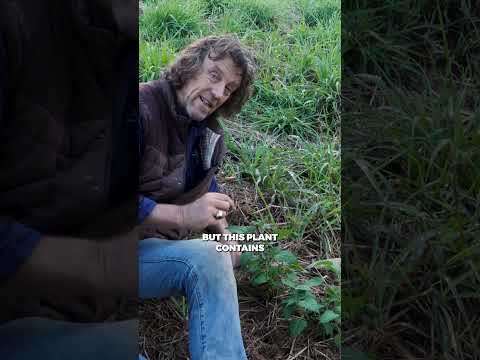
TL;DR: Stinging nettle is a versatile and beneficial plant for permaculture, improving soil, nourishing other plants, and supporting biodiversity.
- Nettle enriches compost and provides nutrient-rich liquid feed.
- It attracts beneficial insects, aiding natural pest control.
- Deep taproots improve soil aeration and water penetration.
- Nettle offers significant mineral and vitamin content.
- Utilize nettle to reduce reliance on synthetic fertilizers.
Why it matters: Integrating stinging nettle into your garden can significantly enhance soil health, boost plant growth, and foster a balanced ecosystem, reducing the need for chemical inputs.
Do this next: Steep nettle leaves in water to create a nutrient-rich liquid feed for your plants.
Recommended for: Gardeners and permaculture enthusiasts seeking sustainable methods to enrich their soil, deter pests, and enhance biodiversity.
Stinging nettle, often perceived as a nuisance due to its irritating hairs, is a plant with a surprising array of beneficial properties, particularly within permaculture and organic gardening contexts. Far from being a weed to be eradicated, it can be a valuable asset in a well-managed ecosystem.
One of the primary benefits of stinging nettle lies in its nutrient content. It is exceptionally rich in minerals such as iron, calcium, magnesium, and potassium, as well as vitamins A and C. This makes it a powerful soil amendment. When used as a compost activator, nettle helps to speed up the decomposition process, enriching the compost with its own high nutrient profile. Gardeners can also create a nutrient-rich liquid feed, often referred to as "nettle tea" or "nettle fertilizer," by steeping nettle leaves in water. This concoction, when diluted, provides a potent boost to other plants, promoting vigorous growth and improving their overall health and resilience. This natural fertilizer can reduce the reliance on synthetic inputs, aligning perfectly with organic gardening principles.
Beyond its direct nutrient contribution, stinging nettle plays a significant role in supporting biodiversity. It serves as a host plant for the larvae of several butterfly species, including the red admiral and peacock butterflies. By providing a habitat for these insects, nettle contributes to a healthier garden ecosystem, as butterflies are important pollinators. Furthermore, nettle patches can offer shelter and food for other beneficial insects, such as ladybugs and lacewings, which are natural predators of common garden pests like aphids. Integrating nettle into a garden design can therefore be a strategic move to encourage natural pest control.
From a soil health perspective, stinging nettle's deep taproot system is advantageous. It helps to break up compacted soil, improving aeration and water penetration. This action can contribute to better soil structure over time, making it easier for other plants to establish their root systems. The presence of nettle can also indicate fertile soil, as it tends to thrive in nitrogen-rich environments. Observing where nettle grows naturally can provide clues about the underlying soil conditions.
While its stinging hairs are a deterrent, they are also a key characteristic. These hairs contain formic acid and histamine, which cause the temporary irritation. However, with proper handling – wearing gloves and long sleeves – these issues can be easily mitigated. The plant is also edible for humans, particularly when young leaves are cooked, which neutralizes the sting. It can be used in soups, teas, and other culinary dishes, offering its rich nutritional benefits directly.
In a permaculture design, stinging nettle can be strategically placed in areas where its benefits can be maximized without causing inconvenience. For instance, it can be grown in dedicated "chop and drop" zones, where it is periodically cut down and left to decompose on the soil surface, returning its nutrients to the earth. It can also be incorporated into hedgerows or border plantings, where its presence can act as a natural barrier while still providing ecological benefits.
In summary, stinging nettle is a multifaceted plant that offers substantial advantages to organic gardeners and permaculture practitioners. Its high nutrient content makes it an excellent fertilizer and compost activator, while its role as a host plant and habitat for beneficial insects enhances biodiversity and natural pest control. Its deep roots improve soil structure, and its edibility adds another layer of utility. By understanding and embracing its beneficial qualities, gardeners can transform this often-maligned plant into a valuable ally in creating productive, resilient, and ecologically sound landscapes.