Adam Daugherty's Budget Grazing: Southern Indiana Soil Health
By Grazing Grass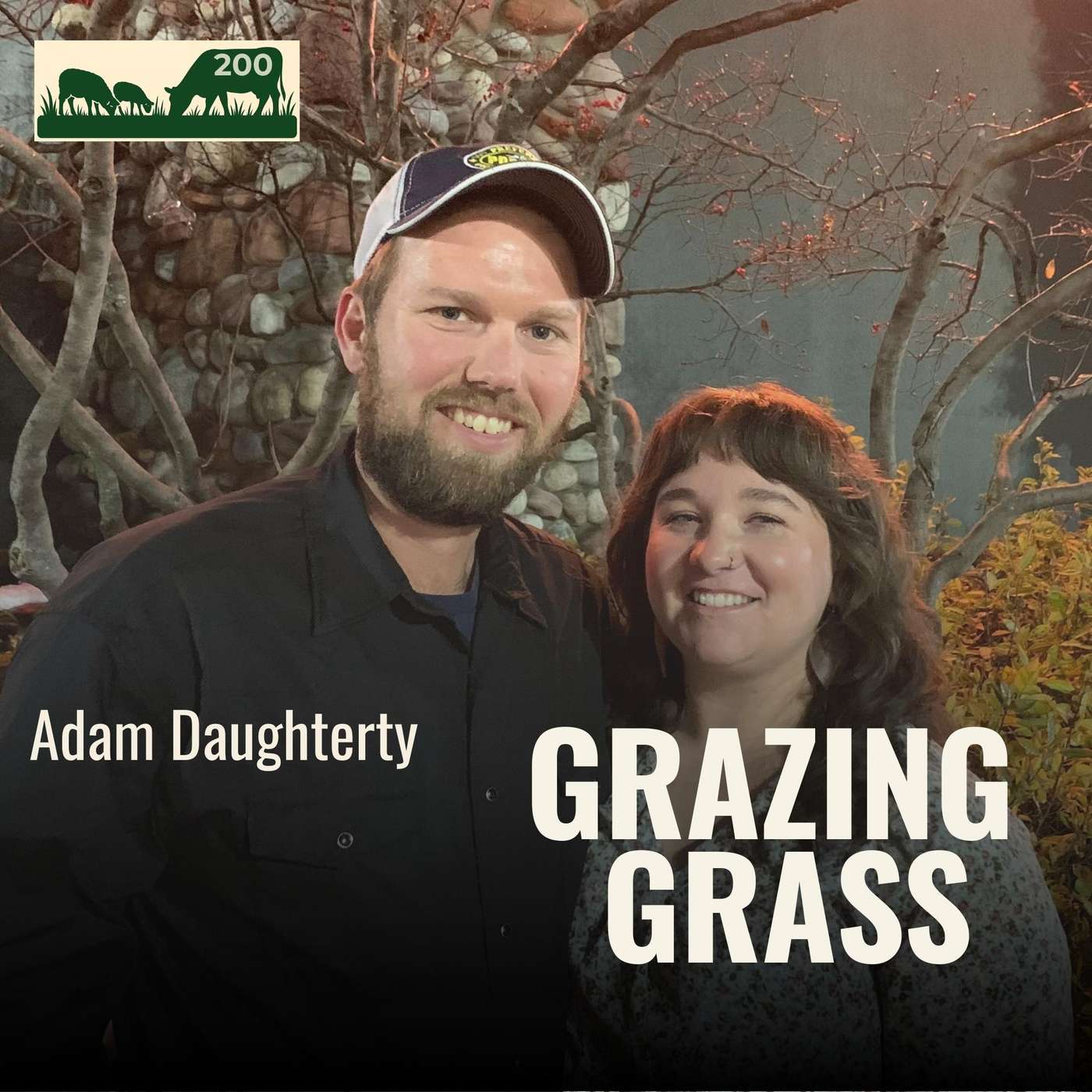
PermaNews Brief
Key Takeaways
A farmer successfully transitioned to rotational grazing with minimal resources, showcasing affordable infrastructure and improved pasture health.
- Rotational grazing boosts pasture health and forage.
- Low-cost fencing subdivides pastures effectively.
- Flexible water systems adapt to grazing needs.
- Strategic planning overcomes budget constraints.
- Family encouragement can drive farming innovation.
Why It Matters
Implementing rotational grazing with limited funds can significantly improve livestock operations and land health, offering a scalable model for farmers.
What to Do Next
Explore options for semi-permanent fencing using fiberglass posts and high-tensile wire for pasture subdivision.
Recommended for: Farmers and graziers interested in implementing rotational grazing efficiently and affordably.
The article details the journey of Adam Daugherty, a farmer from southern Indiana, who successfully implemented a rotational grazing system despite having limited time and financial resources. His experience highlights how practical, low-cost strategies can transform a livestock operation, making it a valuable case study for both new and experienced graziers.
Daugherty's venture into cattle farming began through a partnership with his grandfather and great-aunt. Initially, his approach to grazing was conventional, but a pivotal moment arrived when his brother-in-law encouraged him to explore rotational grazing. This shift in methodology proved to be a turning point for his operation, leading to significant improvements in pasture health and animal management.
A key aspect of Daugherty's success lies in his innovative and cost-effective infrastructure solutions. For subdividing pastures, he opted for semi-permanent fencing constructed from fiberglass posts and high-tensile wire. This choice provided a durable yet affordable alternative to more expensive fencing options, enabling him to create the necessary paddocks for rotational grazing without a substantial upfront investment.
Water management was another area where Daugherty demonstrated ingenuity. He started with a flexible system involving temporary pipelines and a movable water tank equipped with quick-connect valves. This allowed him to efficiently provide water to his cattle as they moved between paddocks. Over time, as his operation grew and resources became available, he upgraded to buried water lines, signifying a progression from initial low-cost solutions to more permanent infrastructure. The use of water hubs further streamlined his water distribution system.
The implementation of rotational grazing brought about several positive changes. Daugherty observed a noticeable improvement in pasture health, with increased forage production and biodiversity. The system also helped in reducing weed pressure, as the cattle's controlled grazing patterns prevented overgrazing in specific areas and allowed for pasture recovery. Furthermore, the behavior of his animals improved, likely due to the consistent access to fresh forage and the structured movement within the paddocks.
Winter feeding presented its own set of challenges, which Daugherty addressed with strategic planning. He utilized concrete pads for feeding, which helped in managing mud and waste. A significant part of his winter feeding strategy involved the unrolling of hay, a method that distributes hay across a larger area, reducing waste and encouraging more even consumption by the herd. He also emphasized the benefits of a "sacrifice paddock," a designated area used during adverse weather conditions or when pastures need extended rest. This approach prevents damage to healthy pastures by concentrating the herd in a smaller, more resilient area during critical times.
In terms of herd management, Daugherty focused on developing genetics within his family herd. He paid close attention to traits such as cow size and docility, aiming to breed animals that thrive on grass and are easy to handle. This focus on docility was particularly important given his need to manage the herd safely while also working an off-farm job.
His marketing strategy for calves involved preconditioning them and then selling directly to a local feedlot, bypassing traditional auction barns. This direct-to-feedlot approach likely offered better control over pricing and reduced stress on the animals.
Looking ahead, Daugherty has plans to further refine his operation. These include incorporating warm-season grasses into his pasture system to extend the grazing season, implementing tire-tank siphon systems for more efficient water delivery, and continuously refining his herd genetics to enhance productivity and adaptability.
Daugherty's story serves as an inspiring example for individuals who are balancing off-farm employment with agricultural pursuits. His ability to implement effective, low-cost solutions for fencing, water, and winter feeding demonstrates that rotational grazing is achievable even with limited time and budget constraints. His journey underscores the importance of adaptability, strategic planning, and a willingness to experiment in building a sustainable and profitable grazing operation. Resources such as local NRCS and Soil and Water offices, Graber Farm Supply, and Purdue’s Southern Indiana research farm (SIPAC
Source: podcast.grazinggrass.com
Related Analysis
- Food Forest Courses Shift From Theory to Build-Ready Skills — Several food forest courses now open with site assessment and guild-building rather than design theory, suggesting a dev…
- Practitioners Build Silvopasture Playbook Before Researchers Catch Up — A small but consistent set of signals from the Northeast U.S. shows farmers actively piloting silvopasture while formal …
Related on PermaNews
- Federal Policy Shift: Native Regenerative Ag for Soil & Carbon (Article)
- Nagaland's Jhum-Alder Agroforestry: Climate-Smart Farming (Article)
- Aboriginal Cool Burns: Permaculture's Ancient Fire Wisdom (Case Study)
- Crop Rotation Boosts Soil Biodiversity: Global Meta-analysis (Article)
- Revolutionizing Agriculture: People, Nature, & a Fertile Earth (Article)
- Twin Oaks Dairy Silvopasture Walk (Event)
Explore more in Food Systems & Growing — the full hub for this knowledge area.