Soul-Nourishing Gardens vs. Demanding Ones
By paul wheaton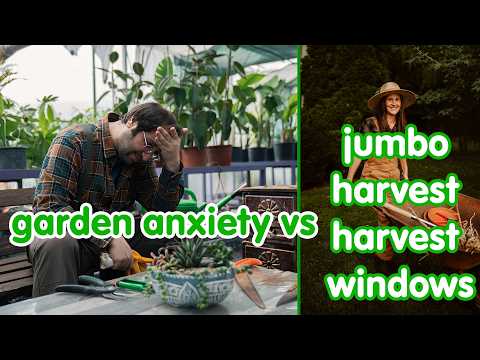
TL;DR: Soul-building gardens emphasize regenerative, low-maintenance systems that foster well-being, contrasting with high-effort, attention-demanding gardens.
- Design for regeneration and self-sustainability.
- Prioritize perennial systems like food forests.
- Minimize intervention through natural processes.
- Align plants with local climate and soil.
- Reduce continuous labor for long-term yields.
Why it matters: Understanding these gardening approaches can transform your relationship with your garden, shifting it from a chore to a source of enduring satisfaction and connection with nature.
Do this next: Consider incorporating perennial plants and natural systems into your garden design to reduce ongoing maintenance.
Recommended for: Gardeners seeking to reduce maintenance, enhance well-being, and apply permaculture principles to their outdoor spaces.
The article explores a distinction between two types of gardening experiences: those that contribute to one's well-being and those that become a source of stress and obligation. This differentiation is not about the specific plants grown or the size of the garden, but rather the gardener's approach and the resulting emotional impact.
One category, referred to as "soul-building gardens," encompasses practices that are inherently regenerative and self-sustaining. These gardens are designed with an understanding of natural processes, aiming to minimize human intervention over time. Key characteristics include the establishment of perennial systems, such as food forests, which, once mature, require significantly less daily or weekly maintenance compared to annual vegetable beds. The focus is on creating an ecosystem where plants thrive with minimal external inputs, relying on natural cycles for fertility, pest control, and water management. This approach often involves planting species that are well-suited to the local climate and soil conditions, reducing the need for constant adjustments or amendments. The act of tending such a garden becomes a more reflective and less demanding activity, fostering a sense of connection to nature and providing a consistent, low-effort yield. The satisfaction derived from these gardens stems from observing natural systems flourish and knowing that the effort invested yields long-term benefits without continuous, intensive labor.
Conversely, "attention-demanding gardens" are characterized by a higher level of ongoing commitment and potential for frustration. These often include traditional annual vegetable gardens, which, while productive, require consistent effort throughout the growing season. Tasks such as daily watering, frequent weeding, pest monitoring, and regular fertilization are common. If these tasks are neglected, the garden can quickly decline, leading to a sense of failure or guilt. This type of gardening can feel like a chore, especially when life circumstances or other commitments make it difficult to dedicate the necessary time. The pressure to maintain productivity and prevent crop loss can transform what should be a relaxing hobby into a source of stress. The article suggests that while these gardens can be rewarding, their inherent need for constant oversight can detract from the overall enjoyment and mental well-being of the gardener.
The author emphasizes that the goal is not to entirely abandon one type of gardening for another, but rather to cultivate a greater proportion of soul-building elements within one's gardening endeavors. This involves a shift in mindset and design principles. Instead of constantly battling nature, the aim is to work in harmony with it. This might mean gradually transitioning portions of a garden from annuals to perennials, incorporating more native plants, or designing systems that are inherently resilient. The long-term vision is to create a garden that provides sustenance and beauty without becoming an overwhelming burden. The article implicitly encourages gardeners to reflect on their own experiences and consider how their gardening practices contribute to or detract from their overall sense of peace and satisfaction. Ultimately, the distinction highlights the importance of designing and managing gardens in a way that supports both ecological health and human well-being.