Gabe Brown's Regenerative Revolution Transforms Texas Ranches
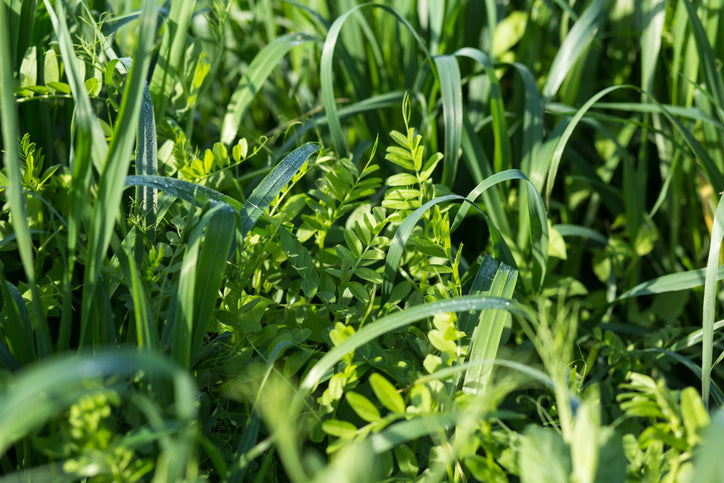
TL;DR: Regenerative ranching in Texas, inspired by Gabe Brown, uses adaptive grazing and diverse crops to build soil, increase biodiversity, and boost profits.
- Adaptive grazing transforms croplands.
- High-density, rotational grazing is key.
- Animals cycle nutrients, control brush.
- No-till and diverse covers protect soil.
- Diversified enterprises enhance resilience.
Why it matters: Regenerative practices can address environmental degradation and provide financial stability for farmers and ranchers.
Do this next: Research local resources and mentorship programs for adaptive multi-paddock grazing.
Recommended for: Ranchers and farmers seeking to transition to regenerative agriculture, improve land health, and increase financial resilience.
Gabe Brown's principles fuel a Texas regenerative revolution where farmers and ranchers integrate cattle into croplands via planned rotational grazing, leveraging animals to cycle nutrients, terminate cover crops, control brush, and regenerate soils without external inputs. This adaptive multi-paddock system uses high stock density in small, temporary paddocks with frequent moves—daily via solar-powered gates—for even manure distribution, residue trampling, and plant recovery periods exceeding a year. Brown's North Dakota model, now emulated statewide, combines no-till, diverse multi-species covers, and livestock across beef, sheep, poultry, and swine enterprises, achieving self-sufficiency, carbon sequestration, biodiversity boosts, and economic viability. Key practices: seed fall biennials into sod for resilient pastures, mix warm/cool-season species for year-round grazing, focus on flexible rotations over rigid stocking rates, and disrupt purposefully for system vigor. Outcomes include darker soils, superior water retention, reduced erosion, cleaner water, insect/wildlife support, and profitability surpassing conventional methods. Brown notes three years of change outpaced prior 25, emphasizing 'it's not the cow, it's the how.' Practitioners gain specifics: paddock sizes 1/6-2 acres, automatic daily shifts, integration post-harvest grazing for season extension, and 17-enterprise diversification for resilience. This Texas cropland focus provides actionable blueprint for nutrient cycling, brush management, and regenerative shifts, scalable with temporary fencing and minimal infrastructure.