Boost Garden Resilience: Crop Rotation for Soil & Yields
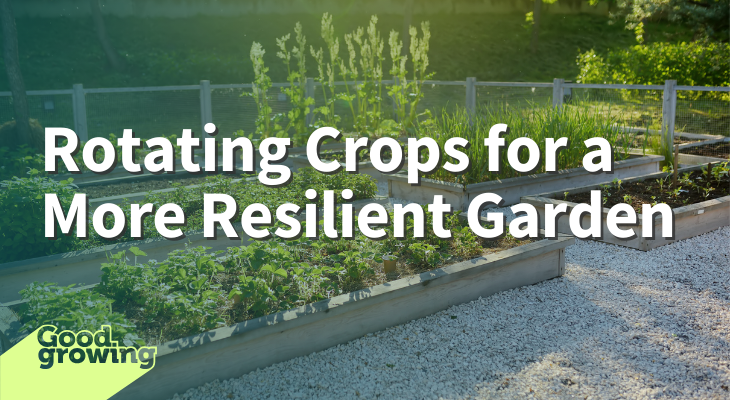
TL;DR: Implement a 3-4 year crop rotation cycle in your garden to naturally enhance soil fertility and reduce pest issues.
- Rotate plant families annually to disrupt pest and disease cycles.
- Use garden maps and logs to track plantings over several seasons.
- Group plants by family to simplify your rotation strategy.
- Benefit from improved soil health and plant nutrient uptake.
- Increase overall garden yields with healthier, more resilient crops.
Why it matters: Effective crop rotation is a fundamental permaculture practice that reduces reliance on external inputs while maintaining garden productivity and ecological balance.
Do this next: Map your garden beds and record current plant families to plan your next growing season's rotation.
Recommended for: Home gardeners looking to enhance garden resilience and productivity through ecological practices.
Published by University of Illinois Extension, this guide details crop rotation for home gardens, recommending 3-4 year intervals between same-family plantings to manage pests, boost fertility, and increase yields. It defines rotation as sequencing different families across garden areas, using logs/maps for tracking. Benefits encompass interrupting pest/pathogen lifecycles, preventing soil nutrient imbalances (e.g., Cucurbitaceae depleting nitrogen, Fabaceae replenishing it). Strategies involve separate beds grouped by families, rotating beds yearly. Practical for permaculture by promoting diversity and sustainability without chemicals, yielding healthier harvests.