Poaching Surge: Self-Sufficient Tanya Battles Trespassers
By Self Sufficient Homesteading & Gardening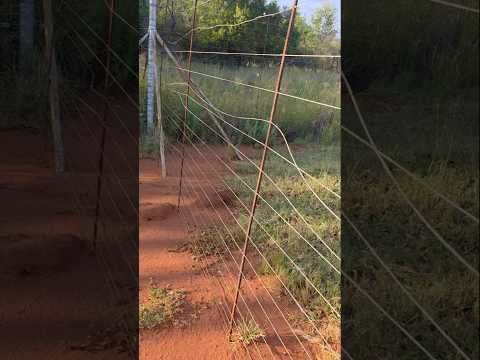
TL;DR: Poaching on private land disrupts self-sufficient homesteading efforts by unbalancing ecosystems and stealing resources.
- Poaching negatively impacts wildlife management and ecosystem balance.
- Resource theft undermines homesteading efforts and self-reliance.
- Property owners face challenges in deterring and apprehending poachers.
- Poaching has financial and emotional costs for homesteaders.
Why it matters: Poaching directly threatens the sustainability of self-sufficient homesteads, impacting both ecological health and personal resources.
Do this next: Review your property’s security measures and understand local regulations regarding land use and poaching.
Recommended for: Homesteaders and landowners seeking to protect their property and sustainably manage resources against external threats.
The article from Self Sufficient Homesteading & Gardening discusses the increasing problem of poaching, particularly as it relates to property owners and their efforts to manage wildlife and resources. The author highlights a growing trend of individuals trespassing onto private land to hunt or gather, often without permission and in violation of local regulations. This activity poses significant challenges for those striving for self-sufficiency, as it directly impacts their ability to sustainably manage their land and its resources.
One of the primary concerns raised is the disruption to wildlife populations. Poachers often disregard hunting seasons, bag limits, and ethical hunting practices, leading to overhunting of certain species. This can unbalance local ecosystems, affecting not only the targeted animals but also their predators and prey. For homesteaders who rely on a healthy and balanced ecosystem for pest control, pollination, and other natural services, such disruption can have far-reaching negative consequences. The article implies that this irresponsible hunting can deplete game animals that legitimate hunters or landowners might rely on for food or population management.
Beyond wildlife, the article also touches upon the broader issue of resource theft. This can include the unauthorized harvesting of timber, wild edibles, or even cultivated crops. Such acts undermine the efforts of individuals who invest time, labor, and resources into producing their own food and materials. The financial and emotional toll of these losses can be substantial, especially for those operating on tight budgets or who view their homestead as a long-term investment in self-reliance. The author suggests that the motivation behind such poaching can range from economic hardship to a simple disregard for property rights and legal frameworks.
The article further elaborates on the difficulties property owners face in deterring and apprehending poachers. Fencing large properties can be cost-prohibitive, and constant surveillance is often impractical. While law enforcement can be involved, the remote nature of many homesteads and the often clandestine activities of poachers make successful prosecution challenging. The author implicitly suggests that the legal consequences for poaching may not always be a sufficient deterrent, leading to a cycle of repeated offenses.
The piece also touches on the psychological impact on property owners. The feeling of having one's land violated and resources stolen can lead to stress, frustration, and a sense of vulnerability. This can erode the peace of mind that many seek through a self-sufficient lifestyle. The article underscores the importance of community awareness and vigilance in combating this issue, suggesting that a collective effort might be more effective than individual attempts at deterrence.
In conclusion, the article from Self Sufficient Homesteading & Gardening paints a picture of a growing challenge for property owners and homesteaders due to increased poaching activity. It highlights the multifaceted negative impacts, including ecological disruption, resource theft, financial losses, and psychological distress. The author implicitly calls for greater awareness and potentially more robust strategies to protect private property and ensure the sustainable management of natural resources.