Optimize Home Comfort: Window & Door Insulation for Savings
By Ricardo Orlando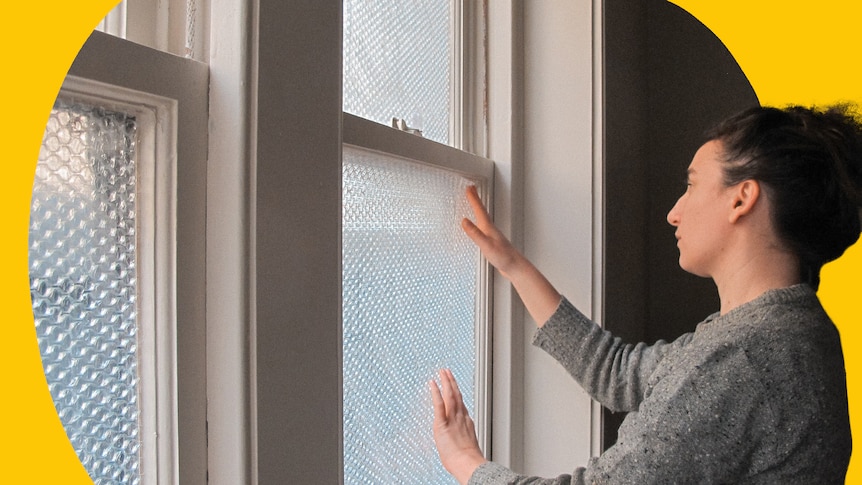
PermaNews Brief
Key Takeaways
Insulating windows and doors is crucial for indoor comfort and energy savings by preventing heat transfer and reducing HVAC workload, leading to lower utility bills.
- Insulation stops heat transfer, saving energy.
- Reduces heating/cooling system effort.
- Eliminates drafts for better comfort.
- Various materials offer different benefits.
- Proactive upgrades prevent issues.
Why It Matters
Properly insulating windows and doors directly translates to significant savings on energy bills and a more comfortable home environment throughout the year.
What to Do Next
Inspect your windows and doors for drafts using an incense stick or your hand, noting any areas where air is leaking.
Recommended for: Homeowners, renters, and anyone looking to make their living space more energy-efficient and comfortable without extensive renovations.
Effective insulation in windows and doors plays a crucial role in maintaining a comfortable indoor environment and reducing energy consumption, ultimately leading to financial savings. While often overlooked during initial home construction or renovation, addressing these aspects proactively can prevent significant problems down the line.
The primary function of insulation in these areas is to minimize heat transfer between the interior and exterior of a building. During colder months, well-insulated windows and doors prevent warm air from escaping and cold air from infiltrating. Conversely, in warmer periods, they help keep hot air out and cool air in. This regulation of indoor temperature reduces the workload on heating and cooling systems, such as furnaces, air conditioners, and heat pumps. When these systems operate less frequently or at lower intensities, they consume less energy, which directly translates to lower utility bills.
Beyond energy efficiency, proper insulation contributes to enhanced indoor comfort. Drafts near windows and doors are a common complaint in homes with poor insulation. These drafts can create uncomfortable cold spots, forcing residents to increase thermostat settings to compensate, further escalating energy use. By eliminating these drafts, insulation creates a more uniform and pleasant temperature throughout the living space.
The type and quality of insulation in windows and doors can vary significantly. For windows, options range from single-pane glass to double or triple-pane units with inert gas fills (like argon or krypton) between the panes. Low-emissivity (Low-E) coatings are also frequently applied to glass to reflect radiant heat, further improving thermal performance. The frames themselves also contribute to insulation; materials like vinyl, fiberglass, and wood generally offer better insulating properties than aluminum. For doors, the core material, weatherstripping, and the fit within the frame are all critical. Solid core doors, especially those with an insulating foam core, provide superior thermal resistance compared to hollow core doors. Weatherstripping around the perimeter of both windows and doors seals gaps, preventing air leakage.
Investing in high-quality, well-installed insulated windows and doors can have a substantial return on investment. While the initial cost might be higher than less efficient alternatives, the long-term savings on energy bills often outweigh this expense. Furthermore, improved insulation can increase a home's overall value and appeal, making it a more attractive prospect for potential buyers.
Homeowners have various options to consider when upgrading or installing new windows and doors, catering to different budgets and aesthetic preferences. It is advisable to research different materials, R-values (a measure of thermal resistance), and installation techniques to make informed decisions that align with individual needs and financial constraints. Prioritizing insulation in these critical areas is a foundational step towards creating a more energy-efficient, comfortable, and cost-effective home environment.
Source: urbanfarmonline.com
Related Analysis
- Off-Grid Builders Test Rocket Mass Heaters at -35°F — Early 2024 data from high-altitude and sub-zero builds indicate rocket mass heaters sustaining livable temperatures with…
- Homeowners Retrofit Properties with Renewable Energy Solutions — Renewable energy retrofitting gains traction as regenerative agriculture principles inform home upgrades. Experts point …
Related on PermaNews
- Passive House Case Studies: Sustainable Design Warriors 2 (Video)
- Passive House Network: Sunflower Sanctuary, Louisville, CO (Case Study)
- Efficient Earth-Sheltered Homes (How-To Guide)
- Extreme Cold: Heating Your Home at -100°F During a Storm (Video)
- Boost Aussie Home Efficiency: Thermal Mass Design Rules (How-To Guide)
- First Passive House Design: 10 Steps for Success (PHPP) (How-To Guide)
Explore more in Shelter, Energy & Infrastructure — the full hub for this knowledge area.