Sky Nursery: Seed Saving for Sustainable Gardens
TL;DR: Saving seeds from your garden promotes self-reliance, preserves varieties, and adapts plants to your local environment.
- Collect seeds from open-pollinated or heirloom plants.
- Start with easy annuals like peas, beans, or lettuce.
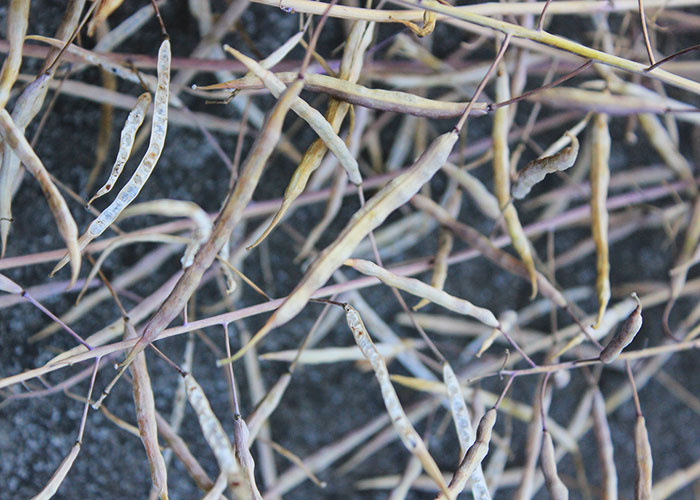
- Dry seeds on plants; clean and store properly.
- Ferment wet seeds from fruits like tomatoes.
- Store seeds in cool, dry, dark, airtight conditions.
- Isolate plants to prevent unwanted cross-pollination.
Why it matters: Saving your own seeds reduces gardening costs and helps maintain biodiversity by protecting unique plant varieties.
Do this next: Identify which of your current garden plants are open-pollinated or heirloom varieties suitable for seed saving.
Recommended for: Home gardeners interested in self-sufficiency, biodiversity, and developing locally adapted plant varieties.
Sky Nursery's Seed Saving Basics introduces collecting seeds from garden plants for replanting, emphasizing open-pollinated or heirloom varieties over hybrids, clarifying that hybridization is natural cross-breeding, not GMO engineering. Annuals are ideal starters as they produce abundant seeds in one season, unlike biennials or perennials. Dry seeds from peas, beans, lettuce, bachelor's buttons, and calendula dry on plants until brown, then are removed from pods/heads and stored in labeled envelopes or jars. For wet seeds in fruits like tomatoes or peppers, scoop out, ferment in water to kill pathogens and dissolve gel, rinse, dry, and store. Biennials like carrots are overwintered, replanted to flower, then seeds harvested from dried umbels by hanging upside down in a dry, drafty space. Storage prioritizes cool, dry, dark conditions using airtight containers, optionally with rice or silica packets against moisture. Viability lasts years if conditions are optimal, with garages or closets ideal. The guide stresses rogueing inferior plants to improve stock, isolation for cross-pollination prevention (e.g., 10-50 feet for beans), and starting with easy crops. Benefits include savings, heirloom preservation, and local adaptation. Practical steps detail harvesting at peak ripeness, cleaning via sieves or fans, and labeling meticulously. Troubleshooting covers mold prevention through thorough drying and fermentation. This resource fits sustainable gardening by promoting self-reliance, reducing waste, and enhancing biodiversity through home-saved seeds suited to regional climates.