Accelerate Growth: Sowing Under Plastic Techniques
By Maritime Gardening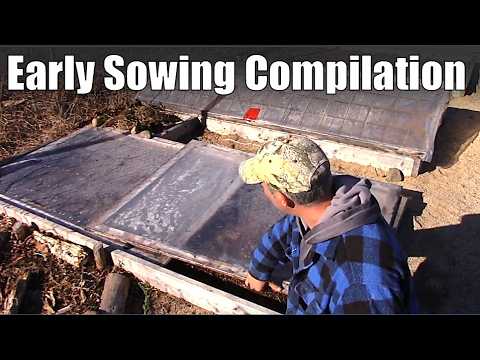
TL;DR: Sowing seeds under plastic creates a microclimate, boosting germination and protecting young plants from harsh weather, thus extending the growing season.
- Plastic covers warm soil, extending the sowing season.
- Protection from wind, rain, and light frosts is vital for seedlings.
- Moisture retention reduces watering needs.
- Prevents early season crop damage.
- Allows earlier harvests for warm-weather plants.
Why it matters: This method offers a simple yet effective way to overcome environmental challenges, ensuring healthier plant starts and potentially increasing harvest yields for various crops.
Do this next: Consider starting warm-weather crops like tomatoes or peppers under plastic covers this season to get a head start.
Recommended for: Gardeners, especially those in cooler climates, looking to extend their growing season, protect young plants, and conserve water.
The practice of sowing seeds under plastic covers offers a significant advantage to gardeners, particularly those in regions with shorter growing seasons or unpredictable weather patterns. This method essentially creates a microclimate, accelerating germination and seedling development by providing warmth and protection from environmental stressors.
One of the primary benefits of using plastic covers, such as row covers, cloches, or even repurposed plastic containers, is the elevation of soil temperature. Sunlight penetrates the plastic, warming the soil beneath, which is crucial for the germination of many plant species that require specific temperature ranges to sprout. This allows gardeners to start seeds earlier in the season than would otherwise be possible outdoors, extending the effective growing period. For instance, crops like tomatoes, peppers, and melons, which thrive in warmer conditions, can be given a head start, leading to earlier harvests.
Beyond temperature regulation, plastic covers offer vital protection against adverse weather. Young seedlings are particularly vulnerable to strong winds, heavy rain, and hail, all of which can cause physical damage or even wash away newly planted seeds. The physical barrier of the plastic shields these delicate plants, ensuring their survival and healthy development. This protection also extends to light frosts. While plastic covers may not offer complete insulation against severe freezes, they can provide enough warmth to protect seedlings from minor temperature drops that would otherwise be detrimental.
Another advantage is moisture retention. The plastic cover reduces evaporation from the soil surface, meaning less frequent watering is required. This is beneficial for seed germination, as consistent moisture is critical, and also conserves water resources. However, it's important to manage this aspect carefully to prevent excessive humidity, which can lead to fungal diseases. Adequate ventilation, such as lifting the covers during the warmest part of the day or using perforated plastic, can mitigate this risk.
The use of plastic covers also acts as a physical barrier against pests. Many common garden pests, such as aphids, cabbage worms, and flea beetles, can be deterred from reaching young plants by the presence of a physical cover. This reduces the need for chemical pesticides, aligning with organic and permaculture principles. However, it's crucial to ensure that the covers are sealed effectively to prevent pests from finding their way underneath.
Different types of plastic covers offer varying degrees of protection and functionality. Clear plastic allows maximum light penetration and heat absorption, making it ideal for early season warming. Opaque or colored plastics might be used for specific purposes, such as weed suppression or to reduce heat intensity in very sunny climates. Reusable options like plastic milk jugs or soda bottles, with their bottoms cut off, can serve as individual cloches for single plants, offering a cost-effective and sustainable solution. Larger structures, like low tunnels made with hoops and plastic sheeting, can cover entire rows, providing protection for a greater number of plants.
While the benefits are numerous, successful implementation requires attention to detail. Proper anchoring of covers is essential to prevent them from being blown away by wind. Monitoring temperature and humidity levels is also critical; on very sunny days, temperatures under plastic can soar, potentially cooking the plants. Venting is therefore a key practice to prevent overheating. As plants grow, they may outgrow their covers, necessitating removal or adjustment.
In summary, sowing under plastic is a versatile and effective technique for gardeners aiming to optimize their growing conditions. It facilitates earlier planting, protects against weather and pests, and aids in moisture management, ultimately contributing to healthier plants and more bountiful harvests, especially in challenging climates.