Sweet Potato Experiment: 3 Grow Methods, Results Revealed
By Epic Gardening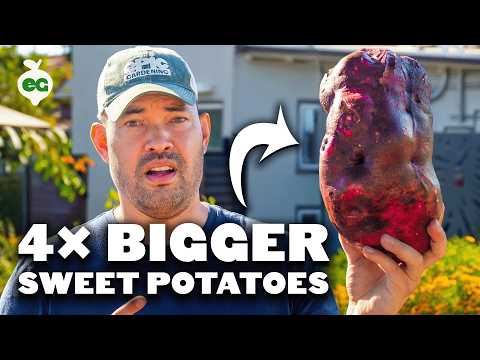
TL;DR: Sweet potato growing experiments show distinct results for soil mounds, raised beds, and straw bales.
- Traditional mounds offer good drainage for tuber expansion.
- Compost-filled raised beds improve soil and access.
- Straw bales provide weed suppression and rich medium.
- Each method has pros and cons for home gardeners.
- Yield and ease of cultivation vary significantly by method.
Why it matters: Understanding diverse cultivation methods optimizes sweet potato yields and simplifies gardening efforts.
Do this next: Consider how your current garden setup aligns with the described methods.
Recommended for: Home gardeners looking to improve their sweet potato cultivation techniques through comparative analysis.
The article details an experimental comparison of three distinct methods for cultivating sweet potatoes, aiming to identify the most effective approach for home gardeners. The experiment involved planting sweet potato slips using conventional soil mounds, a raised bed filled with compost, and a straw bale. The primary goal was to assess yield, ease of cultivation, and overall plant health across these different growing environments.
The first method involved traditional soil mounds. This technique typically entails creating elevated mounds of soil, approximately 8-12 inches high and 18-24 inches wide, spaced several feet apart. Slips are then planted into these mounds. The rationale behind mounding is to provide loose, well-drained soil that sweet potato tubers can easily expand into, preventing compaction and promoting good aeration. In this experiment, the soil mounds were prepared with a mix of garden soil and compost. Throughout the growing season, these plants received regular watering and occasional fertilization.
The second method utilized a raised bed filled predominantly with compost. Raised beds offer several advantages, including improved drainage, better soil structure, and easier access for planting and harvesting. For sweet potatoes, a deep raised bed filled with nutrient-rich compost is expected to provide an ideal environment for tuber development. The compost-filled raised bed in this trial was prepared by layering various organic materials, ensuring a loose and fertile medium. The slips planted in this bed were also consistently watered and monitored for growth.
The third and most unconventional method involved growing sweet potatoes in a straw bale. Straw bale gardening is a technique where plants are grown directly in conditioned straw bales, which decompose over time to create a nutrient-rich growing medium. This method is often favored for its weed-suppressing qualities, improved drainage, and the ability to garden in areas with poor native soil. To prepare the straw bale, it was "conditioned" over several weeks by applying nitrogen-rich fertilizers and water to initiate decomposition, creating a suitable environment for planting. Sweet potato slips were then inserted into the top of the conditioned bale.
Throughout the growing season, observations were made regarding plant vigor, foliage development, and any signs of pests or diseases. All three groups of sweet potato plants exhibited healthy growth above ground, producing abundant vines and leaves. However, the true test came at harvest time, which typically occurs before the first frost, when the tubers have reached a desirable size.
Upon harvesting, the results revealed significant differences in yield and ease of retrieval. The sweet potatoes grown in the traditional soil mounds produced a respectable harvest. The tubers were generally well-formed and of good size, consistent with expectations for this method. However, digging them out required a fair amount of effort, and some tubers were inevitably damaged during the excavation process due to the soil's density.
The raised bed filled with compost yielded a more abundant harvest. The tubers from this bed were notably larger and more uniformly shaped. The loose, friable nature of the compost made harvesting considerably easier, with minimal effort required to extract the sweet potatoes, and very few tubers were damaged. This method demonstrated a clear advantage in both quantity and quality of the yield, as well as the convenience of harvesting.
The straw bale method, while innovative, presented some challenges and a lower yield compared to the other two. While the plants grew well initially, the tubers that developed within the straw bale were generally smaller and less numerous. Harvesting from the straw bale was relatively easy, as the decomposing straw could be easily pulled apart. However, the overall productivity was not as high as with the soil mounds or the raised bed. It was hypothesized that the straw bale might not have provided the same consistent nutrient supply or stable growing environment as the soil or compost, or perhaps the conditioning process was not optimal for sweet potato development.
In conclusion, the experiment indicated that while all three methods could successfully grow sweet potatoes, the raised bed filled with compost proved to be the most effective, offering the highest yield of quality tubers with the least effort during harvest.