Garden Smarter: 5 Water-Saving Techniques
PermaNews Brief
Key Takeaways
Implement strategic watering, mulching, and plant selection to significantly reduce water use in your garden.
- Water at optimal times to minimize evaporation and maximize absorption.
- Apply organic mulch deeply to conserve soil moisture and suppress weeds.
- Utilize drip irrigation for precise, efficient water delivery to plant roots.
- Choose drought-tolerant and native plants to reduce watering needs.
- Group plants by water requirements to optimize irrigation efforts.
Why It Matters
Efficient water use in gardening reduces resource consumption, promotes healthier plants, and contributes to urban resilience and lower utility bills.
What to Do Next
Assess your current watering schedule and adjust it to early morning or late evening for better absorption.
Recommended for: Home gardeners, community garden participants, and urban dwellers looking to cultivate a water-efficient and thriving garden.
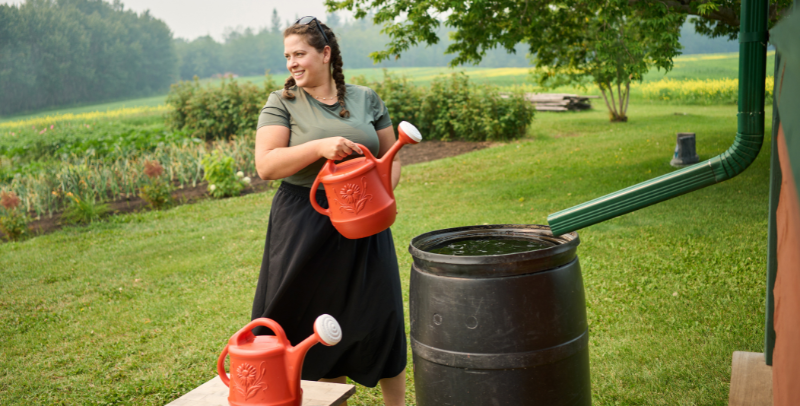
This article outlines five practical techniques for conserving water in gardening, emphasizing methods that reduce evaporation and target water delivery directly to plant roots. Key strategies include watering early in the morning or late in the evening when evaporation rates are lowest, allowing plants to absorb moisture before peak heat. Mulching is highlighted as a moisture-saving essential: applying a 2-3 inch layer of organic mulch around plants suppresses weeds, regulates soil temperature, prevents crusting, and significantly cuts evaporation losses, mimicking natural forest floor conditions for better soil moisture retention. The piece strongly advocates drip irrigation or soaker hoses over sprinklers; these systems deliver water slowly and precisely to the root zone, minimizing waste from wind, evaporation, or runoff. Setup is straightforward—connect to a hose or rain barrel, lay along garden beds—and can reduce water use by up to 50% compared to overhead methods. Selecting drought-tolerant or native plants is another core tip, as these require less supplemental watering once established, aligning with regenerative principles by working with local ecosystems. Additional insights cover grouping plants by water needs (hydrozoning) to avoid over- or under-watering zones. Practical details include checking sprinkler positions seasonally to prevent street runoff and using rain barrels for harvested water. These no-till friendly approaches enhance soil health without disturbance, promote deeper roots through infrequent deep watering, and support urban resilience by lowering bills and resource demands. Real-world applicability is stressed for home gardens, with benefits like healthier plants and less maintenance time. The methods collectively mimic natural water cycles, improving infiltration and retention for regenerative urban setups.
Source: absopure.com
Related Analysis
- Water-Scarce States Split Supplies Between Farms and Data Centers — Early signals suggest data center water demands are colliding with farm irrigation rights in water-stressed areas, raisi…
- Off-Grid Homesteaders Turn to Boreholes Over Surface Water — Early field accounts from off-grid homesteaders suggest drilled wells are emerging as a core drought-resilience tool, no…
Related on PermaNews
- Berlins schwimmende Gärten: Permakultur auf dem Wasser (Case Study)
- Finca Bellavista: Costa Rica's 200-Acre Water System Innovation (Case Study)
- Priya's 2024 India Report: 10-Hectare Water Harvesting Success (Case Study)
- Holmgren's 40 Yrs: Abundant Permaculture Design Webinar 3 (Video)
- Water Cycle Restoration Research: Indigenous Wisdom Meets Permaculture (Article)
- Soil Strategies for Transitioning to Small Scale Organic Regenerative Ag (Event)
Explore more in Water, Climate & Adaptation — the full hub for this knowledge area.