FDA Halts Asbestos-in-Talc Cosmetic Test Rule Withdrawal
PermaNews Brief
Key Takeaways
The FDA has retracted a proposed rule for asbestos testing in talc-based cosmetics, despite a 2022 mandate to create such a regulation.
- FDA withdraws proposed asbestos testing rule for talc-based cosmetics.
- Modernization of Cosmetics Regulation Act of 2022 mandated this rule.
- Talc can be contaminated with asbestos, a known carcinogen.
- Withdrawal implies continued lack of standardized testing protocols.
- Consumers currently lack federal assurance for talc product safety.
Why It Matters
This decision leaves consumers vulnerable to potential carcinogen exposure in everyday cosmetic products due to a lack of mandated safety standards.
What to Do Next
Check your cosmetic products for talc in the ingredients list and consider alternative products.
Recommended for: Consumers and advocates interested in cosmetic product safety and regulatory oversight.
The Food and Drug Administration (FDA) recently announced its decision to retract a proposed regulation concerning the methodologies for detecting asbestos, a known carcinogen, in cosmetic products that contain talc. This withdrawal comes despite a legislative mandate from the Modernization of Cosmetics Regulation Act of 2022, which specifically tasked the FDA with developing such a rule.
The background to this situation involves a prior administration's action. The Trump administration had previously opted to discontinue efforts related to establishing these testing protocols. This historical context sheds light on the current FDA decision, suggesting a continuation or re-emergence of a stance against implementing standardized asbestos testing for talc-based cosmetics.
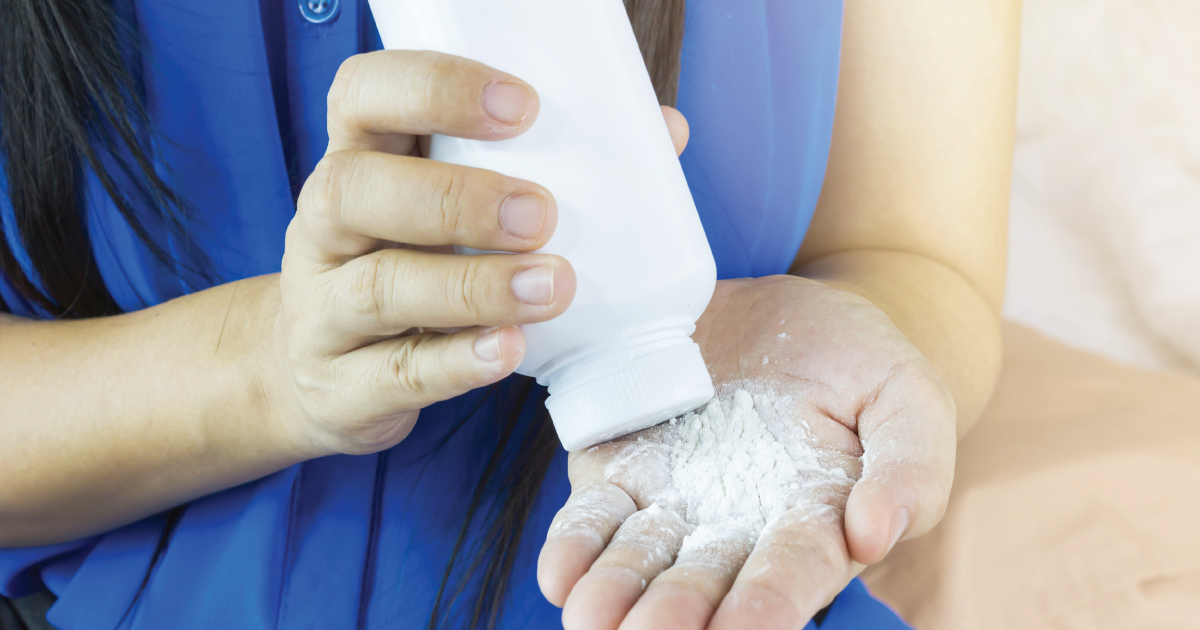
The core issue revolves around the potential presence of asbestos in talc. Talc, a naturally occurring mineral, is often found in close proximity to asbestos deposits. Consequently, talc mined for cosmetic use can sometimes be contaminated with asbestos fibers. When these contaminated products are used, particularly in ways that can lead to inhalation (like powders), there is a risk of exposure to asbestos, which is unequivocally linked to various cancers, including mesothelioma and lung cancer.
The Modernization of Cosmetics Regulation Act of 2022 was a significant piece of legislation aimed at enhancing the safety oversight of cosmetic products in the United States. One of its key provisions was to empower the FDA to establish clear, scientifically sound methods for identifying and quantifying asbestos in talc-containing cosmetics. The intent behind this provision was to provide a uniform standard for manufacturers to adhere to, ensuring product safety and consumer protection. It would have also offered consumers greater assurance regarding the safety of products they use daily.
The FDA's withdrawal of this proposed rule means that, for now, there will be no federally mandated, standardized testing methods for asbestos in talc-based cosmetics. This leaves the responsibility for testing and ensuring the absence of asbestos largely to individual manufacturers, who may employ a variety of testing protocols, or none at all, depending on their internal policies and perceived risks. This lack of a universal standard could lead to inconsistencies in product safety across the industry.
Consumer advocacy groups and public health organizations have long pushed for stricter regulations and mandatory testing for asbestos in cosmetics. They argue that without a clear regulatory framework and standardized testing methods, consumers remain vulnerable to potential exposure to a dangerous carcinogen. The absence of such a rule could also complicate efforts to recall contaminated products, as there would be no universally accepted benchmark to determine what constitutes a "contaminated" product in a regulatory sense.
The decision by the FDA to withdraw this rule has implications for both the cosmetic industry and consumers. For manufacturers, it means continued flexibility in their testing practices, but also potential uncertainty if future administrations or legislative bodies decide to revisit the issue with different requirements. For consumers, it means a continued reliance on manufacturers' voluntary safety measures and potentially less transparency regarding the presence of asbestos in their cosmetic products. The long-term impact of this decision on public health and consumer confidence in the safety of cosmetic products remains to be seen.
Source: organicconsumers.org
Related Analysis
- Food Forest Courses Shift From Theory to Build-Ready Skills — Several food forest courses now open with site assessment and guild-building rather than design theory, suggesting a dev…
- Practitioners Build Silvopasture Playbook Before Researchers Catch Up — A small but consistent set of signals from the Northeast U.S. shows farmers actively piloting silvopasture while formal …
Related on PermaNews
- Building Resilient Soils: Planning & Resources for Extreme Weather Events (Event)
- Rodale Institute's 50-Year Regenerative Organic Journey (Article)
- Rodale FST: 40+ Years of Organic vs. Conventional Farming (Case Study)
- Seed Saving: A Revolutionary Act for Biodiversity & Food (Article)
- Biodynamic Preparation Workshop with Vincent Masson: 17th September (12:00 pm) to September 18th (6:00 pm) 2026, Emerson College, East Sussex (Event)
- Pest Management for Organic Farming Systems in Florida (Event)
Explore more in Food Systems & Growing — the full hub for this knowledge area.