Fertilizer Fundamentals: Market Options for Healthy Plant Growth
By Ricardo Orlando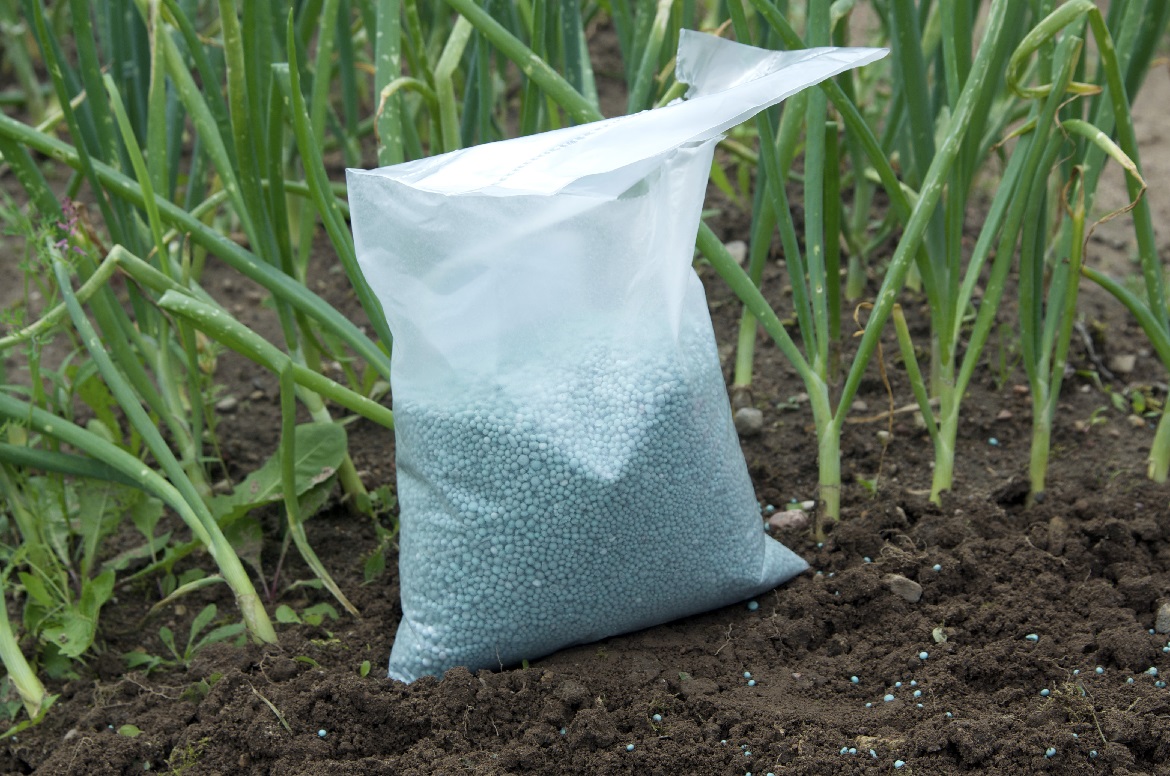
TL;DR: Understanding fertilizer types is key to healthy plant growth, with organic options building soil health and synthetic options providing quick nutrient boosts.
- Organic fertilizers improve soil structure and microbial life, releasing nutrients slowly.
- Inorganic fertilizers offer rapid nutrient availability but require careful application.
- N-P-K ratio indicates the percentage of nitrogen, phosphorus, and potassium.
- Choosing the right fertilizer depends on plant needs and soil conditions.
- Consistent nutrient supply prevents soil depletion and supports plant development.
Why it matters: Fertilizers are vital for replenishing soil nutrients, ensuring healthy plant growth, and improving soil characteristics like water retention, directly impacting agricultural productivity and ecosystem health.
Do this next: Test your soil to determine its current nutrient levels before applying any fertilizers.
Recommended for: Gardeners and growers looking to make informed decisions about plant nutrition and soil health, from small balconies to large land plots.
Plants, like all living organisms, require a consistent supply of nutrients to facilitate healthy growth and development. These essential elements are typically absorbed from the soil through their root systems. Fertilizers play a crucial role in replenishing these nutrients, particularly the primary macronutrients: nitrogen, phosphorus, and potassium, alongside vital micronutrients. Without regular replenishment, the soil's capacity to support plant life diminishes with each harvest. Beyond nutrient provision, fertilizers also contribute to improving the soil's water retention capabilities.
Fertilizers are broadly categorized into organic and inorganic types, each with distinct characteristics and applications. Organic fertilizers are derived from natural sources, such as animal manure, compost, bone meal, and blood meal. These materials decompose gradually, releasing nutrients into the soil over an extended period. This slow-release mechanism minimizes the risk of nutrient leaching and provides a steady supply of nourishment for plants. Organic fertilizers also contribute to improving soil structure, enhancing microbial activity, and increasing water-holding capacity, fostering a healthier soil ecosystem. However, their nutrient content can be less precise and their effects may take longer to become apparent compared to synthetic options.
Inorganic, or synthetic, fertilizers are manufactured through chemical processes and typically contain concentrated forms of specific nutrients. These are often categorized by their N-P-K ratio, indicating the percentage of nitrogen, phosphorus, and potassium by weight. For example, a 10-10-10 fertilizer contains 10% of each primary nutrient. Inorganic fertilizers offer rapid nutrient availability, allowing for quick adjustments to plant deficiencies. They are also highly soluble, making them easy to apply and absorb. However, their concentrated nature can lead to over-fertilization if not applied carefully, potentially harming plants and contributing to environmental issues like nutrient runoff into waterways.
Within these broad categories, various specialized fertilizers exist to address specific plant needs or soil conditions. For instance, slow-release fertilizers, whether organic or inorganic, are designed to release nutrients gradually over time, reducing the frequency of application and minimizing nutrient loss. Liquid fertilizers offer immediate nutrient uptake, making them ideal for addressing acute deficiencies or for foliar feeding, where nutrients are absorbed directly through the leaves. Granular fertilizers are solid forms that are spread over the soil surface and then watered in, providing a sustained release of nutrients.
Further distinctions can be made based on the primary nutrient they provide. Nitrogen-rich fertilizers promote lush, green foliage growth, making them suitable for leafy vegetables and lawns. Phosphorus-rich fertilizers encourage root development, flowering, and fruiting, beneficial for root crops and blooming plants. Potassium-rich fertilizers enhance overall plant vigor, disease resistance, and fruit quality. Micronutrient fertilizers, containing elements like iron, zinc, manganese, and boron, are crucial for various metabolic processes in plants, even though they are required in smaller quantities.
The choice of fertilizer depends on several factors, including the specific plant type, soil test results, desired growth outcomes, and environmental considerations. Understanding the different types of fertilizers and their respective benefits and drawbacks is essential for effective plant nutrition and sustainable agricultural practices.