Mike Farnsworth's Home Garden: Regenerative Methods for Urban Resilience
By Mike Farnsworth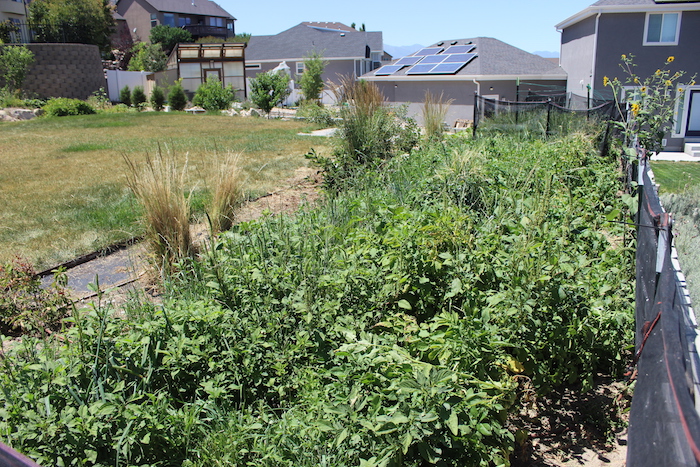
TL;DR: Home gardeners can apply regenerative agriculture by focusing on soil health, biodiversity, and integrated systems to increase resilience and self-sufficiency.
- Implement no-till practices to preserve soil structure.
- Eliminate synthetic fertilizers for natural nutrient cycling.
- Maintain year-round roots with diverse cover crops.
- Utilize heavy mulching for soil armor and biology.
- Integrate small livestock for nutrient and pest management.
- Maximize plant diversity to prevent monoculture issues.
Why it matters: Adopting regenerative practices in home gardens improves soil fertility, enhances biodiversity, and boosts food production using fewer external inputs, fostering long-term ecological balance and food security.
Do this next: Start a no-till bed by layering organic materials and planting cover crops or diverse edibles.
Recommended for: Gardeners looking to transition to regenerative practices and build resilient, productive home or urban food systems.
Gardener Mike Farnsworth details applying regenerative agriculture principles to a home garden, adaptable to urban settings for resilience and self-sufficiency. Core practices: no-till to preserve soil structure; eliminate chemical fertilizers; maintain year-round roots with cover crops; 'armor' soil by cutting and leaving cover crops in place; maximize plant diversity; integrate livestock like chickens for trampling, manuring, and mowing via high-density grazing. He reshaped beds into one 6x70-foot plot to minimize disturbance, spreading chicken deep bedding with semi-composted manure and cover crop seed, raking lightly. This builds organic matter, supports microbes, and enables flexible crop rotation without fixed bed constraints. For urban gardeners, scale down with container chickens or compost systems. Emphasis on diversity prevents monoculture pitfalls like nutrient depletion and pests. Practical steps include heavy mulch layers from weeds, brewery barley, and carbon-nitrogen materials to feed soil biology constantly. Results in nutrient-dense yields with minimal inputs, fostering permaculture-like systems. Integrates mob grazing analogs for small plots, enhancing biodiversity and soil regeneration. Ideal for high-density urban plots, promoting self-sufficiency through closed-loop systems where waste becomes fertilizer, building resilience against supply disruptions.